Skip to content


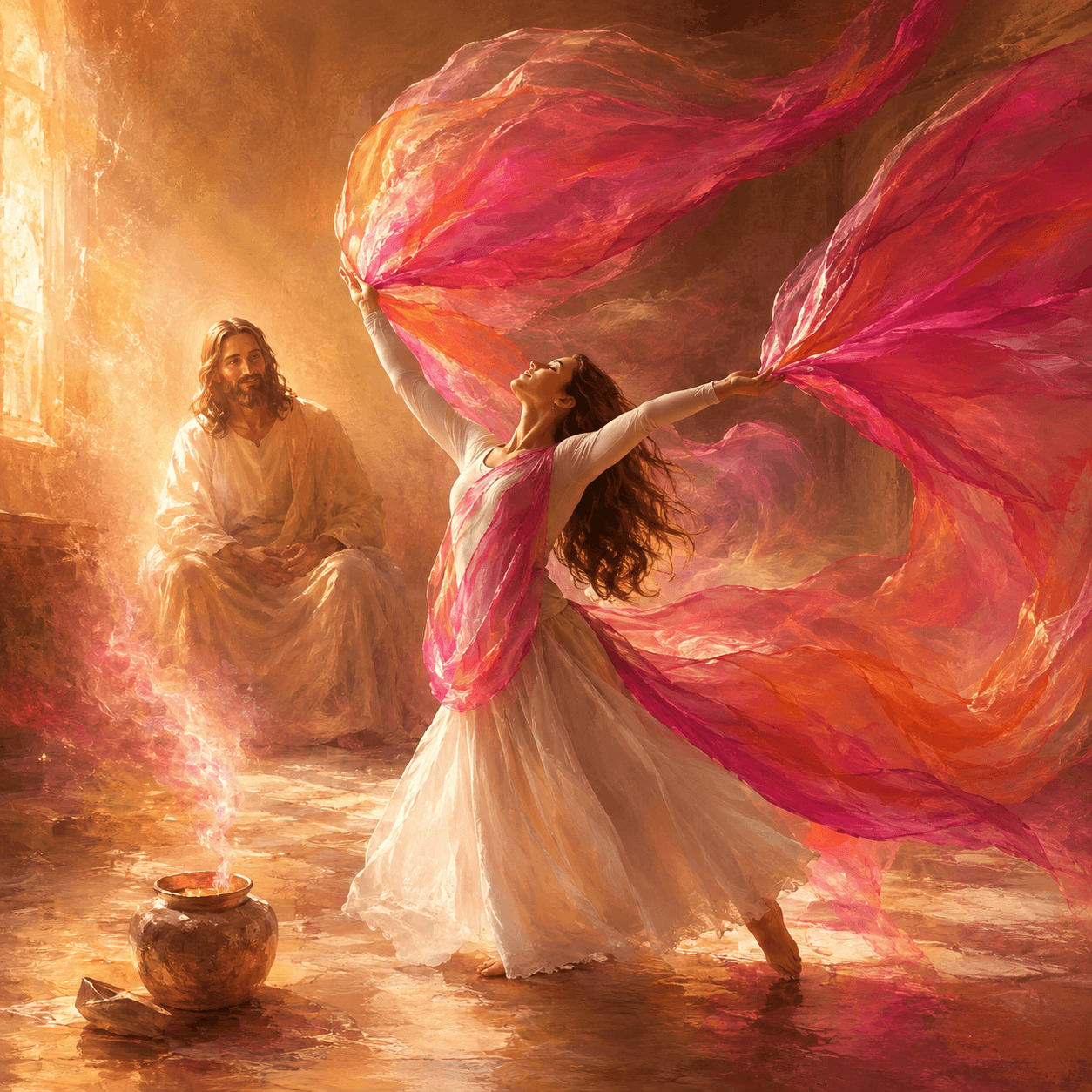
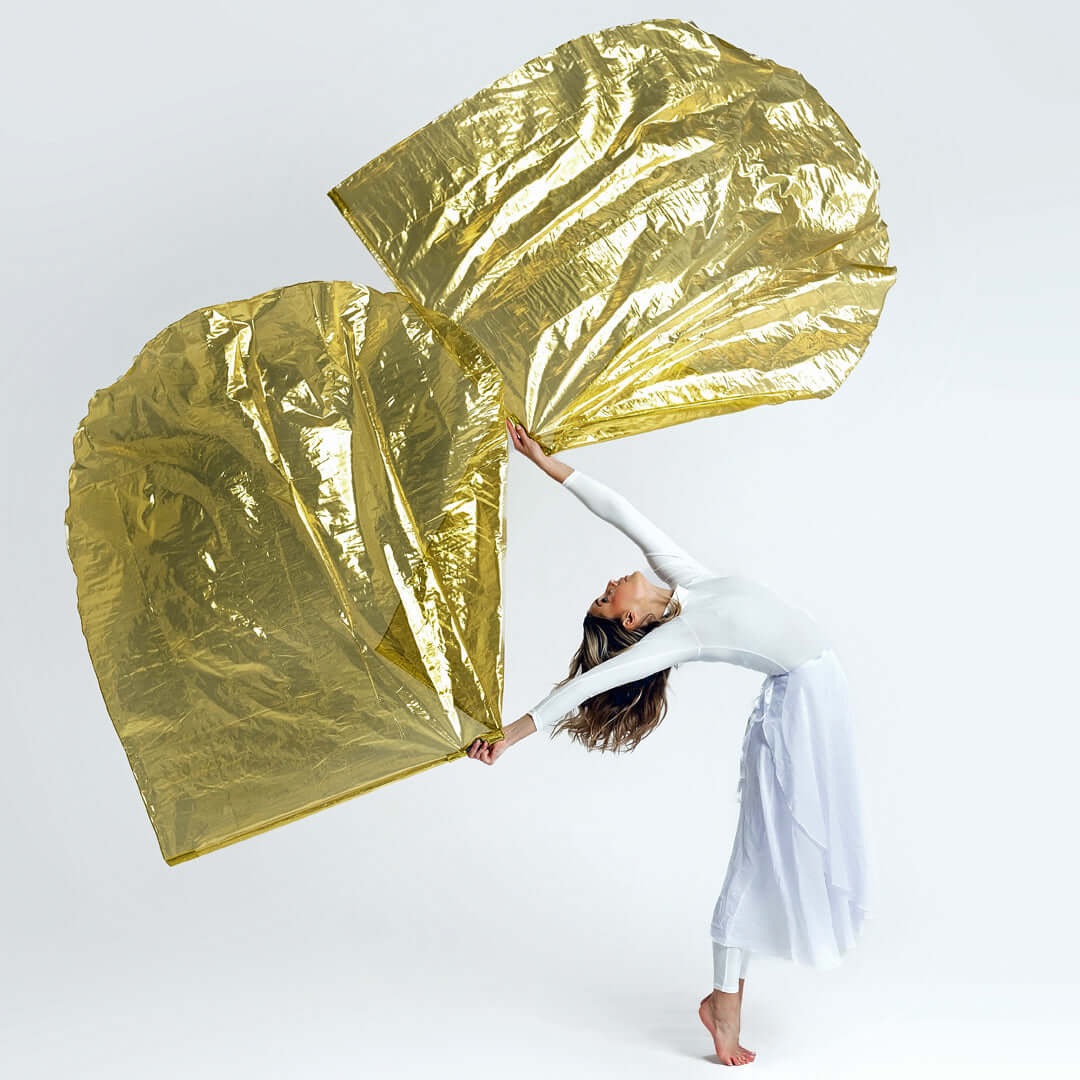
A worship flag does not blend into the background, so it's easy to think that worship flags are all about performace. It's large, it moves through open space, and it catches every eye in the room within seconds.
The visibility of worship flags is why the question keeps surfacing, in worship team meetings and pastor's offices alike: are worship flags performance, or are they worship?
Catch the Fire Worship Flags first addressed this in a short video FAQ on YouTube and Instagram, and the question hasn't gone away since. It touches a persistent objection, the fear of drawing eyes toward yourself instead of toward God.
Scripture has quite a bit to say about visibility, motive, and the difference between the two.
- The Real Question Behind "Performance"
- Worship Flags Are Meant to Be Seen
- The Heart of the Worshipper
- Worship in the Bible Was Rarely Private
- Leading Worship vs. Personal Worship
- Guarding Against Pride Without Hiding Your Worship
- An Audience of One, Even in a Crowd
- Frequently Asked Questions
Before diving in, if you're still working out whether any of this holds up biblically in the first place, the free Are Worship Flags Biblical? guide walks through the full case.
The Real Question Behind "Performance"
Performance, in the way most people mean it, is doing something so other people notice and approve. Worship is doing something because God is worthy of it, whether anyone else is in the room or not.
A worship flag can serve either purpose. The fabric and the motion stay the same either way; the difference sits entirely underneath the surface.
The same question applies to a soloist with a strong voice, a preacher with commanding presence, or a musician who plays with real skill. Visibility is not the same as vanity.
A flagging minister can lift a flag in full view of a congregation and never once think about how they look, while someone standing perfectly still stays consumed with self-image the entire time.
Flags are not the first visible worship tool the Church has wrestled with. Raised hands, robed choirs, processional walks, and even architecture like stained glass have each drawn the same question in their own era: does this point toward God, or toward the person doing it?
The tool changes across centuries. The question underneath stays remarkably consistent.
Worship Flags Are Meant to Be Seen
Throughout Scripture, banners and signals were never meant to hide. God tells His people to
lift up a signal over the peoples ~Isaiah 62:10
A banner no one could see would fail at the one job a banner has: to gather, direct, and rally God's people toward Him.
A worship flag works the same way in a modern service. It isn't competing with the sermon or the sound system for attention; it's pointing the room somewhere, usually toward surrender, warfare, or celebration, depending on the color and the moment. Being seen is the function, not the flaw.
None of this means visibility is automatically safe. It just means visibility isn't automatically wrong either. The question was never whether a flag can be seen; it can, by design. The real question is what's happening in the worshipper holding it.
The Heart of the Worshipper
Jesus addressed this directly when He warned against practicing righteousness to be admired, calling out those who prayed loudly on street corners for the applause of onlookers (Matthew 6:5). His concern was never the volume or the location. It was the motive underneath both.
The same test applies to a worship flag. Does the flagging minister need the room to notice, or would they lift the same flag alone with the door closed? Genuine worship survives the empty room test. Performance rarely does.
A worship leader's appearance, a musician's skill, a dancer's grace, all of these can become about the person instead of about God. Worship flags aren't a special risk category; they're simply visible, so the risk shows more plainly. The heart issue was always there. The flag just makes it harder to hide.
The enemy benefits either way this plays out. Pride distracts a worshipper into perfecting an image instead of surrendering a heart. False humility distracts a different worshipper into hiding a genuine offering God intended to be seen. Both keep worship centered on self, just from opposite directions, and both are worth resisting.
Worship in the Bible Was Rarely Private
Miriam took a tambourine after Israel crossed the Red Sea, and the women followed her, dancing and lifting tambourines in full view of the entire camp (Exodus 15:20). No one asked her to step back and worship quietly where fewer people could see.
David danced before the LORD with all his might ~2 Samuel 6:14
David did this in front of the whole procession bringing the ark into Jerusalem. His wife Michal watched from a window and despised him for it in her heart, convinced he had humiliated himself in front of the nation's servants. David's answer wasn't to shrink back. He told her he would celebrate before the LORD and go further still in humbling himself for God's sake, no matter who was watching (2 Samuel 6:20-22).
Heaven's own worship isn't quiet or hidden either. A great multitude stands before the throne, holding palm branches, visible to every angel and elder present (Revelation 7:9). If visible, physical worship troubled God, heaven would be the strangest possible place to find it fully on display.
Michal's objection sounds a lot like the modern one: this looks too showy, too physical, too visible for people used to a quieter kind of reverence. David's response still stands.
The measure of worship was never how contained it looked to observers. Two related posts unpack this from other angles: one asks whether visible worship conflicts with a regulative view of church practice, and another looks at whether a worship flag belongs at the front of a room or further back.
Leading Worship vs. Personal Worship
A flagging minister leading from the front of a room has a different function than a worshipper moving with a flag in the aisle or the back row.
Leading worship means standing where the congregation can see and follow, the same reason a worship leader stands at a microphone instead of in the pews. Visibility there is structural. It's part of the role, not a personal bid for attention.
Personal worship with a flag, whether at home, in a small group, or quietly in a corner of a sanctuary, serves a different purpose entirely. Neither one is more spiritual than the other. A worshipper doesn't need a title or a platform to lift a flag before God, and a flagging minister leading from the front isn't automatically compromised by the visibility their role requires.
Guarding Against Pride Without Hiding Your Worship
A few honest questions keep pride from creeping into worship without requiring anyone to set the flag down altogether.
- Would this worship look the same with no one watching?
- Does a compliment about the flag matter more than the moment itself felt?
- Is there resentment when someone else leads instead, or relief when it isn't required?
Building a habit of private worship, alone and unhurried, tends to answer these questions honestly over time. A worshipper who already knows what it feels like to lift a flag with no audience at all brings the same freedom into a full sanctuary. The Getting Started with Worship Flags guide walks through how to start building a private worship practice like this one.
Pride isn't the only distraction worth noting. Some worshippers hold back entirely because they're worried about how they'll look, which is its own way of making worship about self instead of about God. The fear of being watched and the need to be watched come from the same root. Freedom looks like neither.
Conviction here isn't meant to produce shame. If pride surfaces while lifting a flag, that's an invitation to bring it to God honestly and keep worshipping anyway. Setting the flag down permanently rarely fixes a heart issue; it just relocates where the issue shows up next. Growth happens in the worshipping, not in the avoiding.
An Audience of One, Even in a Crowd
The most complete answer to the performance question isn't to worship less visibly. It's to remember who's actually watching. Every worship flag lifted in a service, in a living room, or in a quiet corner of a church, rises before a King who sees the heart before anyone else in the room does.
The Throne Room Collection was created around this posture: worship offered before the One who is genuinely watching, not a crowd that may or may not notice. The Before the Throne worship flag reflects this reminder in the fabric itself: reverence, surrender, and joy in the presence of the King, regardless of who else is standing nearby.
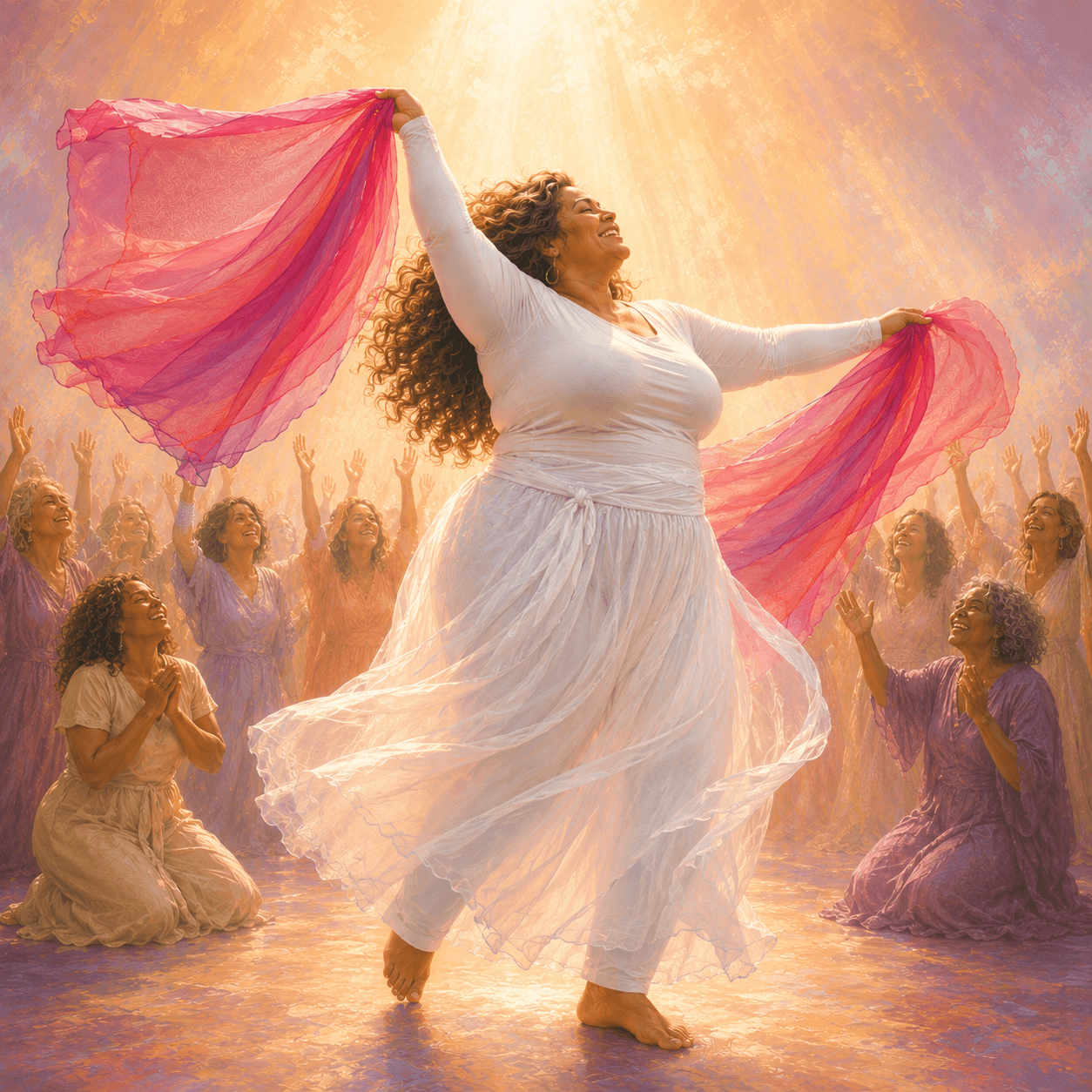
This holds true even at scale. A worship gathering with dozens of flags moving together can look, from the outside, like a spectacle staged for an audience, but from the inside, each flagging minister is still answering the same private question they'd answer alone in a bedroom: is this for God, or for the people watching? A crowd doesn't change the answer. It just makes more people quietly asking it at once.
A worship flag will always be seen. That has been true since fabric was first tied to a pole, and it remains true today. The only real question left is who a worshipper is lifting it for, and the answer has always belonged between a worshipper and God alone.
Frequently Asked Questions
Is it wrong to want people to notice my worship flag?
Wanting to be noticed and needing to be noticed are different things. A desire for excellence in worship isn't automatically prideful. The concern is whether the worship depends on the noticing, not whether noticing happens at all.
Doesn't a large, moving flag draw attention by definition?
Yes, and that's by design. Banners in Scripture were created to be visible signals, not to hide. Visibility is the function of a worship flag, not evidence that the worshipper is showing off.
How do I know if I'm worshipping to be seen or worshipping in freedom?
Ask whether the same worship would happen with no one else in the room. A worshipper who already practices privately, alone with God, usually already knows the answer before finishing the question.
Should I hold back from using a flag if I'm self-conscious?
Self-consciousness and pride are opposite problems with the same root: both make worship about the self instead of about God. Starting privately, at home or in a small group, builds confidence that transfers naturally into a full sanctuary.
Is leading worship with a flag from the front different from personal worship?
Yes. Leading requires visibility because the congregation needs to see and follow, similar to a worship leader at a microphone. Personal worship in the pew or the aisle serves a different purpose and has no such requirement, and neither position is more spiritual than the other.
What if my pastor or church leadership sees worship flags as just for show?
That conversation goes better with Scripture in hand rather than personal conviction alone. Our guide on what to say to a pastor who doesn't understand worship flags walks through how to open that conversation with honor and preparation, including offering to worship discreetly at first if that helps leadership feel at ease.
Catch the Fire Worship Flags is a global pioneer in prophetic flag worship, empowering flagging ministers around the world with handcrafted flags, biblical teaching, and Spirit-led tools for personal worship. Founded in 2011, we remain the original online resource for worship flags that shift atmospheres and deepen intimacy with God. We offer a wide selection of handcrafted worship dance flags for those who are called to flag... whether through prophetic movement, personal worship, or dance ministry. Our premium collection includes sheer, shimmer, metallic, and multi-layer flags designed for church services, street ministry, stage choreography, and dance performance. If you feel called to flag and are drawn to worship through movement, you're in the right place.