Skip to content


Extravagant Worship with Flags: What the Alabaster Jar Teaches
What's something you've done for love that didn't make sense to anyone else, but you knew it was right?
When love takes hold of a heart, fear loses its grip. Dignity stops mattering. A person will do things no one expects, just to express what words can't hold.
That's what happened the day a woman walked into a room she wasn't invited to.
Before you read further, grab the free Getting Started with Worship Flags guide, created for anyone who feels a stir but hasn't picked up a flag yet.
The Alabaster Jar: Worship Without Hesitation
She wasn't the kind of woman people welcomed into a room. They knew her name, and they said it with disgust. Familiar, but never respected. Something about Jesus changed all of that for her.
She showed up at Simon the Pharisee's house uninvited, walking into a dinner she had no place attending. Love pulled her past the threshold. Past her own shame, and past the judgment waiting on the other side of the door.
In her hands, she carried an alabaster jar full of rare, costly perfume, worth a year's wages by some estimates. She didn't measure it out. She didn't calculate a smaller portion and keep the rest back for herself.
She had probably rehearsed a hundred reasons to stay outside. She came in anyway, holding the one thing of value she owned, and set it in front of a room that had already decided who she was.
Unbinding her hair in public compounded the scandal. In that culture, a woman loosened her hair only in private. Doing it in front of a room full of men at a Pharisee's table confirmed every whisper already following her. She did it anyway.
She broke it open.
The fragrance filled the room as she poured it over His feet. Her tears fell with it... raw, unrestrained, beautiful. She wiped His feet with her hair, offering no explanation, no defense... just love, just surrender.
The men at the table looked on with disgust. Jesus looked on with delight.
She has done a beautiful thing to Me. ~Matthew 26:10
He didn't call her reckless. He called her remembered.
Thousands of years later, people still tell her story. Not because she said something clever, or performed some public service, but because she gave something that cost her everything she had. Worship that costs something leaves a legacy that outlives the one who gave it.
What Extravagant Worship Actually Costs
Extravagant worship isn't loud worship. It isn't a performance for an audience. It's the kind of worship that costs the worshipper something real: time, comfort, reputation, control.
Simon the Pharisee offers Jesus a correct, formal dinner. The woman offers everything she owns. One is careful; the other is costly. Scripture consistently sides with the second.
David makes the same point centuries earlier. He refuses a free threshing floor and insists on paying full price for his offering.
I will not offer burnt offerings to the LORD my God that cost me nothing.
~2 Samuel 24:24
Jesus makes a similar point watching offerings at the temple treasury. Wealthy givers drop in large amounts that cost them nothing they'll miss. Then a widow gives two small coins, everything she has to live on.
She, out of her poverty, put in everything she had, all she had to live on.
~Mark 12:44
The measure God uses isn't the size of the gift. It's what the gift costs the one giving it. Careful worship keeps a portion in reserve, just in case. Extravagant worship doesn't.
Religious performance can look identical to extravagant worship with flags from the outside. Both might include raised hands, tears, or a flag moving through the air. The difference isn't visible; it's the posture underneath it. Performance protects an image; extravagant worship gives it away.
For a worshipper who has spent years being the composed one, the reliable one, the one who holds everything together in a small group, extravagant worship can feel like exposure.
It asks for something unfiltered, in front of other people. That's precisely what made the alabaster jar so costly: not only the price of the perfume, but the loss of control over how she would be perceived.
For many worshippers today, extravagant worship still feels risky. It means singing louder than feels comfortable. It means kneeling, weeping, or moving the body in a room full of people who might not understand. It means giving Jesus something that can't be measured out safely, the way the alabaster jar couldn't be poured halfway.
Holy Spirit doesn't ask every worshipper to reenact the scene at Simon's house. He asks for the same posture: undivided, unmeasured, unconcerned with who's watching. That posture looks different from one worshipper to the next.
For some, it's a whispered prayer; for others, raised hands. For a growing number of flagging ministers, it's a flag moving through the air the way the fragrance moved through that room.
Movement has always been part of extravagant worship. The woman didn't only speak her devotion; she embodied it with her hands, her hair, her tears.
David danced before the ark with such abandon that his own wife despised him for it, in 2 Samuel 6. Miriam led the women of Israel in dance after the Red Sea crossing, tambourine raised, without waiting for permission.
Extravagant worship has rarely been quiet or careful in Scripture. Worship flags bring the same principle into the present. They give the body something to do with a love that words alone can't finish saying.
Worship in Motion: Beautiful Offering Worship Flags
If your love for Jesus ever feels too big for words, you're not alone. Hearts long for a way to move, to express, to pour out... just like she did.
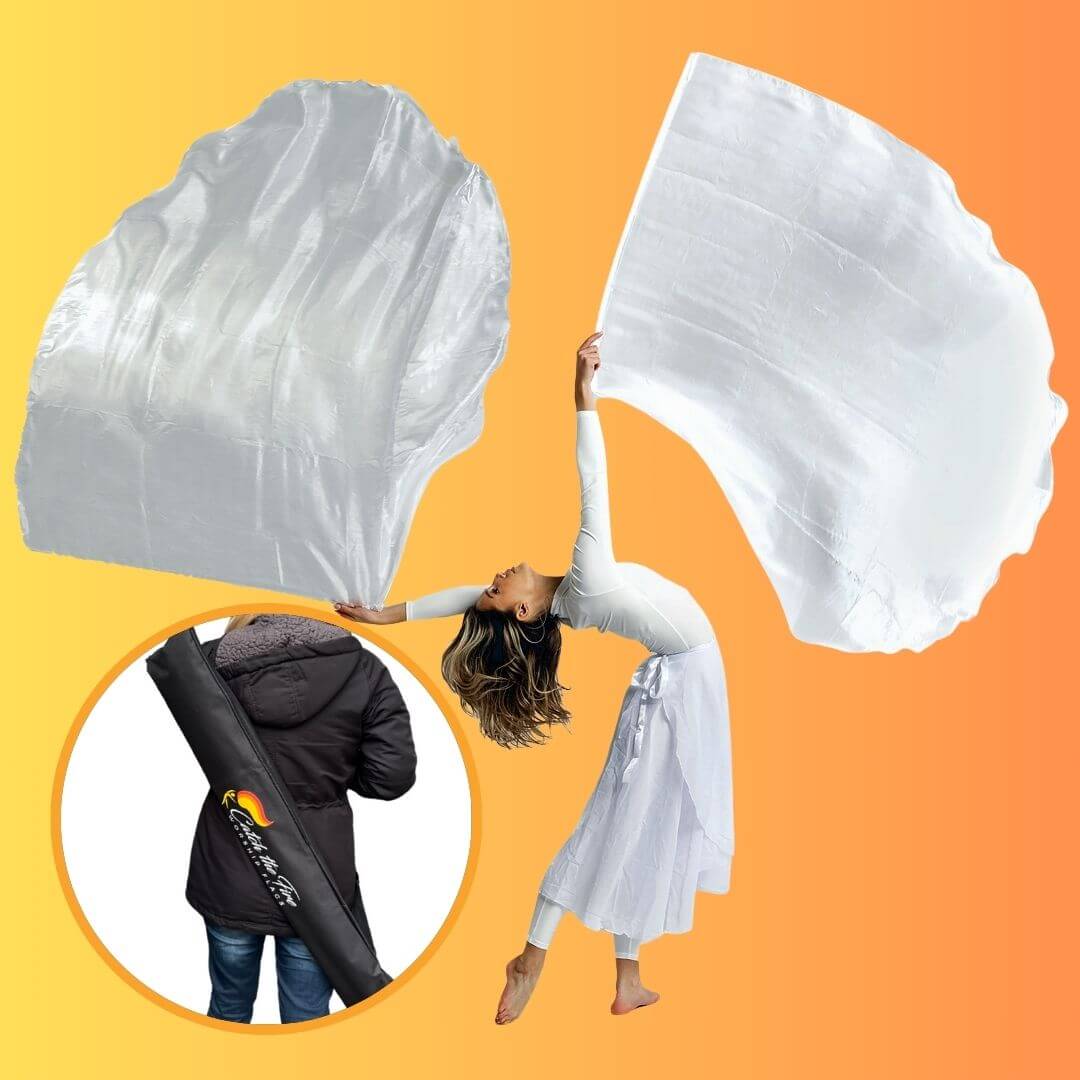
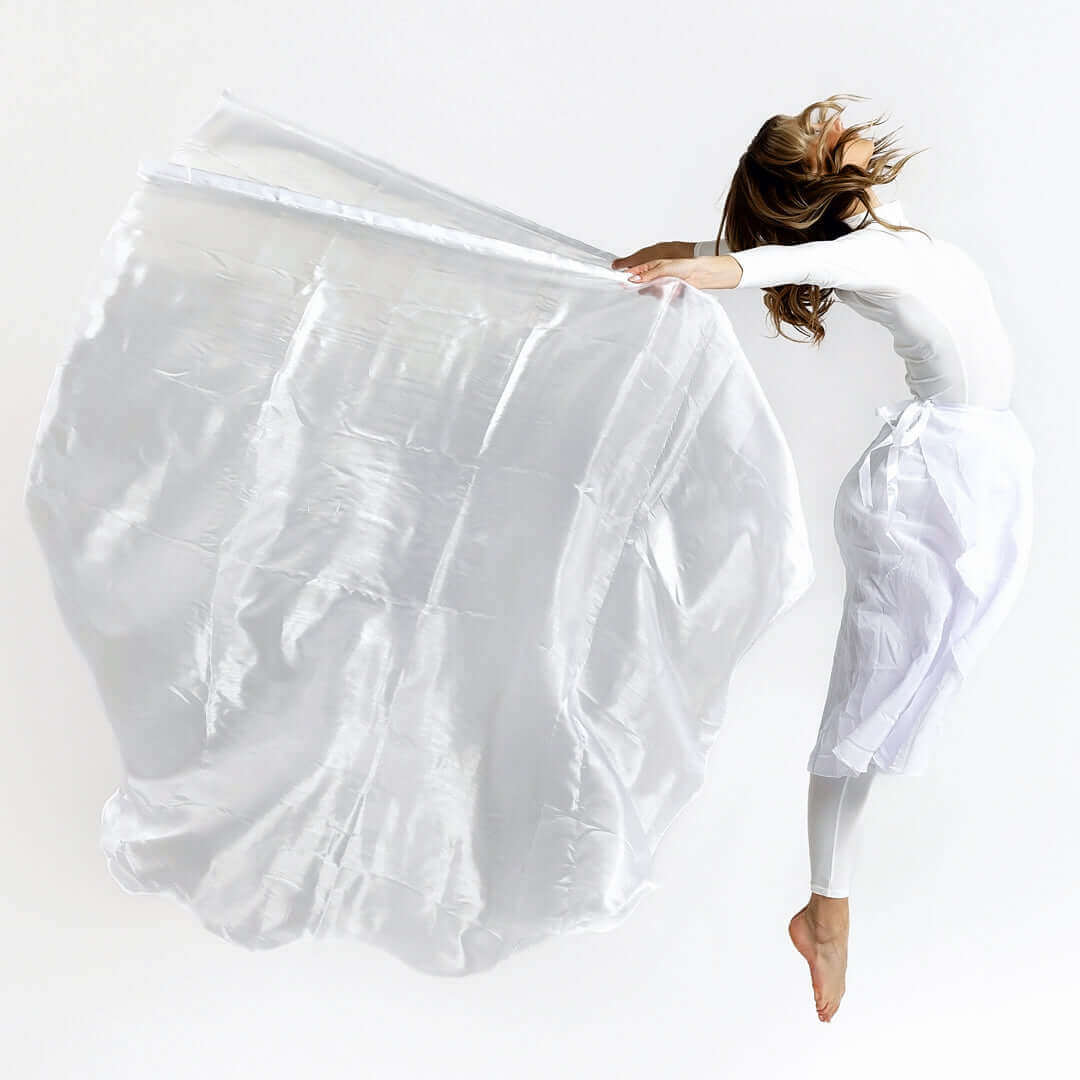
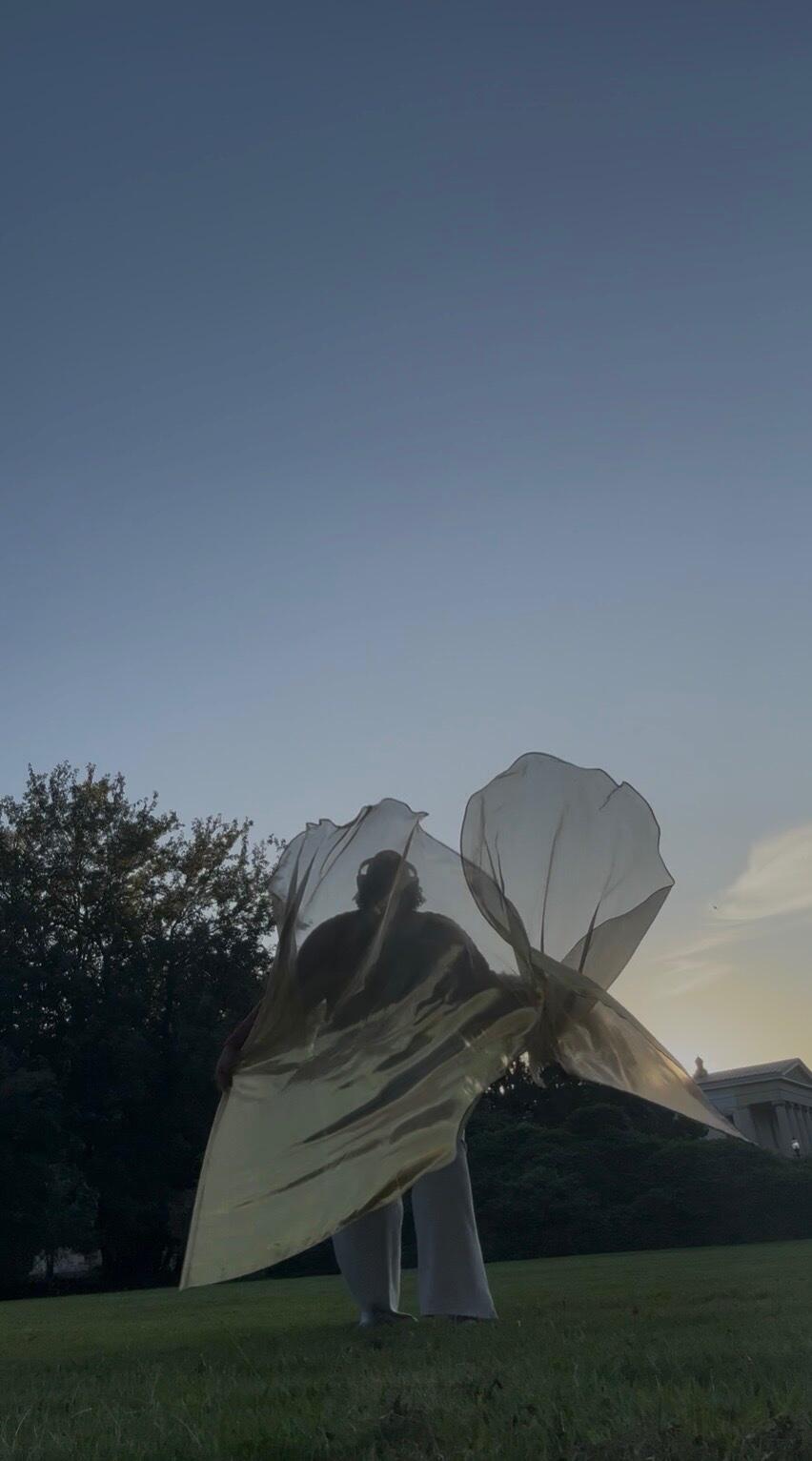
Beautiful Offering Worship Flags exist for that kind of love. Two layers of purple and orange sheer fabric move with grace and depth, an angel-wing cut that catches the air the way perfume once filled a room. These flags are for the moments when you want to give Jesus everything and don't care who's watching.
The flexion pole has enough give to move gently in a beginner's hand, so a first-time flagging minister isn't fighting the flag to make it flow. It stays light and easy to use through a full worship set, whether you're standing in a service or kneeling alone in your living room.
They aren't decoration. They're a response. A release. A yes.
Beautiful Offering Worship Flags Reviews
They're absolutely stunning! They flow so gracefully and have been such a blessing in worship practices. I would definitely buy these again. ~Jennifer P.
If I ever need a breakthrough, or just want to worship for the sake of worshipping, I feel closer to God while using these in my worship time. ~Juanita
These flags keep moving hearts because they aren't props. They're an invitation to pour out everything, the way she did at Simon's table.
Your alabaster jar might not be perfume. It might be your comfort, your image, your need to look composed in front of other people. It might be the specific fear of being seen crying in church, or moving your body when everyone else keeps their hands folded in their lap. Whatever it is, personal worship gives you a place to break it open.
Use a Beautiful Offering flag in your quiet time, in a church service, or in a private moment of prayer. Let your body join what your heart is already saying. Let your love rise up like fragrance.
Living Extravagant Worship Today
Extravagant worship with flags rarely looks practical from the outside. The perfume looked wasted to the men at that table. Time spent kneeling, weeping, or moving a flag through the air can look wasted to onlookers who expect a quiet pew instead.
Jesus never measured it that way. He received the gift, named it beautiful, and made sure it would be remembered.
Every flagging minister who has ever felt out of place lifting a flag in a room full of people who aren't doing the same thing is standing in a small version of that same story. The posture God is looking for hasn't changed: unmeasured, unhurried, unconcerned with the audience.
Extravagant worship doesn't require an audience or a stage. It can happen in five minutes before the rest of the house wakes up, a flag moving through a quiet living room while coffee brews. It can happen in the third row of a Sunday service, or in a parking lot before anyone else arrives.
The setting matters less than the posture: unmeasured, unhurried, given without keeping a portion back.
Every flagging minister has their own alabaster jar. For one worshipper, it's the fear of moving in front of a congregation that's never used flags before; for another, it's grief that hasn't found words yet. For someone else, it's a comfortable spiritual life that's never cost anything.
Extravagant worship asks the same question each time: what would it look like to stop measuring, and pour it out anyway?
Pink holds a similar heart posture in worship: tender, bridal, unguarded devotion. The Biblical Meaning of Pink explores that color's connection to intimacy with God, a natural companion piece to the alabaster jar's story of surrender.
Worship that costs something still leaves a legacy. It gets remembered, if not by a room full of onlookers, then by the God it was given to.
A congregation doesn't need to understand flagging for it to be real worship. Some flagging ministers move at the front of a service. Others keep their flags at home, using them only in private prayer, and the offering is no less extravagant for staying unseen. Jesus received the perfume in front of a full table, but the value was never in the audience.
Frequently Asked Questions
What does "extravagant worship" mean?
Extravagant worship is worship that costs the worshipper something real, whether that's time, comfort, reputation, or control. It stands in contrast to careful, measured worship, the kind that keeps a portion back just in case.
Scripture's clearest picture of it is the woman who broke open a year's wages in perfume and poured it out without holding anything back, but the same pattern shows up in David's dancing, Miriam's tambourine, and the widow's two coins.
Is it excessive to use a worship flag if I've never done it in front of others before?
It might feel that way at first, and that feeling is normal. Every flagging minister remembers the first time they lifted a flag in front of other people. The woman with the alabaster jar didn't wait until it felt comfortable, and neither do most worshippers who find freedom in movement. Feeling exposed isn't a sign to stop; it's often a sign the offering is real.
What inspired the Beautiful Offering Worship Flags?
They're inspired by the story of the woman with the alabaster jar: her extravagant act of worship, her tears, and her surrender. The double-layer purple and orange sheer fabric and angel-wing cut are designed to bring that same heart posture into motion, releasing color the way she released fragrance.
Can I use these if I've never used a flag before?
Yes. The flexion pole and light, flowing design make them ideal for a first-time flagging minister or anyone looking for a gentler, more expressive movement in worship. No training or choreography is required to begin.
Do they work well for personal worship at home?
Yes. Many worshippers use Beautiful Offering flags in personal prayer, soaking sessions, and other quiet worship moments at home, where no one else is watching but God.
How do I store and care for them?
Keep them in a protective flag bag between uses to protect the sheer fabric and flexion pole. Spot clean gently if needed, and avoid machine washing, which can damage the layers and shorten the flag's life.
Catch the Fire Worship Flags is a global pioneer in prophetic flag worship, empowering flagging ministers around the world with handcrafted flags, biblical teaching, and Spirit-led tools for personal worship. Founded in 2011, we remain the original online resource for worship flags that shift atmospheres and deepen intimacy with God. We offer a wide selection of handcrafted worship dance flags for those who are called to flag... whether through prophetic movement, personal worship, or dance ministry. Our premium collection includes sheer, shimmer, metallic, and multi-layer flags designed for church services, street ministry, stage choreography, and dance performance. If you feel called to flag and are drawn to worship through movement, you're in the right place.