Skip to content


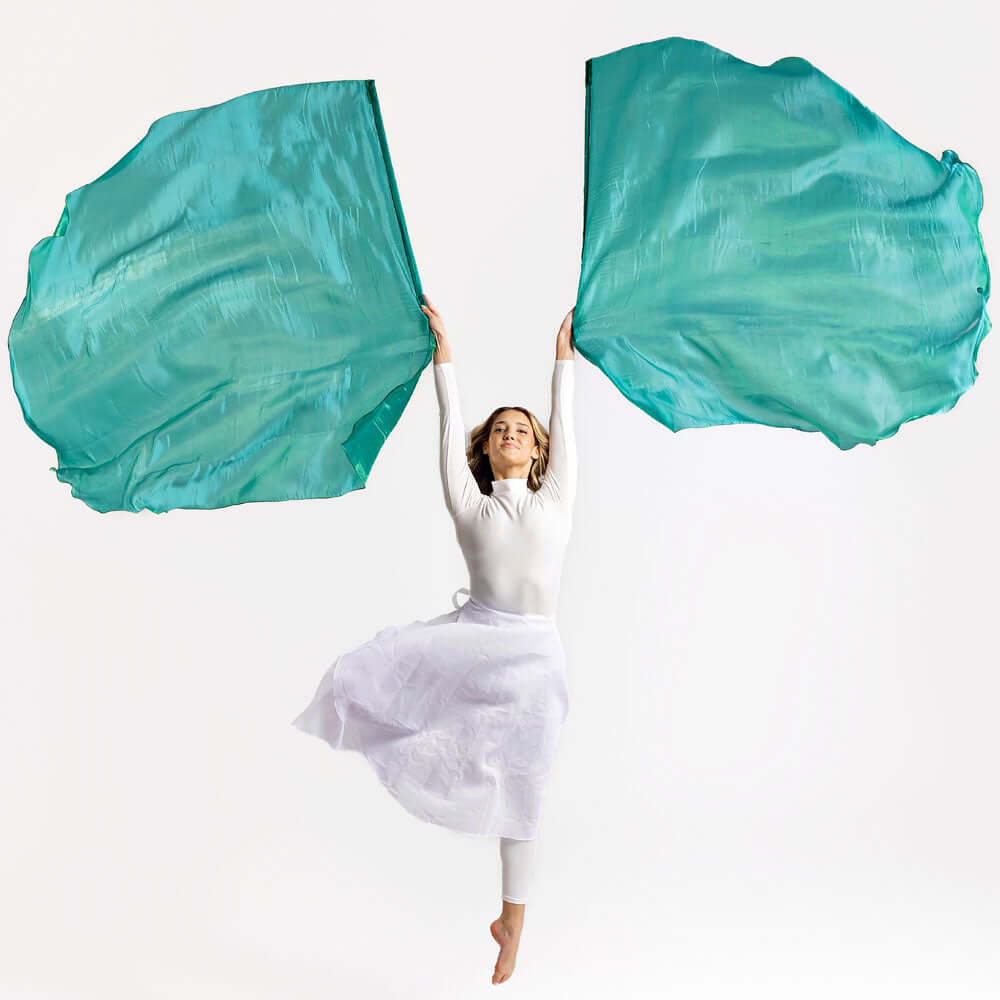
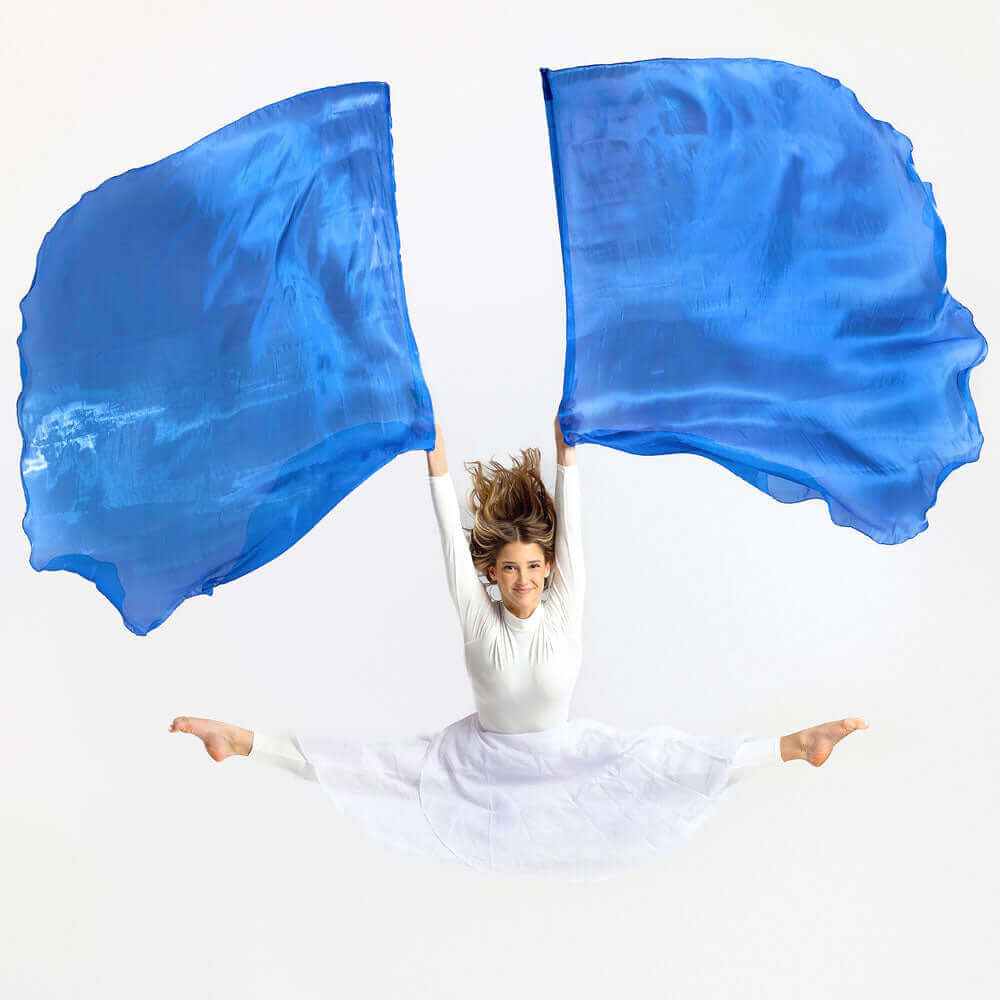
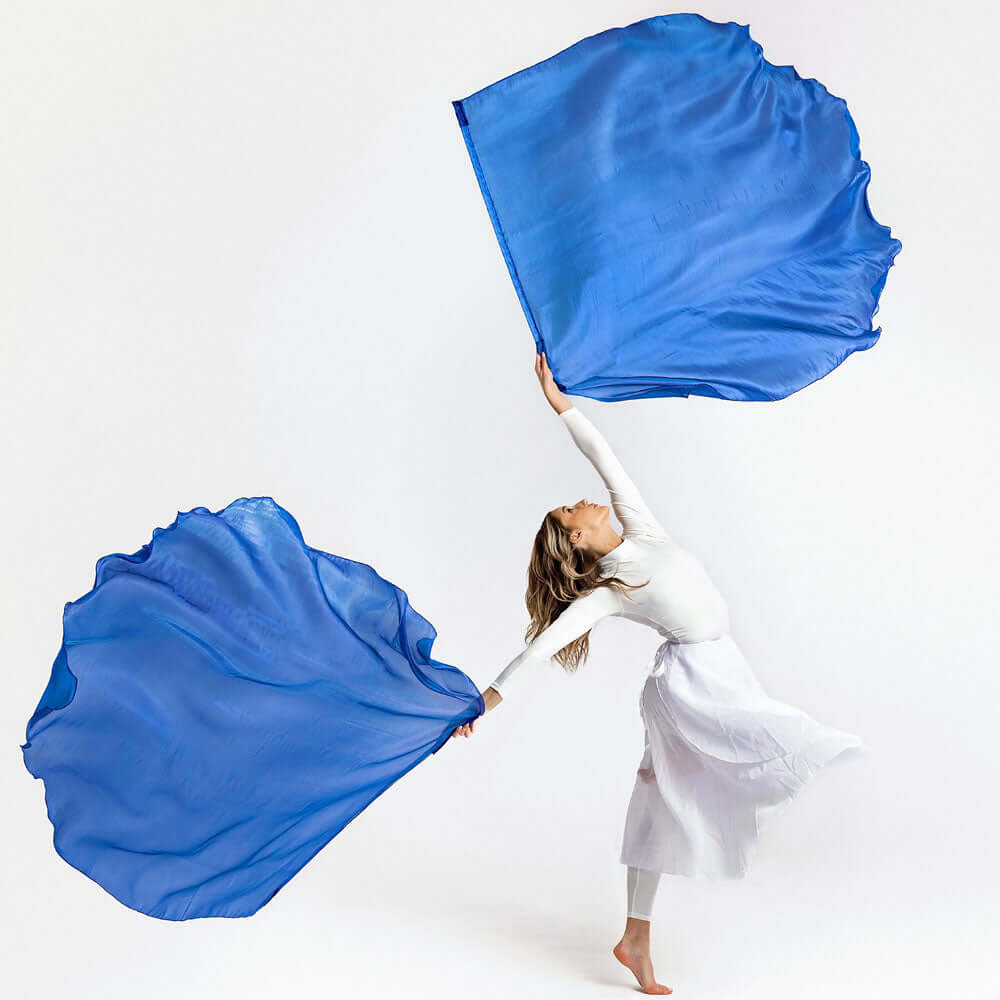
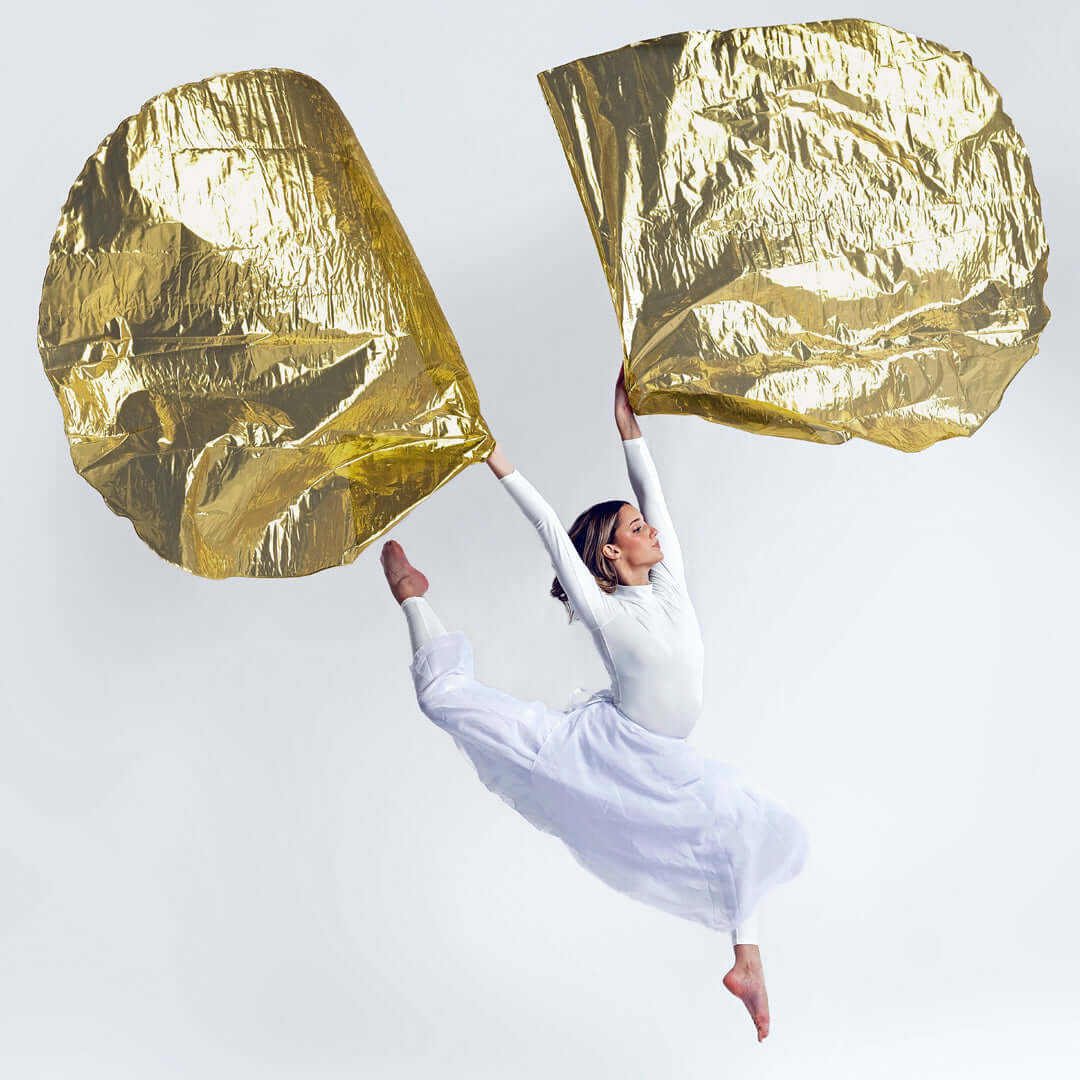
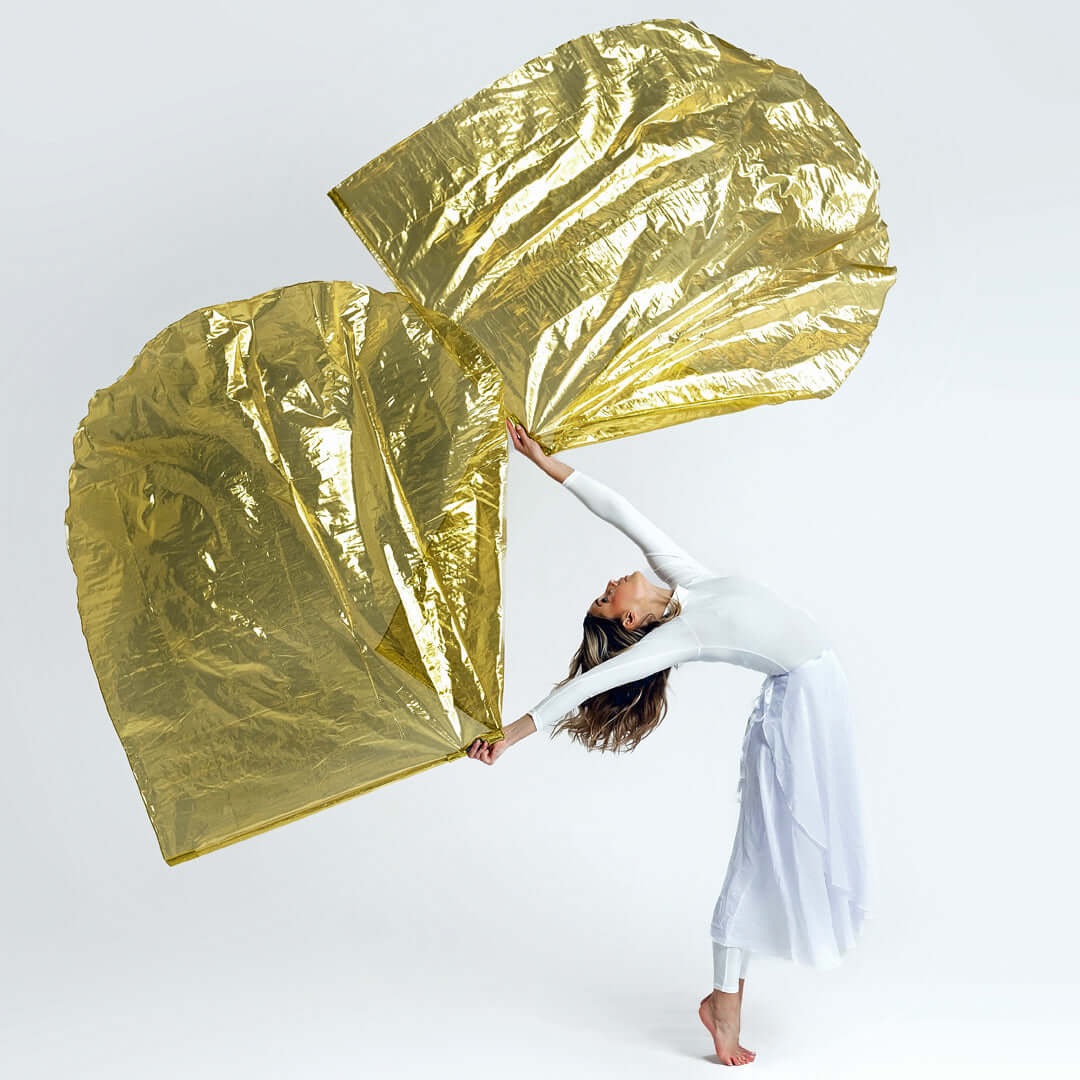
A worship flag is a flag made from sheer, shimmer, or metallic fabric that a flagging minister uses during worship to express prophetic movement, declare Scripture over a room, and shift the spiritual atmosphere. It's not a costume prop. It's not a dance accessory. It's a visible form of prayer.
Without knowledge or understanding, a worship flag might look like fabric on a pole made for performance. But to a flagging minister, it's something else entirely. It makes no sound, but it speaks. It answers an inward prompting from Holy Spirit with visible, physical movement.
Worship flags show up across a wide range of church traditions today, most commonly in charismatic, Pentecostal, and prophetic worship settings, though flagging ministers use them in personal worship regardless of denomination. Some flags declare a specific Name of God.
Others reflect a season, a Scripture, or a personal breakthrough. The fabric changes. The purpose behind lifting it stays the same: response to God, made visible.
Jump to a section:
- What Are Worship Flags?
- A Brief History of Worship Flags
- The Prophetic Meaning of Worship Flags
- Worship Flags as Prophetic Declarations
- Worship Flags Give Direction
- Worship Flags Act as a Beacon
- Worship Flags Stake Territory
- Worship Flags Display Identity
- Are Worship Flags Biblical?
- Different Types of Worship Flags
- How to Start Using Worship Flags
- Worship Flags FAQ
New to this and want a gentle, no-pressure introduction first? Our free Getting Started with Worship Flags guide walks you through choosing and using your first flag.
What Are Worship Flags?
Flags have always meant something. Armies raised them to mark battle lines. Nations flew them to declare identity. Processions used them to lead a crowd toward a destination or a king.
In the natural, a flag shows where to go, who someone belongs to, and where their allegiance lies. In worship, the flag does the same work, but in the Spirit rather than the natural. God has always used the visible to communicate the invisible.
Scripture backs this up long before "worship flags" existed as a category. Priestly garments and Tabernacle curtains used color and fabric with specific meaning, not decoration. A worship flag continues that same pattern inside a modern worship service.
A Brief History of Worship Flags
Flags and banners appear across ancient history long before anyone called them "worship flags." Armies used them to mark battle lines and rally troops. Nations flew them to declare territory and identity. Processions used them to lead crowds toward a destination or a king.
Scripture describes this same symbolism inside Israel's own camp. Each tribe camped and marched under its own banner in the wilderness (Numbers 2:2), turning fabric into a visible marker of belonging centuries before flags became a modern worship practice.
The modern worship flag movement grew out of the charismatic and prophetic renewal movements of the late 20th century, as churches began looking for physical, Spirit-led expressions of worship beyond singing alone.
Flagging ministers began using fabric, color, and movement the way David's household used instruments and dance: as a full-bodied response to God, not a performance for an audience.
Today, worship flags appear in church services, conferences, street ministry, and personal worship around the world. The form is newer than the symbolism behind it. The principle, using something visible to declare something spiritual, goes back to the beginning of Scripture.
The shape and style of worship flags has followed their own evolution. Early worship flags mirrored the simple rectangle borrowed directly from national and ceremonial banners, with little variation from maker to maker.
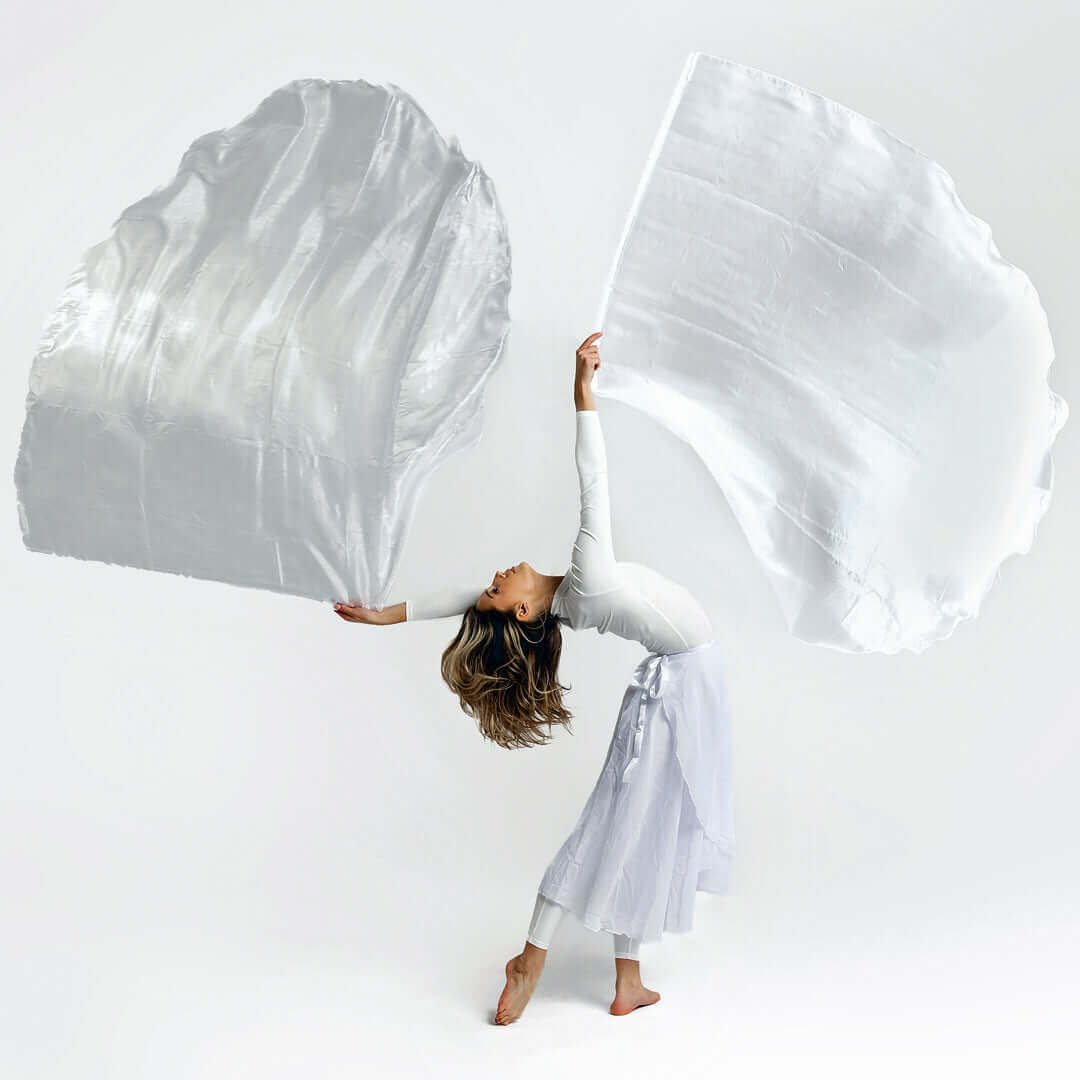
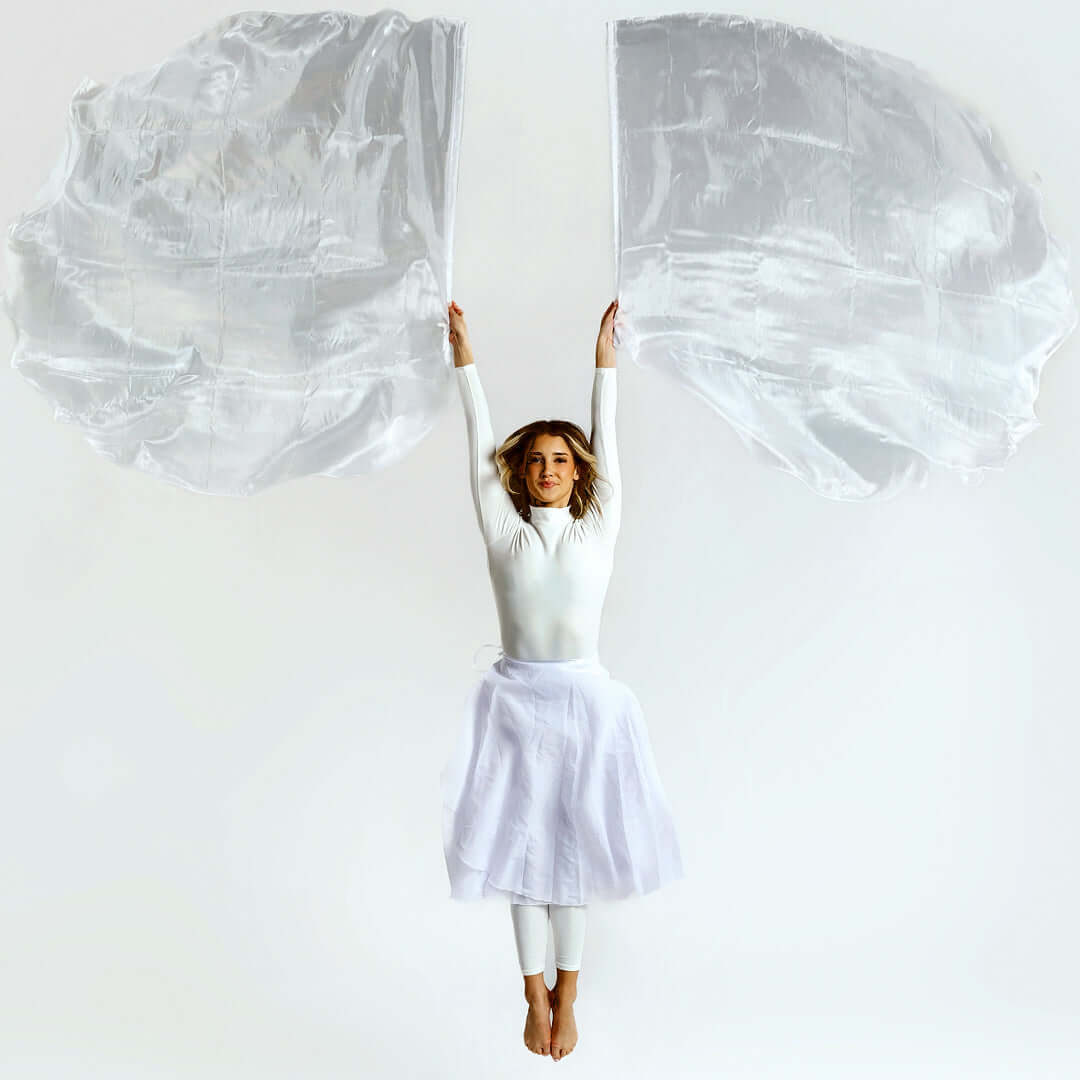
As more flagging ministers and small flag makers entered the space, that started to change. Today a worship flag can be rectangular, semicircular, round, oval, triangular, or the layered angel-wing design that's become a signature look in its own right.
There are now as many shapes as there are makers, each one still expressing the same underlying purpose through a different silhouette.
The Prophetic Meaning of Worship Flags
God has always spoken through color, movement, and symbol. Joseph's multicolored robe marked him as favored before anyone spoke a word to his brothers about it. The priestly garments in Exodus used blue, purple, and scarlet with specific meaning. None of it was random.
Each color holds its own prophetic significance, from the blue of heaven's authority to the scarlet of the blood of Jesus. Our full guide to biblical color meanings goes deeper on what each color declares.
Worship flags engage the whole person: body, soul, and spirit. A flagging minister who lifts a flag isn't performing. They're declaring something with their whole being that words alone can't hold.
A worship flag is also one expression within a larger practice often called creative worship: physical, Spirit-led responses to God that reach beyond singing alone. Timbrels, veils, swing flags, streamers, ribbon wands, and glory hoops all belong to that same family, each one giving the body a different way to respond.
Miriam's timbrel after the crossing of the Red Sea is one of Scripture's earliest pictures of this kind of embodied praise (Exodus 15:20). A worship flag simply extends that same instinct into fabric and a pole.
A worship flag can:
- Shift the spiritual atmosphere in a room
- Signal movement in intercession
- Declare territory for the Kingdom
- Awaken a prophetic response in others
They don't require sound to work. They speak across language barriers and across generations, leaving an impression in a room long after the song ends.
Worship Flags as Prophetic Declarations
Scripture doesn't only describe banners. It describes prophets acting things out physically as a form of proclamation.
Ezekiel laid siege to a model of Jerusalem and packed a bag for exile, acting out a coming judgment before he spoke a word about it (Ezekiel 4-5). Jeremiah buried a linen belt and wore a yoke, turning physical objects into prophetic sermons the nation couldn't ignore.
A worship flag continues that same prophetic tradition. It's a physical, visible act that declares something true before, during, or instead of spoken words. This isn't a metaphor added after the fact. It's the same pattern of embodied prophecy Scripture has always used.
The craftsmanship behind a worship flag matters too. In Exodus 31, God filled Bezalel with His Spirit specifically to design and create the Tabernacle's artistic elements, tying skilled craft directly to spiritual purpose. A handcrafted worship flag stands in that same lineage: fabric shaped by skilled hands for a spiritual, not decorative, purpose.
Worship Flags Give Direction
In the natural, a flag shows a crowd where to go. In worship, a flagging minister's movement functions the same way, giving a congregation or a region a visible sense of where God is leading.
Raise the signal to go to Zion! Flee for safety without delay! For I am bringing disaster from the north... ~Jeremiah 4:6
A flag lifted in worship points the eyes and the heart toward Zion, toward the King, rather than toward the chaos in the room. In seasons of confusion or spiritual battle, God still uses a prophetic voice, and a prophetic movement, to show His people the way forward.
That direction rarely comes with an explanation. It comes as a prompting to move, and the flag simply makes that prompting visible.
Worship Flags Act as a Beacon
A tour guide raises a small flag in a crowded city so a group doesn't lose their way. Worship flags function the same way inside a room full of people seeking God.
You have set up a banner for those who fear you, that they may flee to it from the bow. ~Psalm 60:4
A worship flag becomes a rallying point, a visible symbol of alignment, a place of spiritual refuge in the middle of a service. It can call a congregation back to God's heart when attention starts to scatter. It doesn't need to be large or elaborate to do this. A single flag, lifted with intention, reminds a room where its actual refuge is.
Worship Flags Stake Territory
When astronauts first stepped onto the moon, the first thing they did was plant a flag. It marked ownership, presence, and legacy in a place no one had claimed before.
Go through, go through the gates; prepare the way for the people... lift up a signal over the peoples. ~Isaiah 62:10
A worship flag holds that same prophetic authority in the spiritual realm. Raising a flag in worship is a declaration: God has been here, and His Kingdom is advancing in this place. It isn't performative. It's intercessory, done on behalf of a room, a church, or a city that may not yet recognize what's shifting.
Worship Flags Display Identity
A flag tells the world who someone belongs to. Every tribe in Israel camped under its own unique banner in the wilderness, a visible marker of identity long before anyone could read a name tag.
The people of Israel shall camp each by his own banner, with the banners of their fathers' houses... ~Numbers 2:2
Worship with a flag today, and a flagging minister is identifying with Heaven's camp. It's a way of saying, in a language older than words: I belong to the King. That identity doesn't shift based on performance, mood, or how the movement looks to anyone watching.
Are Worship Flags Biblical?
The specific phrase "worship flags" doesn't appear in the Bible. Banners, signals, and standards do, and they show up constantly as tools God's people used to communicate, rally, and declare His presence. Numbers 2:2, Isaiah 62:10, and Psalm 60:4, all referenced above, are three of dozens of examples across both the Old and New Testament.
Exodus 39 describes priestly garments woven with specific colors and patterns by God's own instruction, not human preference. Song of Songs 2:4 pictures God's banner over His people as an act of love, not warfare.
The pattern holds across genres: wherever God's people needed to see something true, He gave them a visible sign to make it plain.
If a pastor, a friend, or your own conscience needs a fuller answer than this section can give, Are Worship Flags in the Bible? walks through 50-plus scripture references and the Hebrew and Greek word studies behind them.
Different Types of Worship Flags
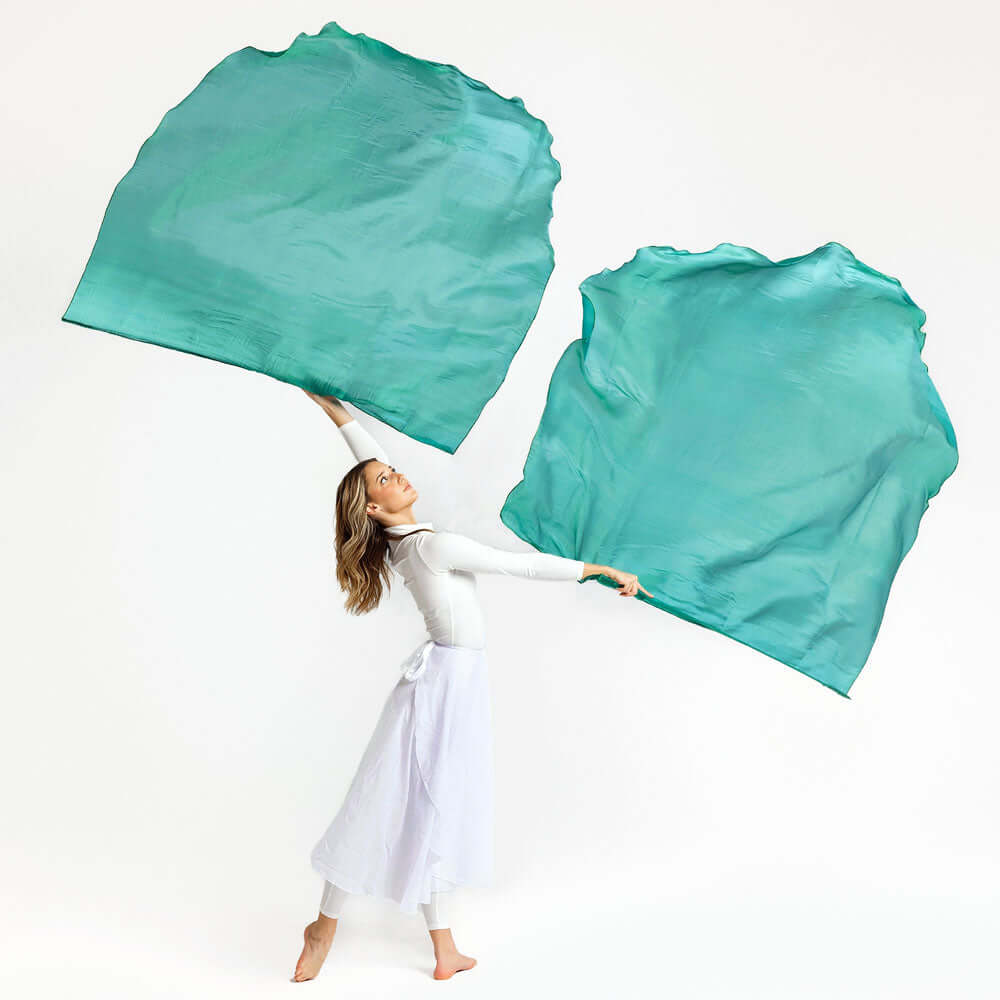
Worship flags aren't one-size-fits-all. The fabric, the number of layers, and the flag's size all change how it moves and what it communicates in a room.
Single-layer flags use one piece of fabric, usually sheer, shimmer, or metallic. They're the lightest option and the easiest for a new flagging minister to control, which makes them the standard starting point.
Double-layer flags combine two fabrics, often two colors or two textures, for fuller movement and a richer visual message. Triple-layer and multi-layer flags add a third element, creating the most dramatic motion and the most complex color combinations.
Fabric matters too. Sheer fabric flows and catches light gently. Shimmer and metallic fabrics reflect light more boldly, which some flagging ministers pair with declarations of glory or victory. None of these choices are required. They're simply tools that shape how a flag moves and what it visually declares.
How to Start Using Worship Flags
A flagging minister doesn't need choreography training to begin. What's needed is a willing heart and a readiness to be led by Holy Spirit in the moment.
Start with a lightweight single-layer flag on a shorter pole. It's easier to manage while you're learning to listen rather than perform. Our Best Sellers collection is a good place to see which flags other flagging ministers reach for first.
Choose a color you feel personally drawn to rather than one you think you should want. If the meaning behind that pull isn't clear yet, our Biblical Color Meanings guide breaks down what each color has historically declared in Scripture.
There's no required first movement. Lift the flag, wait on Holy Spirit, and let personal worship lead ahead of performance. The goal was never a polished routine. It was always response.
Ready to bring a flag into your own worship? Take 10% off your first flag below.
Worship Flags FAQ
What is the spiritual meaning of worship flags?
Worship flags symbolize prophetic movement, spiritual alignment, and declaration. They give a visible form to intercession, identity, and direction, the same way banners functioned throughout Scripture.
A flagging minister uses the flag as an act of response to God rather than a performance for an audience.
Are worship flags biblical?
The specific phrase doesn't appear in the Bible, but banners and signals do, repeatedly, in passages like Numbers 2:2, Isaiah 62:10, and Psalm 60:4.
Worship flags continue that same pattern of using something visible to declare something spiritual. Are Worship Flags in the Bible? covers the fuller case in depth.
What's the difference between worship flags and flag dance or color guard flags?
Color guard and flag dance are performance disciplines centered on choreography, timing, and technical skill for an audience.
A worship flag is used as an act of prayer directed toward God, led by Holy Spirit rather than a set routine. The fabric can look similar. The purpose behind lifting it is not.
Do I need training or dance experience to use a worship flag?
No. A flagging minister doesn't need dance training, only a willing heart and readiness to be led. Start with a single-layer flag, keep the movement simple, and let Holy Spirit direct the moment rather than a routine.
What are worship flags made of?
Most handcrafted worship flags use sheer, shimmer, or metallic fabric, chosen for how it catches light and flows in the air.
Multi-layer flags combine two or three fabrics for fuller movement and richer color combinations. Fabric choice affects how a flag moves, so lighter fabrics tend to suit beginners best.
What size or type should a beginner start with?
A single-layer flag on a shorter pole is the easiest starting point for a new flagging minister. It's light enough to manage while learning to listen for Holy Spirit's leading rather than focusing on technique. Multi-layer and larger flags are worth exploring once that foundation feels natural.
Can worship flags be used outside of a church service?
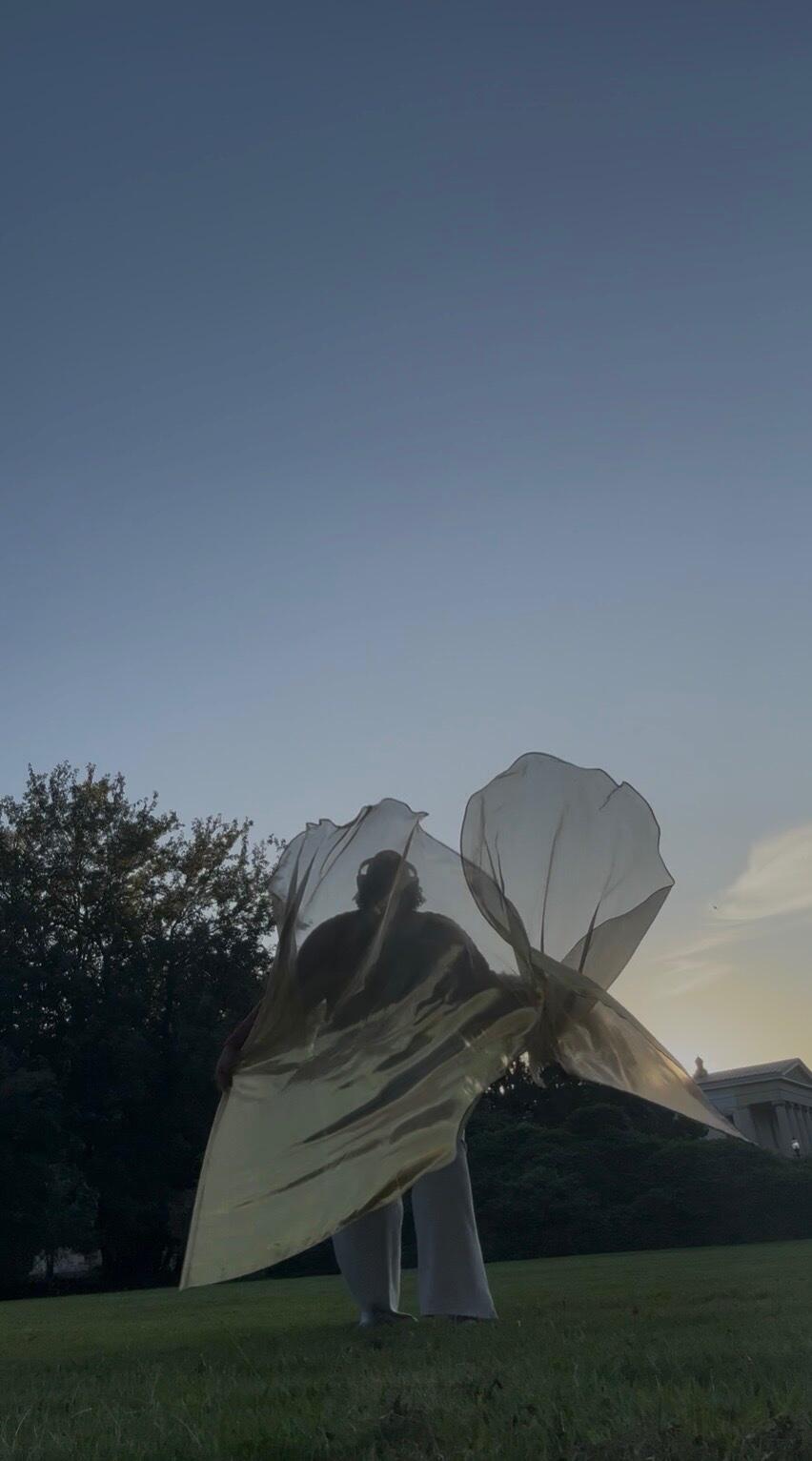
Yes. Flagging ministers use worship flags in personal worship at home, in street ministry, in prayer walks, and in outdoor gatherings. The setting changes. The purpose of declaration and personal worship stays the same regardless of where the flag is lifted.
Is there a right or wrong way to use a worship flag?
There's no required choreography. What matters most is the posture of the heart behind the movement, since a worship flag is meant to be used in response to Holy Spirit rather than performed for approval. Hesitant, sincere movement holds more spiritual significance than a polished routine offered for show.
Do worship flags have meaning based on color?
Yes. Color is one of the primary ways Scripture communicates prophetic meaning, and worship flags follow that same pattern. Biblical Color Meanings for Worship Flags breaks down all 15 colors and the Scripture behind each one.
If you want the fuller scriptural case for worship flags, Are Worship Flags in the Bible? walks through 50-plus references most people have never connected to flag worship.
For a practical next step once you've chosen a flag, How to Hold Worship Flags covers grip, wrist movement, and the most common beginner mistakes. And if the color question from this post is still on your mind, Biblical Color Meanings for Worship Flags is the full guide behind everything referenced above.
Catch the Fire Worship Flags is a global pioneer in prophetic flag worship, empowering flagging ministers around the world with handcrafted flags, biblical teaching, and Spirit-led tools for personal worship. Founded in 2011, we remain the original online resource for worship flags that shift atmospheres and deepen intimacy with God. We offer a wide selection of handcrafted worship dance flags for those who are called to flag... whether through prophetic movement, personal worship, or dance ministry. Our premium collection includes sheer, shimmer, metallic, and multi-layer flags designed for church services, street ministry, stage choreography, and dance performance. If you feel called to flag and are drawn to worship through movement, you're in the right place.