Skip to content


Long before Samuel poured oil over his head, David spent his days worshipping alone in a field. Scripture doesn't introduce him as a warrior or a king. It introduces him as a shepherd who sang to God when no one else was listening.
The throne came after the worship, not before it. And the pattern David set still shapes what worship looks like for anyone who picks up a psalm, a harp, or a worship flag today, long after the shepherd fields of Bethlehem have faded into history.
- David the Shepherd Worshipper
- Worship That Brought Healing to Saul
- The Tabernacle of David
- Why This Matters Today
- FAQ
For worshippers who want deeper scriptural grounding for moments like these, Catch the Fire Worship Flags created a free Biblical Reference Guide addressing the most common questions about worship, movement, and Scripture.
David the Shepherd Worshipper
When Samuel arrived in Bethlehem to anoint Israel's next king, David wasn't even called in from the fields at first (1 Samuel 16:11). He was the youngest of Jesse's sons, the one nobody thought to mention. He was overlooked by the men in the room, but not by God.
Psalm 23 wasn't written on a throne. It came out of years spent in the wilderness, with no audience and no applause, depending on God for everything. The Lord is my shepherd wasn't theology to David. It was memory.
Overlooked by men. Seen by God. That's where David's worship began, and it's still where worship begins for most people: unseen, unhurried, and honest.
Long before he ever faced Goliath, David was already being shaped. The hours alone with sheep, a sling, and God were preparation nobody was scoring at the time (1 Samuel 17:34-37). Scripture doesn't dwell on those years because they were eventful. It dwells on them because they were formative.
Years later, Scripture would call David a man after God's own heart (Acts 13:22). That description didn't describe his talent or his record. It described the direction of his attention: toward God, consistently, long before there was a throne to sit on or a crowd to worship in front of.
Worship That Brought Healing to Saul
After David was anointed, a tormenting spirit began troubling King Saul, and his attendants searched for a remedy. Their solution wasn't medicine. It was music, specifically the music of a shepherd who'd been worshipping when no one else was watching.
One of Saul's attendants described David this way: "a skillful musician, a mighty man of valor, a warrior, eloquent, and handsome, and the LORD is with him" (1 Samuel 16:18). David wasn't summoned for skill alone. He was summoned because Holy Spirit rested on him, and that presence changed the room the moment he walked in.
When David played, the torment lifted and Saul found rest. Worship isn't decorative. It's powerful enough to silence fear and shift a situation or atmosphere no one else could reach.
Scripture is specific about the pattern: whenever the tormenting spirit came on Saul, David played, and Saul found relief while the spirit left him (1 Samuel 16:23). This wasn't a one-time encounter. It became something Saul's household called for again and again, every time the darkness returned.
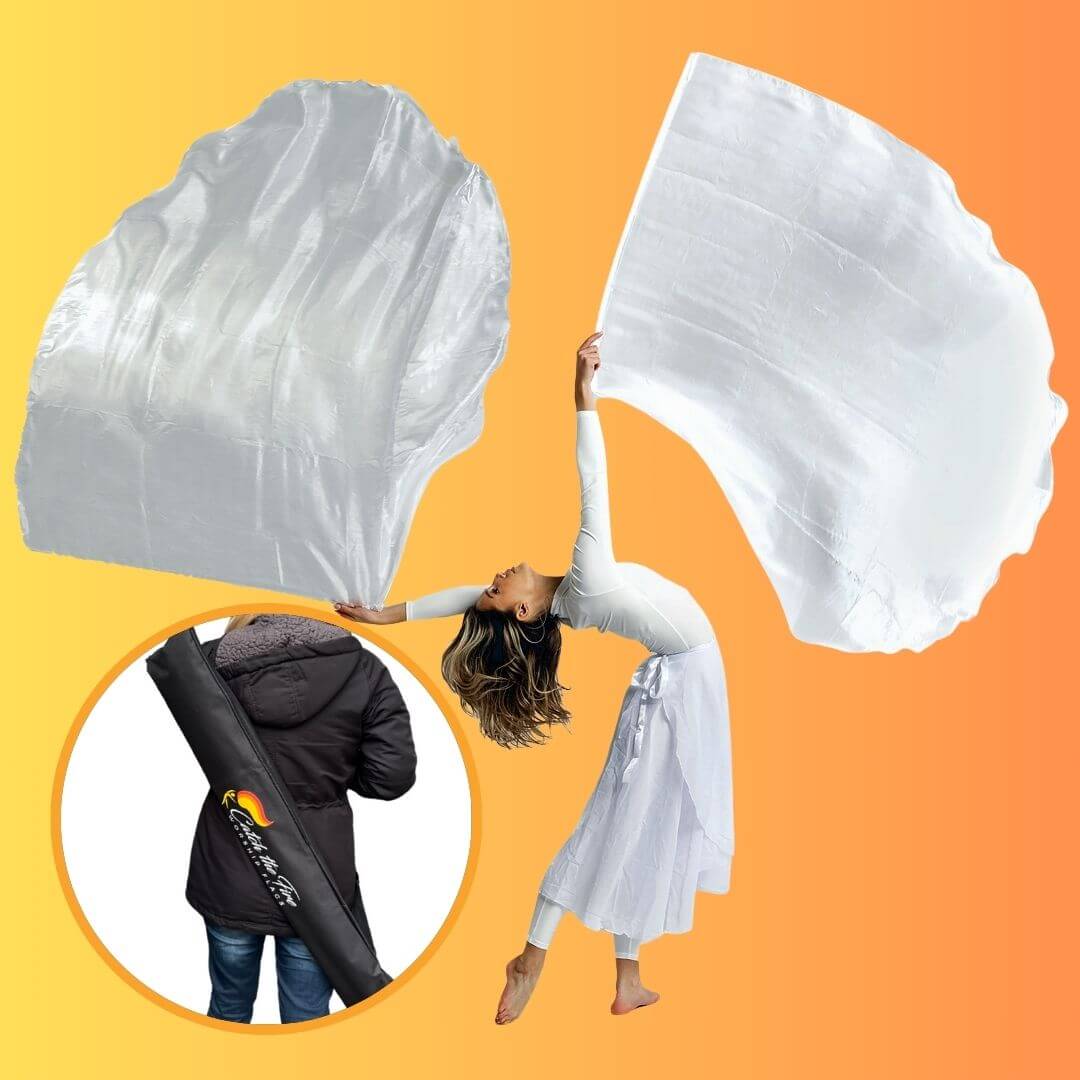
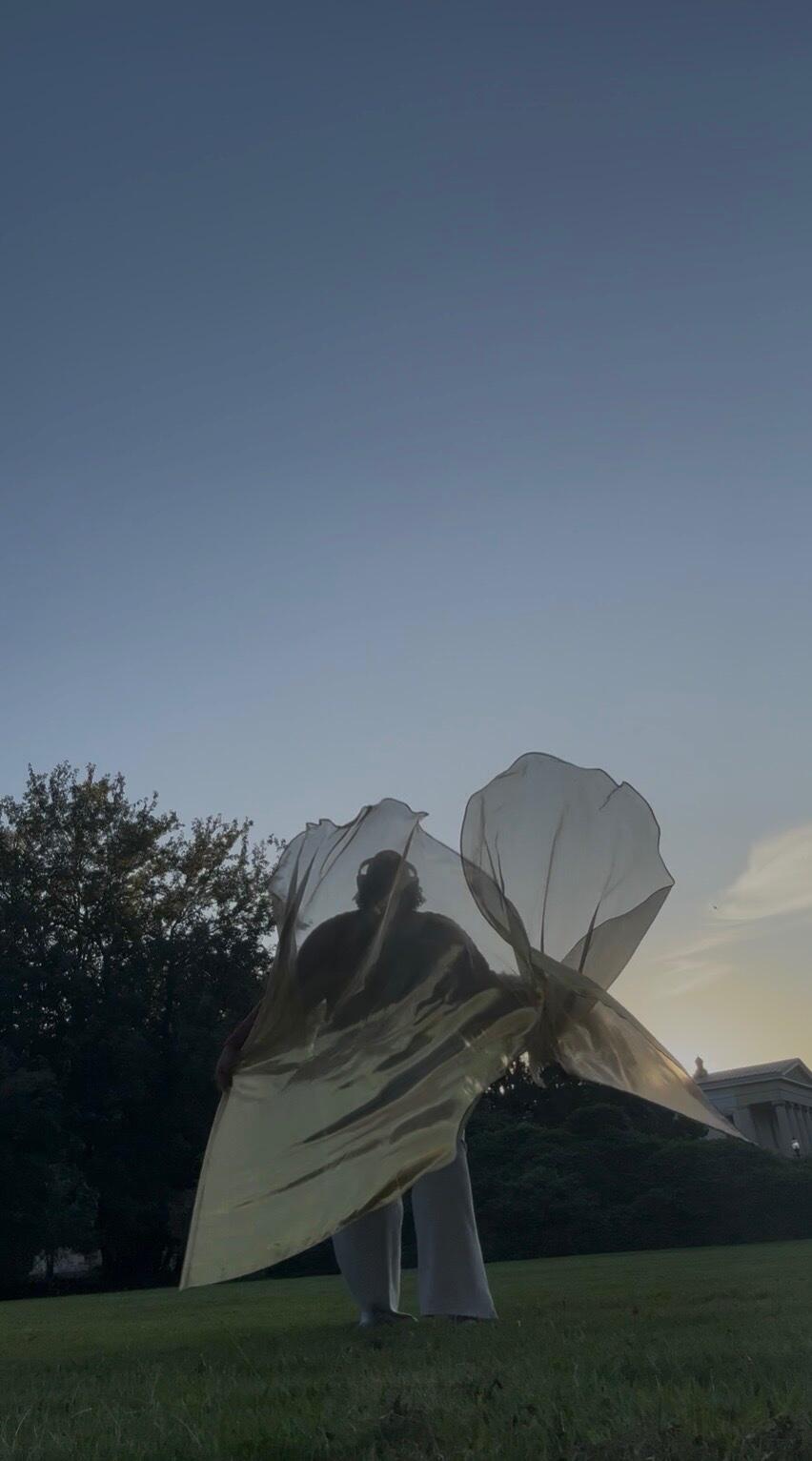
The Anointed worship flags reflect this same picture: private preparation with God that shapes what a worshipper releases in public. A flagging minister doesn't lift a flag to perform. The movement becomes visible only after something formed in secret with God is ready to be shared.
The Tabernacle of David
When David finally brought the Ark of the Covenant into Jerusalem, he made an unusual choice. He set it inside a tent with no veil and no barrier between the Ark and the people (1 Chronicles 16:1). Access to God's presence, once guarded by curtains and priests alone, was suddenly open.
David then appointed singers and musicians to minister before the Ark continually (1 Chronicles 16:4-6). Unlike the Mosaic tabernacle, this one had no fixed liturgy. Worship inside it was prophetic, spontaneous, and constant, centered on intimacy rather than ritual.
David didn't leave this worship to chance. He appointed named individuals, Asaph among them, to lead in thanksgiving and praise before the Ark every day (1 Chronicles 16:37). Worship became a scheduled, sustained ministry, not an occasional addition to national life.
Chronicles even records these musicians organized into rotating divisions, each responsible for specific days and psalms (1 Chronicles 25:1-8). Worship wasn't an afterthought squeezed in around the business of governing a nation.
It held the same seriousness David gave to the treasury or the army, because he understood that a kingdom without worship at its center eventually loses what made it worth creating in the first place.
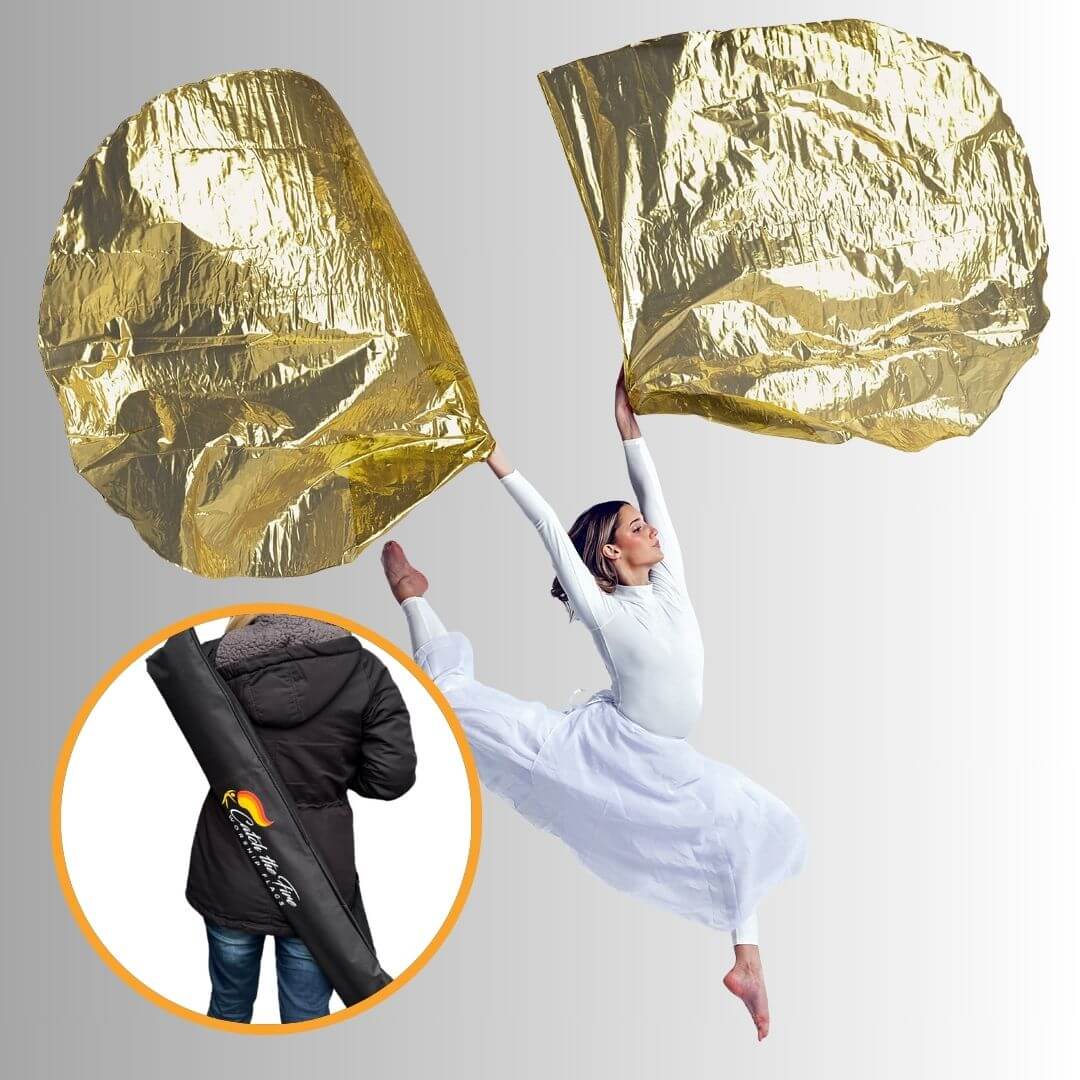
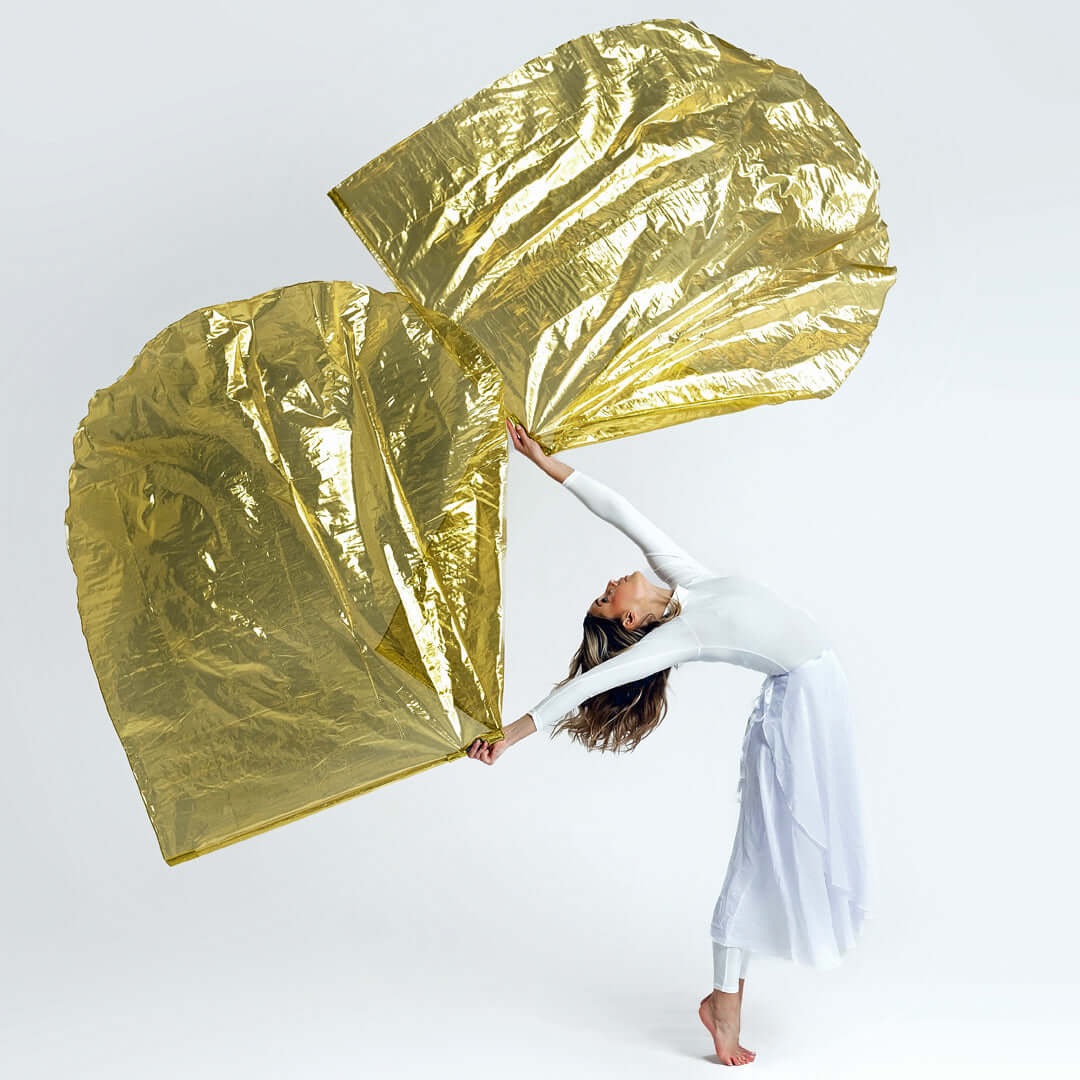
The Throne Room Collection reflects this same posture in modern worship: flags created for worshippers who want to dwell in God's presence rather than approach it from a distance.
Why This Matters Today
The prophet Amos spoke a promise centuries before Christ, and the apostle James quoted it at the Jerusalem council to explain what God was doing among a new generation of believers (Acts 15:13-18). The tent imagery wasn't incidental. It was a pattern God kept returning to, long after David himself was gone.
God makes this promise through the prophets, later echoed in the New Testament:
After this I will return and rebuild David's fallen tent ~Acts 15:16
He never promised to restore the tabernacle of Moses. He promised to restore David's. The difference matters: David's tent prioritized presence over procedure, and that's still the model being restored today.
Every time a worshipper lifts a worship flag, prays alone in a room, or sings without an audience, they participate in that same restoration. It's presence hosted through movement, offered freely, without needing a stage to make it matter. David's tent is still standing, just in different hands.
This is also why David's story anchors a worship culture centered on availability rather than performance. His tent didn't require talent auditions or a stage presence. It required a worshipper who showed up, and that's still the only requirement today.
For a fuller look at where worship flags fit into Scripture, see What Are Worship Flags? and Are Worship Flags Against the Regulative Principle of Worship?. Both work well alongside David's story, since his life answers why worship changes a room before either post gets into how to hold a flag.
FAQ
Why did God choose David when Samuel and Jesse overlooked him?
Samuel and Jesse were both looking for someone with an impressive presence. God wasn't. He'd already chosen the shepherd nobody called in from the field, because man looks at the outward appearance, but the Lord looks at the heart (1 Samuel 16:7).
What does it mean that David worshipped before he became king?
It means his worship wasn't shaped by having a platform. It formed in obscurity, long before anyone was watching, and it stayed consistent once the crowd arrived.
Why did David's worship bring peace to Saul?
Saul's torment lifted because David brought more than skill into the room. Holy Spirit's presence rested on him, and that presence, not the music alone, is what shifted the atmosphere.
What made the Tabernacle of David different from Moses' tabernacle?
The Mosaic tabernacle used veils, priests, and set rituals to guard access to God. David's tent had none of that. Worship there was continual, spontaneous, and open to anyone drawn near.
How do worship flags connect to David's tabernacle?
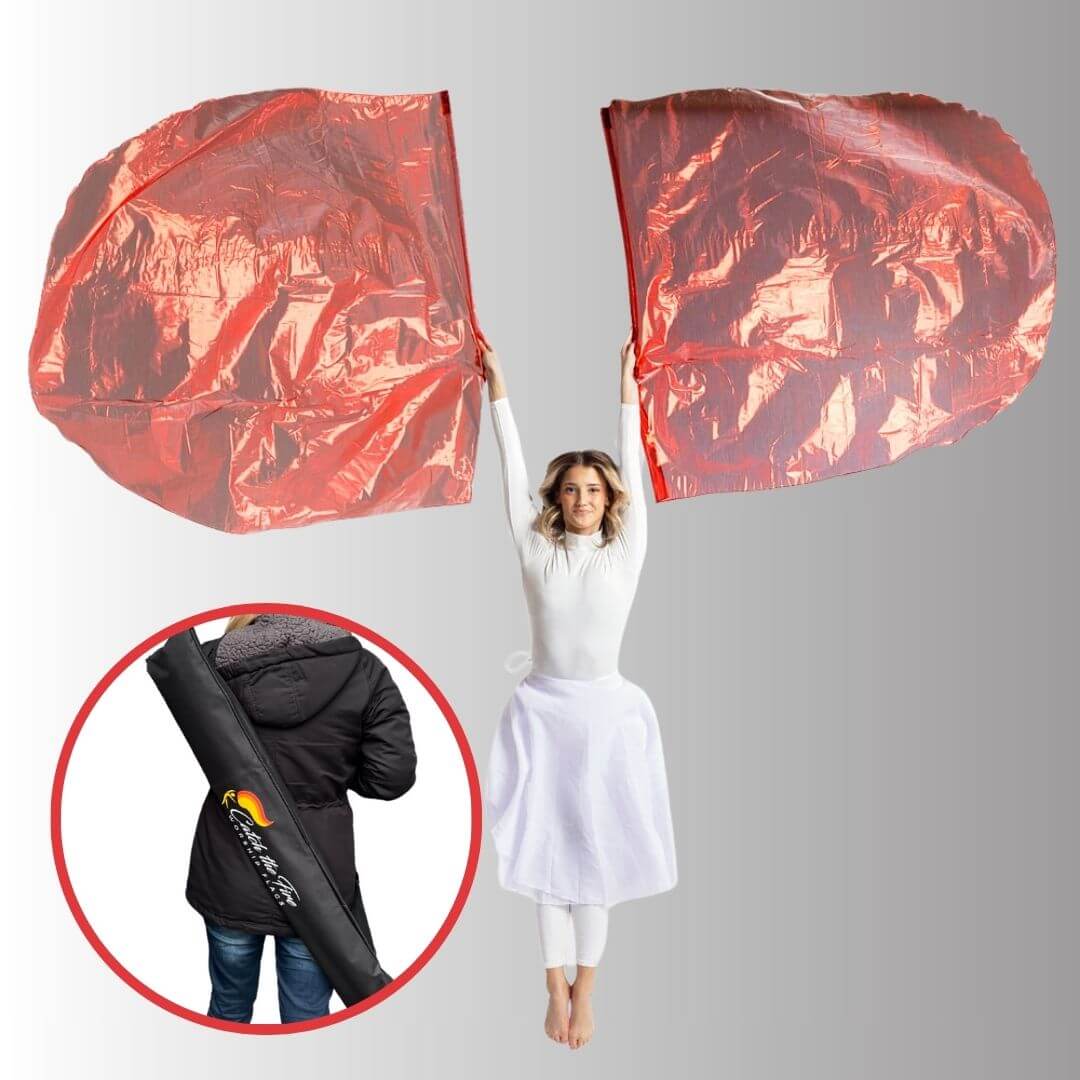
Worship flags function the way David's musicians did: they make private worship visible and help usher a room into God's presence. Flags such as the Anointed worship flags or the Throne Room Collection extend that same picture into a worshipper's own space today.
How can a worshipper apply David's example today?
Start where David started: alone, honest, and unhurried. Worship doesn't need an audience to be valid, and the private moments are often what shape what happens later in public. A worship flag, a psalm read aloud, or a few quiet minutes with Scripture can all serve the same purpose David's harp served: making space for God's presence before there's a stage, a service, or anyone else in the room to witness it.
Catch the Fire Worship Flags is a global pioneer in prophetic flag worship, empowering flagging ministers around the world with handcrafted flags, biblical teaching, and Spirit-led tools for personal worship. Founded in 2011, we remain the original online resource for worship flags that shift atmospheres and deepen intimacy with God. We offer a wide selection of handcrafted worship dance flags for those who are called to flag... whether through prophetic movement, personal worship, or dance ministry. Our premium collection includes sheer, shimmer, metallic, and multi-layer flags designed for church services, street ministry, stage choreography, and dance performance. If you feel called to flag and are drawn to worship through movement, you're in the right place.