Skip to content


There's something that happens when a child worships with their whole body: hands raised, feet moving, heart wide open. It isn't performance. It's ministry, even in small, uncoordinated hands.
Worship flags give children a way to respond to God with more than words. Taught with intention, that response can shape how they encounter Him for the rest of their lives.
- Why Children Are Made to Worship With Their Whole Bodies
- Is Teaching Kids to Flag Biblical?
- Start With Simple, Symbolic Colors
- How to Teach Flag Worship to Kids
- Choosing the Right Flag for Small Hands
- Worship as a Family Rhythm
- Frequently Asked Questions
If you're just getting started with worship flags yourself, our free Getting Started guide walks you through the basics before you teach anyone else.
Why Children Are Made to Worship With Their Whole Bodies
Children move first and explain later. Ask them to sit still through a song and most will struggle. Ask them to dance, twirl, or leap, and it barely takes an invitation.
A worship flag gives that movement purpose. Instead of telling a child to be quiet and calm down, a flag hands them a way to participate. Worship stops being something they watch adults do and becomes something they do themselves.
Scripture treats children's praise as legitimate, not just cute. The Psalms describe praise from the mouths of children and infants as something God Himself ordained (Psalm 8:2), and Jesus quoted that same psalm to defend children worshipping loudly in the temple (Matthew 21:16).
That's a strong foundation to teach from:
- A child's praise has power.
- God delights in their worship.
- Movement can be a form of prayer.
None of that requires them to grow up first.
What a child practices young becomes instinct later. A child who learns to bring their whole body into worship at six is far less likely to see worship as an audience activity at sixteen. You're not just filling an afternoon. You're shaping a default posture toward God that can outlast a season of doubt or distraction down the road.
Is Teaching Kids to Flag Biblical?
Parents often ask this before anything else, and it's a fair question. Introducing a physical object into worship can feel unfamiliar if you didn't grow up with it.
Banners and physical response were part of Israel's worship, not a modern invention. The tribes camped and marched under identifying banners (Numbers 2), and one worshipper wrote of resting under God's banner as an expression of His love (Song of Songs 2:4).
A flag in a child's hand continues that same lineage. It's not a prop. It's a physical way to agree with what God is already doing in their heart.
If you want the fuller biblical case for worship flags, our post on Are Worship Flags Biblical? unpacks the Hebrew and Greek background in more depth.
Start With Simple, Symbolic Colors
If you're just beginning to teach flag worship to children, start small. One flag. One color. One purpose.
Colors hold biblical meaning in Scripture, and children are naturally drawn to symbolism. Explaining that red points to the blood of Jesus, or that gold points to His glory, deepens their understanding without losing their imagination.
Here are three beginner-friendly worship flags for children, the same three colors that make up the foundational trilogy most worshippers start with:
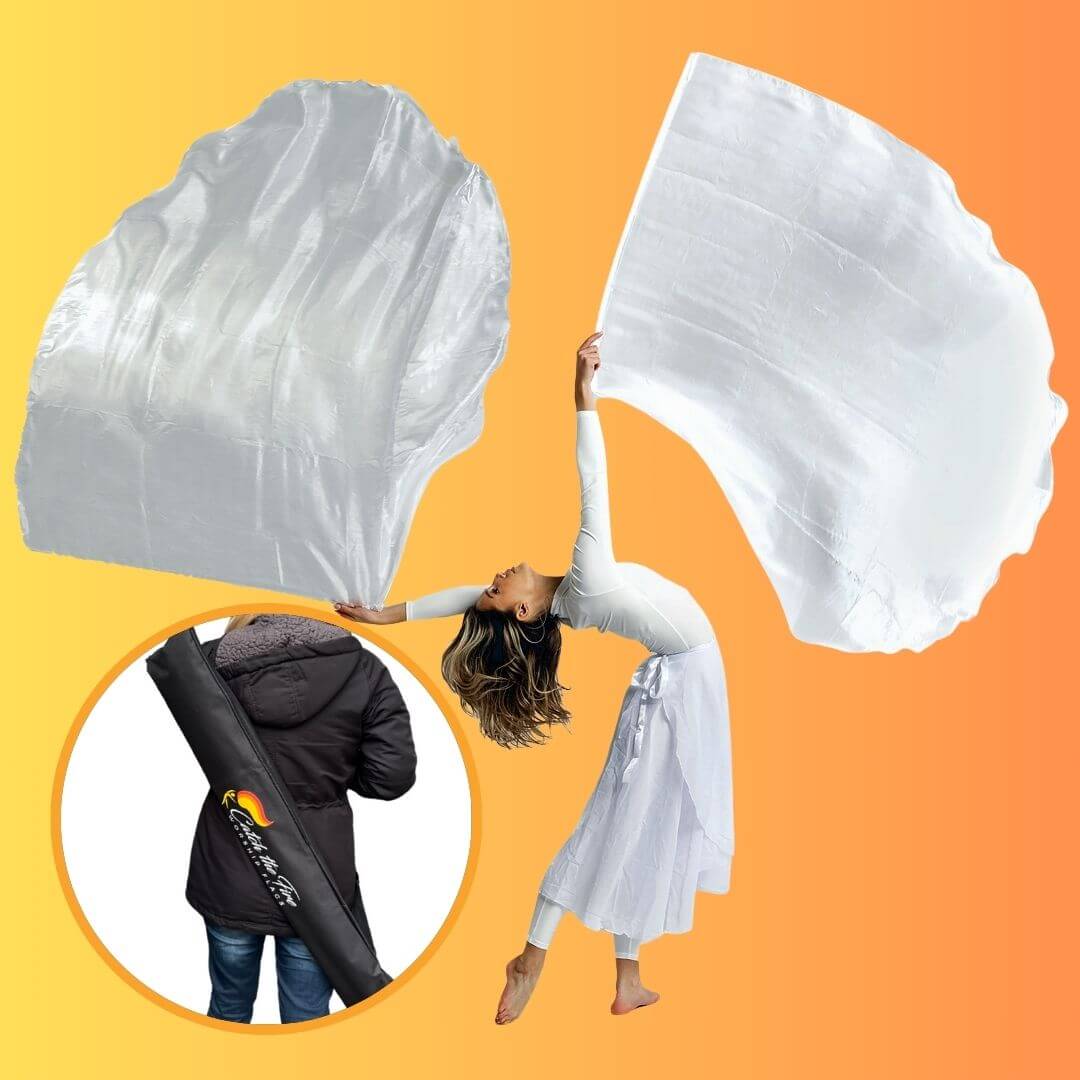
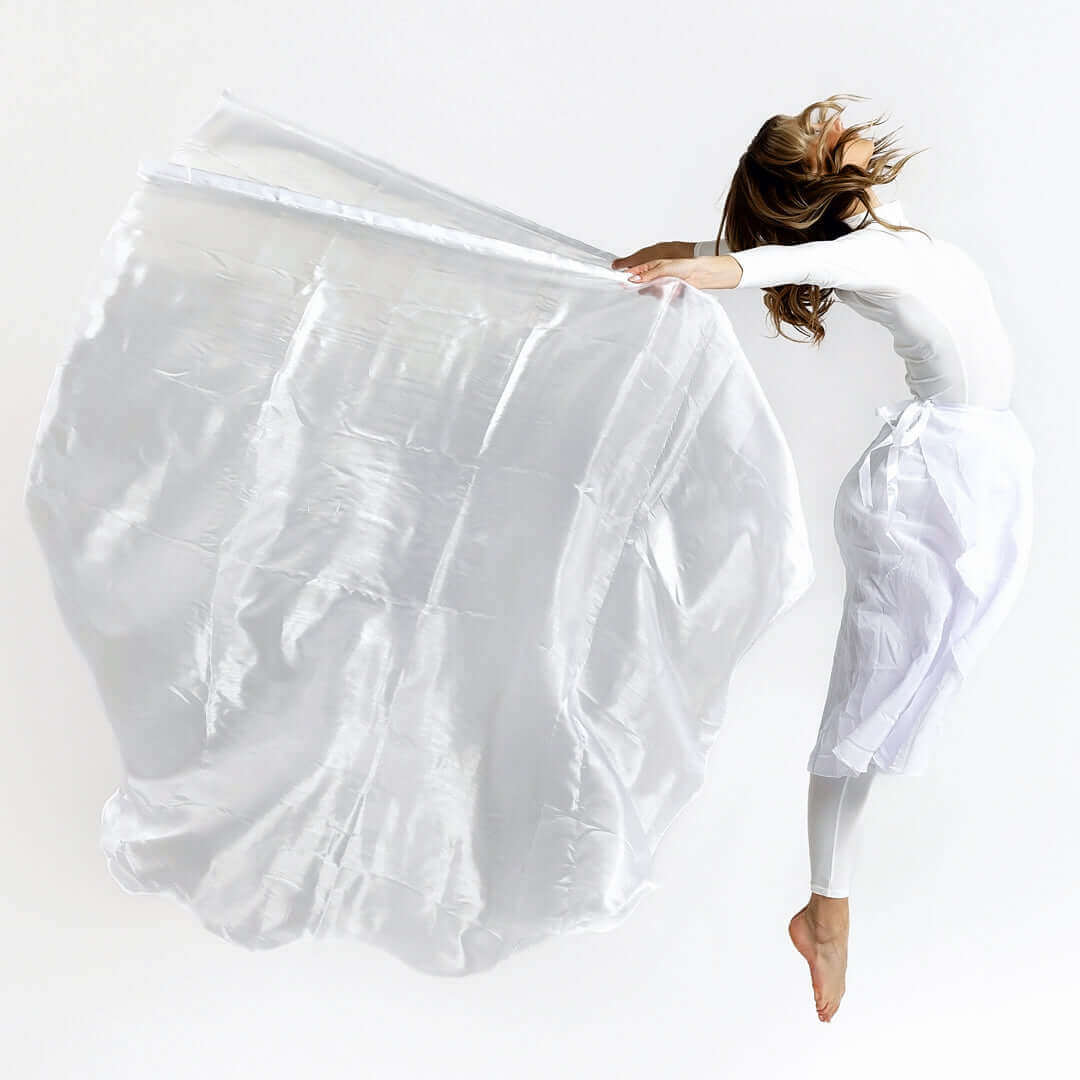
- White Shimmer: purity, surrender, and new beginnings. Lightweight and calming for small hands.
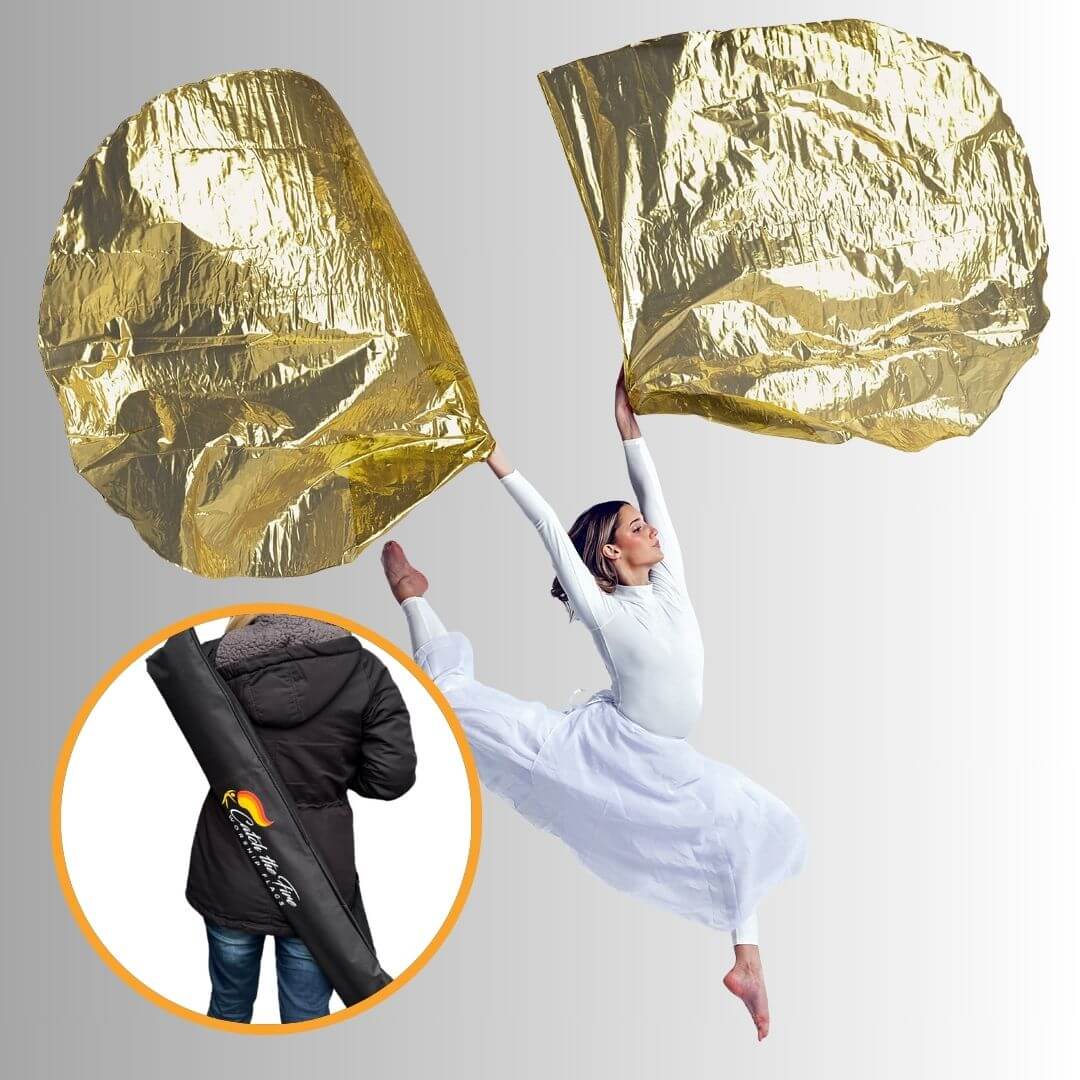
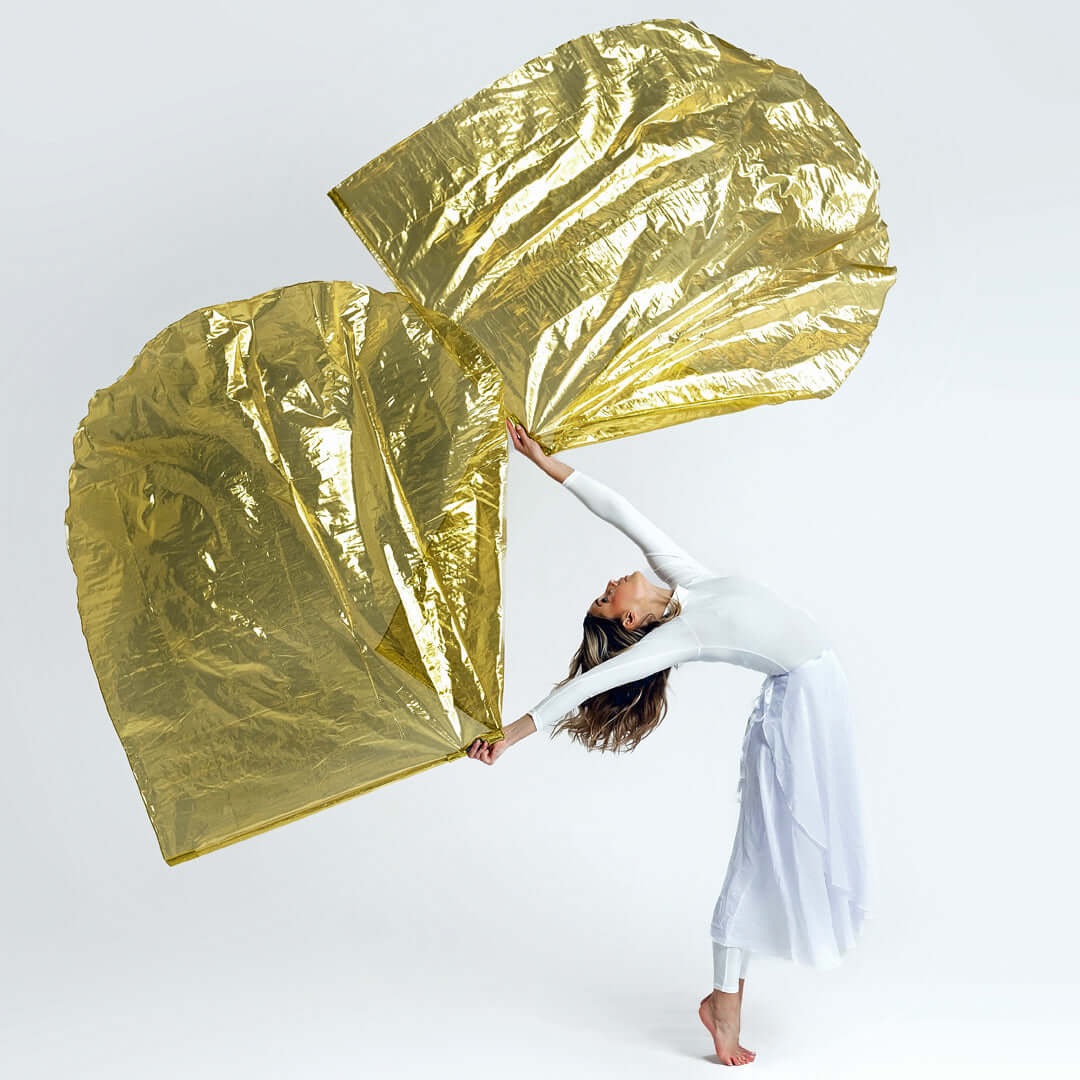
- Gold Metallic: God's glory and kingship. Children love how it catches the light.
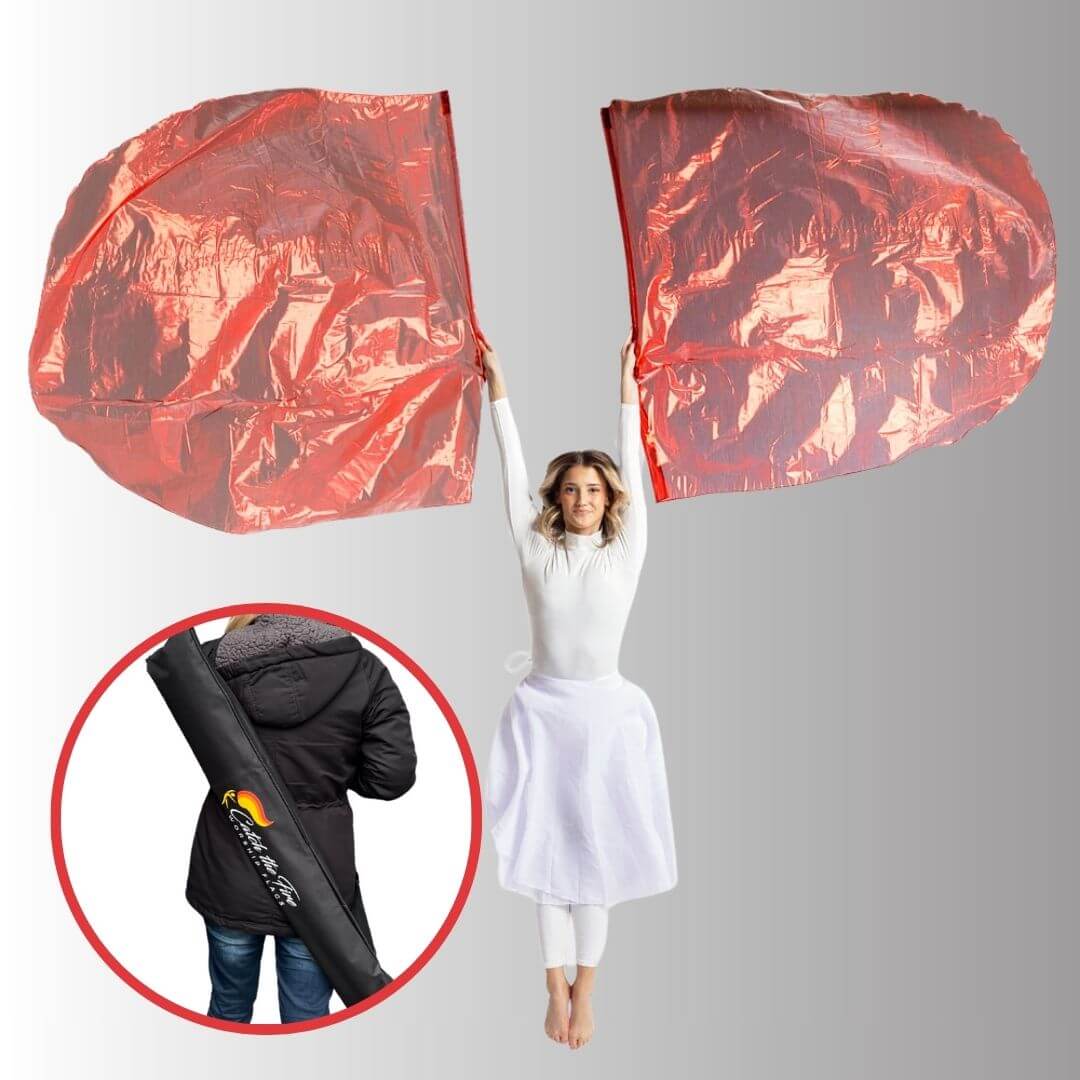
- Red Metallic: the love, sacrifice, and power of Jesus, in a bold color kids respond to quickly.
All three flow easily and are simple for little hands to hold and move. You'll find these and other beginner options in our single layer worship flags collection.
If you'd rather not choose just one, each of these three colors also comes as a flag-and-bag bundle, so your child's first worship flag arrives with somewhere safe to keep it. It's a simple way to start a child's own small collection without overthinking the decision.
How to Teach Flag Worship to Kids
You don't need a dance background or a formal curriculum to begin. All you need is a heart to worship and a willingness to invite kids in.
Create a Safe, Judgment-Free Space
Kids need to know there's no wrong way to worship with a flag. Encourage full freedom, and set simple boundaries for safety and respect, like leaving room around each child so flags don't tangle or catch a sibling by surprise.
Introduce the Biblical Meaning Simply
Keep the teaching short. Explain the color they're holding in one or two sentences, not a full Bible study. Kids retain a single clear picture better than a paragraph of explanation.
Keep Sessions Short and Sweet
Children's attention spans are short, so start with five minutes and build from there. Use music they already know and love, so the flag adds to something familiar instead of competing with something new.
Celebrate Their Praise, Not Their Technique
When a child worships sincerely, even if it's loud or a little chaotic, celebrate it. Their heart posture matters more than clean movement, and correcting form too quickly can shut down the very freedom you're trying to teach.
Choosing the Right Flag for Small Hands
A flag that's too heavy or too large will tire a child out before the worship does. Single layer flags are the best starting point. They're lightweight, flow easily, and don't require strength or technique to move well.
As a child grows more confident, a double layer flag can add a little more visual weight and dimension without becoming difficult to manage. There's no need to rush that step. Let their interest, not a timeline, decide when they're ready for more.
As a rough guide, a flag close to a child's own height or a little shorter gives them enough fabric to see the color move without so much length that it drags or trips them up mid-song. Older kids and preteens can usually handle a slightly larger flag than a toddler can, but comfort matters more than size. A flag they can move confidently will always outperform a bigger one they're afraid to swing.
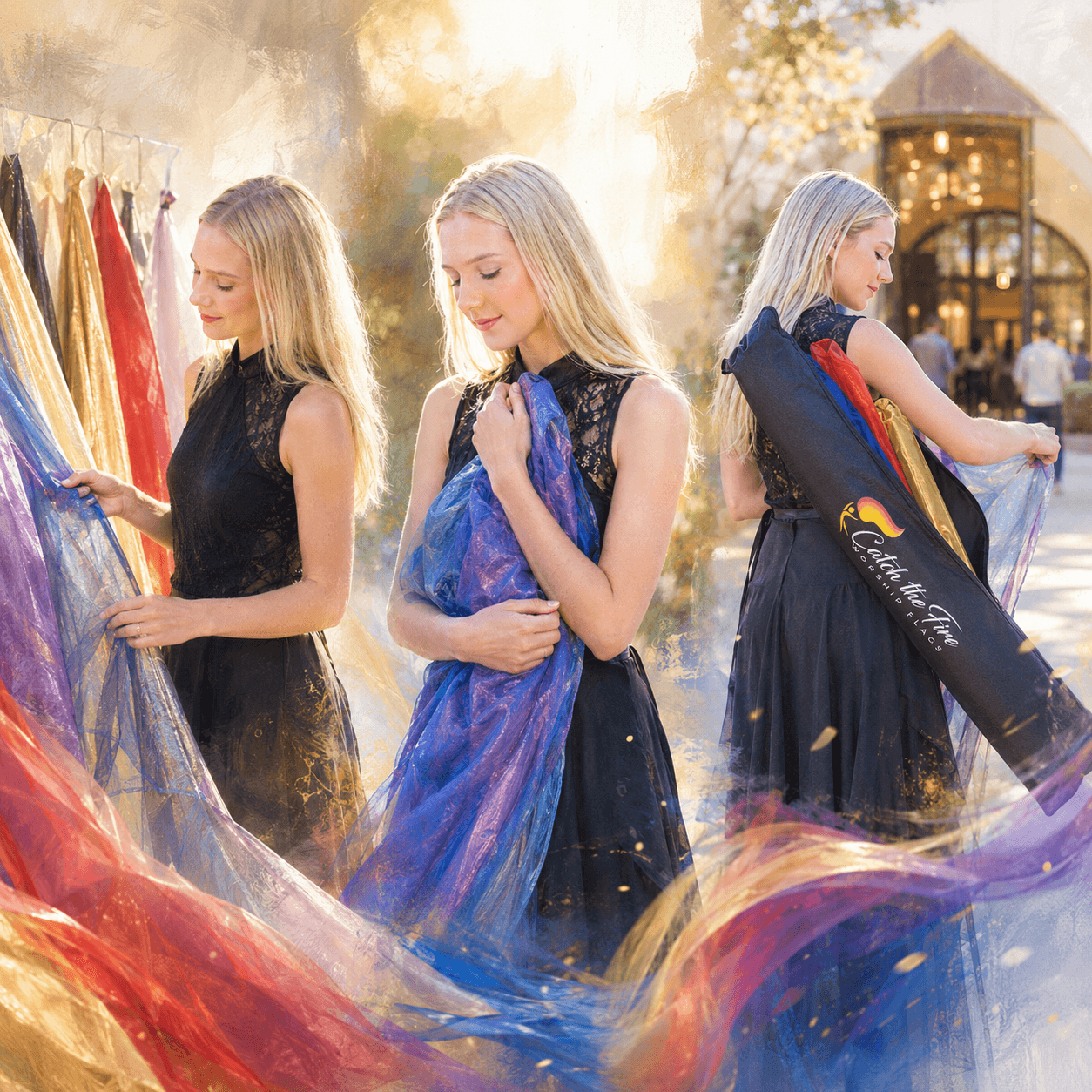
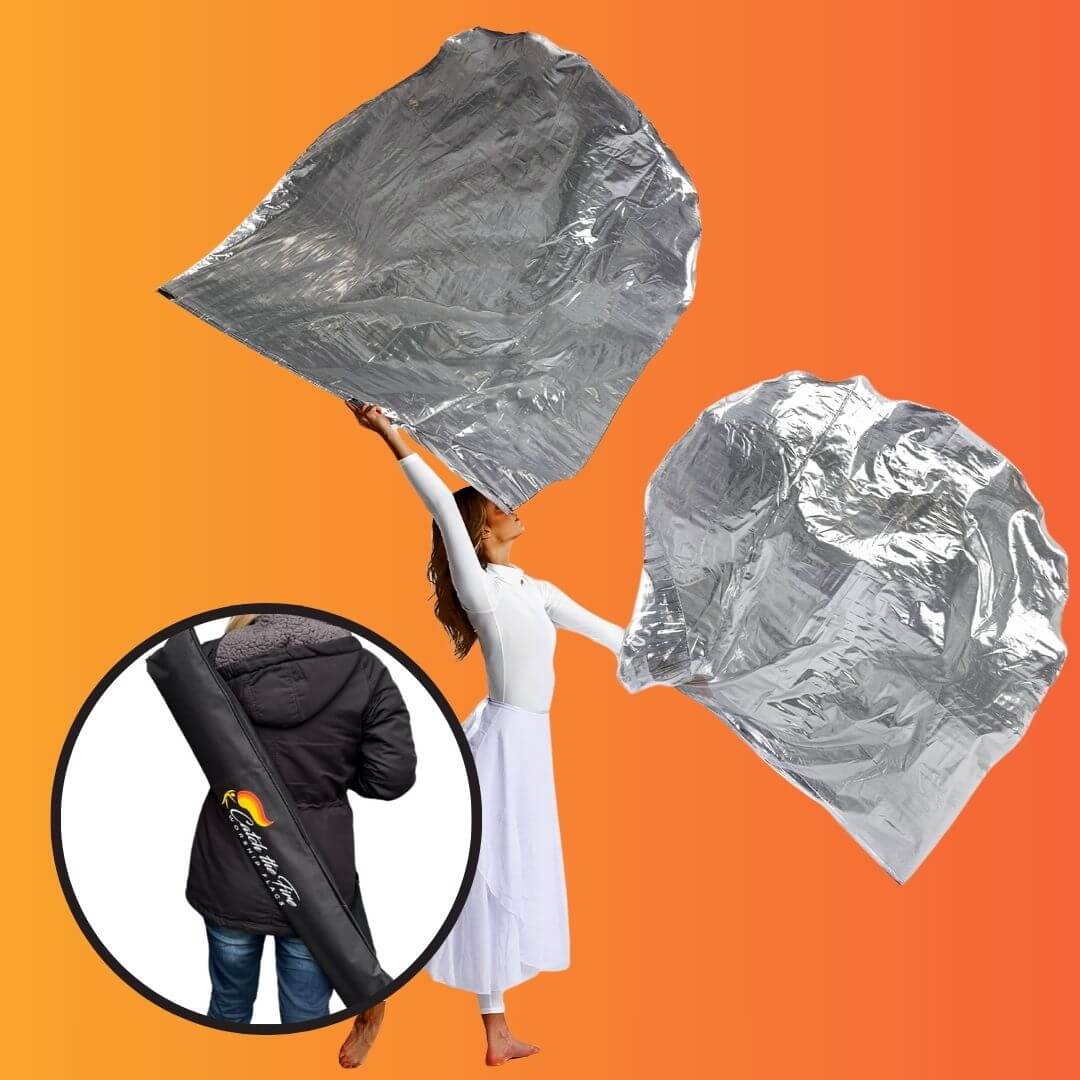
Once a child has a flag they love, a dedicated storage bag keeps it from getting tangled, torn, or lost between uses, which matters more with kids than with adults. Our flag storage bag is sized to protect a single flag between worship times at home or church, and it gives a child a sense of ownership over their own worship tool.
Worship as a Family Rhythm
Teaching kids to worship with flags isn't only for church classrooms. It belongs in homes, backyards, and family devotion time just as much.
Worship together. Choose a song, hand out flags, and let your children see you worship without holding back. They'll follow your lead more than they'll follow your instructions.
A flag doesn't need a stage to matter. A living room on a Tuesday night, a backyard on a Saturday morning, or two minutes before bedtime prayers are all real worship, and children absorb that as easily as they absorb a Sunday service.
Even a worship playlist on a long car ride can become a flag moment once you're home, with kids acting out what they sang along to in the back seat. The setting matters far less than the consistency. A family that worships together in small, ordinary moments raises children who expect God to show up in ordinary moments too.
One day, when their faith is tested or their heart feels dry, they'll remember how worship with a flag once lifted their eyes back to Jesus.
Before you go, here's 10% off your first worship flag, including anything you pick out for your family.
Frequently Asked Questions
What age can children start using worship flags?
There's no minimum age written anywhere. Many parents introduce a small flag around age three or four, once a child can safely move it without losing balance. Follow the child's coordination and interest more than a specific number.
Is it biblical to teach children to worship with flags?
Yes. Scripture affirms children's praise directly (Psalm 8:2, Matthew 21:16), and physical response in worship, including banners, appears throughout the Old Testament (Numbers 2). Teaching a child to flag continues a worship practice with real biblical roots, not inventing one.
What's the best worship flag color for kids to start with?
White, gold, and red are the most common starting point. They're simple to explain (purity, glory, and the blood of Jesus), visually vivid, and pair well with almost any worship song.
How long should a kids' flag worship session be?
Five to ten minutes is plenty to start. Children disengage quickly once something starts to feel like an obligation rather than a response, so shorter and more frequent beats longer and rare.
Can worship flags be used at home, not just at church?
Yes, and home is often the best place to start. Family devotion time gives a child room to worship without an audience, which usually makes the first few tries easier for both the parent and the child.
What if my child seems more interested in playing with the flag than worshipping with it?
That's normal, especially the first few times. Let them explore the flag through play before you introduce structure. Curiosity is often the doorway into worship for a child rather than a distraction from it, and most kids move from play into genuine response once the novelty settles.
A flag in a child's hand doesn't need to be perfect to matter. It just needs to be an invitation into something bigger than themselves, and that's an invitation worth making early.
Catch the Fire Worship Flags is a global pioneer in prophetic flag worship, empowering flagging ministers around the world with handcrafted flags, biblical teaching, and Spirit-led tools for personal worship. Founded in 2011, we remain the original online resource for worship flags that shift atmospheres and deepen intimacy with God. We offer a wide selection of handcrafted worship dance flags for those who are called to flag... whether through prophetic movement, personal worship, or dance ministry. Our premium collection includes sheer, shimmer, metallic, and multi-layer flags designed for church services, street ministry, stage choreography, and dance performance. If you feel called to flag and are drawn to worship through movement, you're in the right place.