Skip to content


A banner isn't lifted by accident. In Scripture, a banner marks who you belong to and who leads you into battle. Moses raised an altar after Israel's first victory and called it by a name that still stands over every worship flag lifted today.
And Moses built an altar and called its name, The LORD is my Banner. ~Exodus 17:15
Long before the fabric or the design, a worship flag exists to be the same kind of banner. Lifted high enough to be seen. Held steady enough to mean something. Not dragged, not tangled, not fought against with tired arms.
This matters more now than it used to. Angel wing styles, curved cuts, and long tails have become the standard shape of a worship flag, and that shape calls for proper form... not because the fabric demands it, but because an anointed tool deserves to be held with honor.
Get the hold right, and the flag moves light and sweeping instead of wearing out your arms.
Our free Getting Started with Worship Flags guide walks through the basics before you ever unbox your first flag.
Jump to:
- A Worship Flag Is a Banner First
- Why the Shape of a Modern Worship Flag Changes the Grip
- How to Hold Angel Wing Worship Flags
- Why This Matters for Your Worship, Not Just Your Arms
- Why the Tail Goes Down
- Watch the Demo Video
- Recommended Flags for This Next Step
- FAQs
A Worship Flag Is a Banner First
Scripture uses two Hebrew words for banner, and both shape what a worship flag is for. Nes is the personal rally sign, a signal lifted high for everyone to see, tied to the story of Moses and the altar in Exodus 17. Degel is the tribal standard, the banner that marked where each family camped in the wilderness (Numbers 2:2).
Song of Songs uses degel a different way. It ties a banner to love instead of battle, and marks belonging instead of position.
He brought me to the banqueting house, and his banner over me was love. ~Song of Songs 2:4
A worship flag holds both threads at once. It's Jehovah Nissi lifted over a situation or atmosphere that needs a rally point. It's also His banner of love, held simply because you belong to Him. Neither one works if the banner drags on the ground.
This is why grip and tail position aren't just technical details tucked under a how-to heading. A banner that's fighting your arm the whole time pulls your attention off Him and onto the fabric.
Get the hold right, and the flag stops being something you manage. It becomes something Holy Spirit moves through, and your hands are free to stay present in personal worship instead of correcting a tangle mid-song.
Why the Shape of a Modern Worship Flag Changes the Grip
Worship flags used to be mostly rectangles. Simple, flat, uniform, easy to grip anywhere along the pole. As the flagging movement grew, worshippers wanted more than a banner to hold still. They wanted flow, movement that felt like flight.
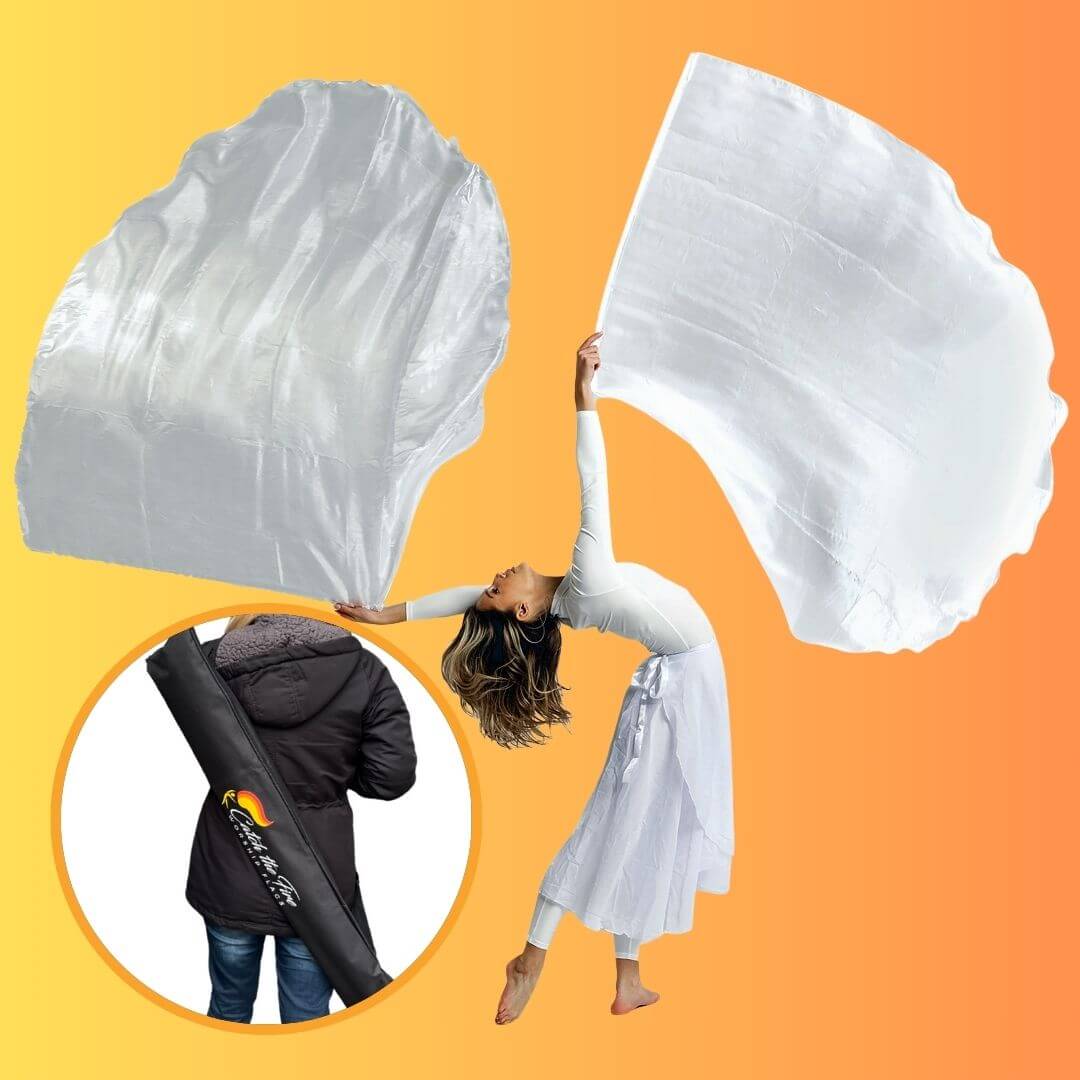
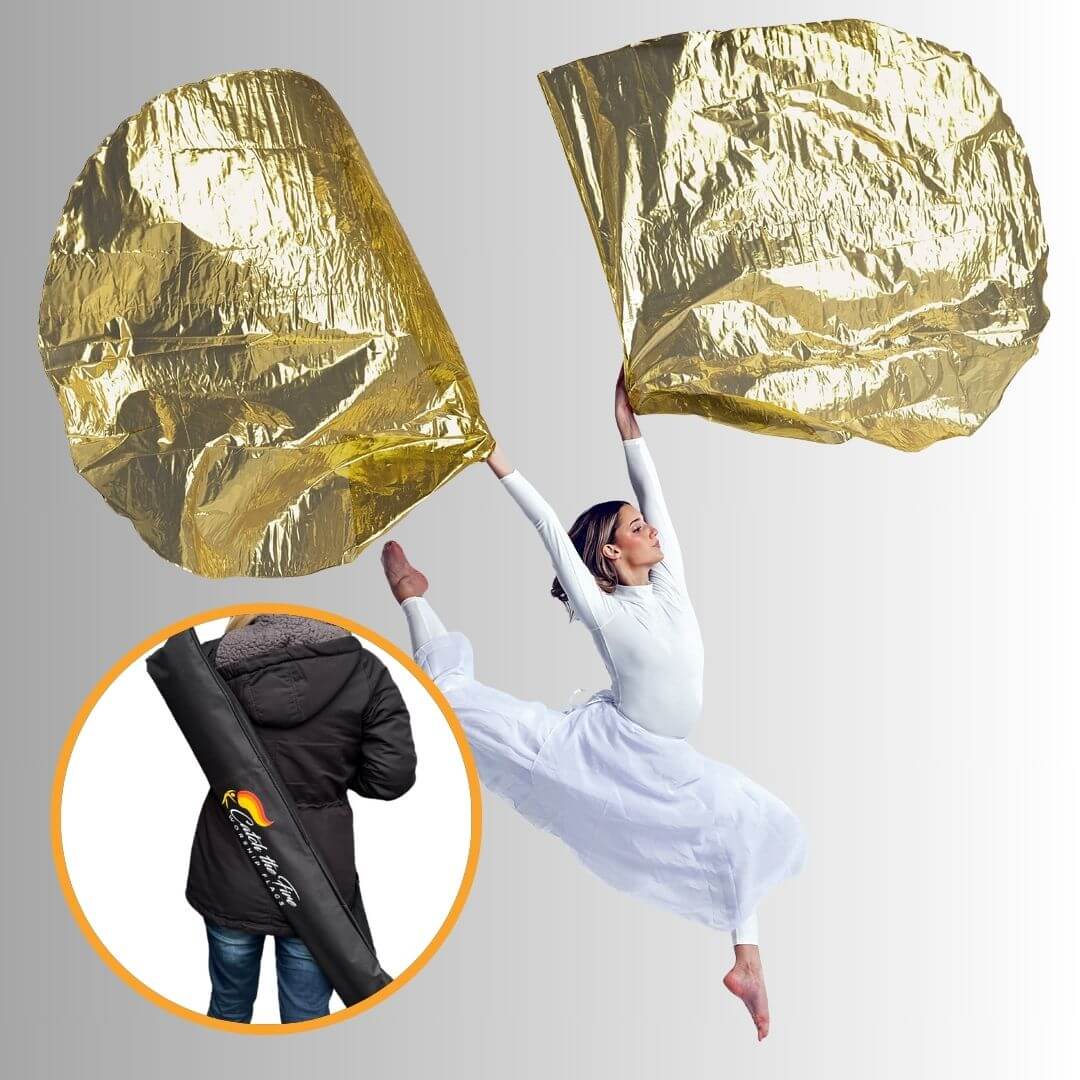
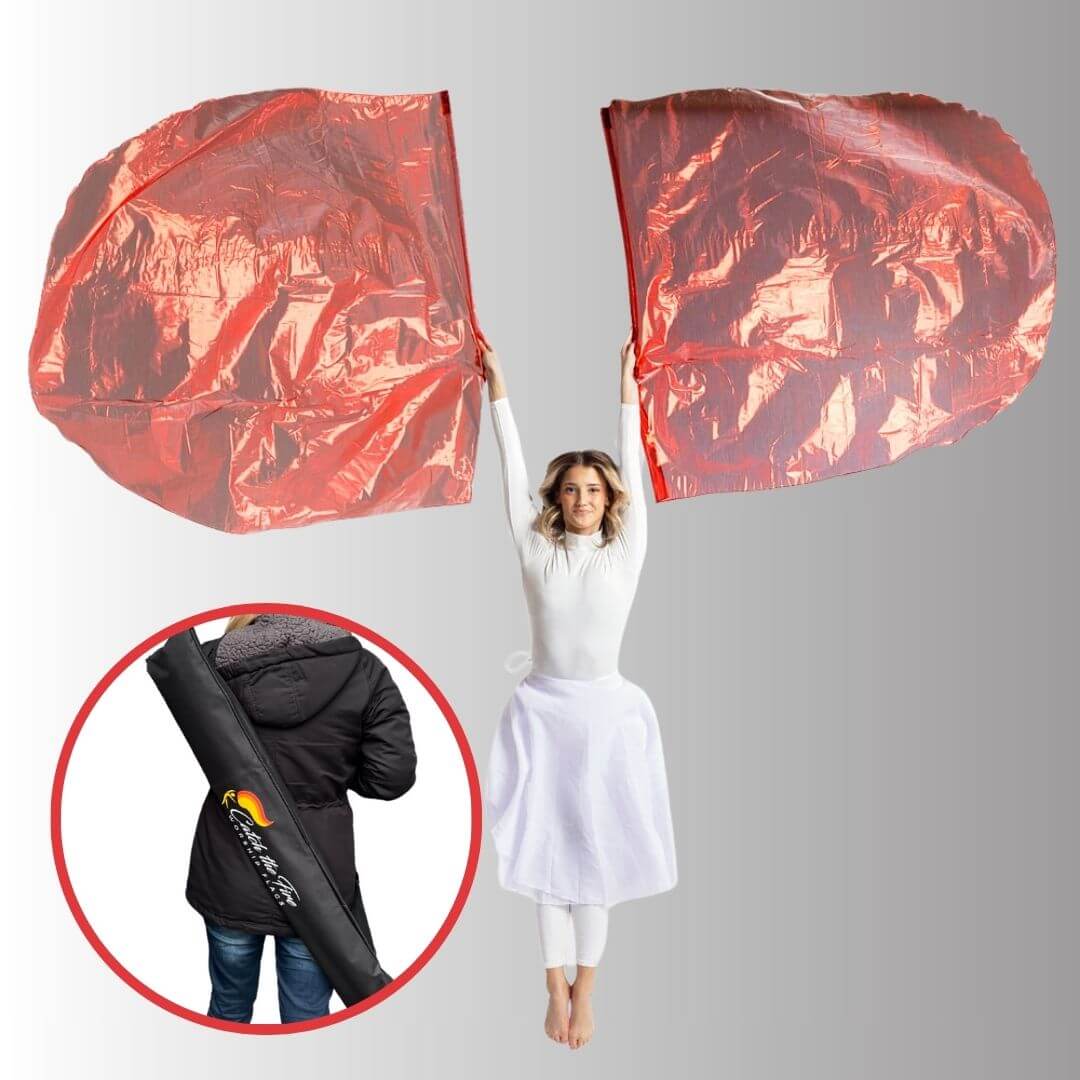
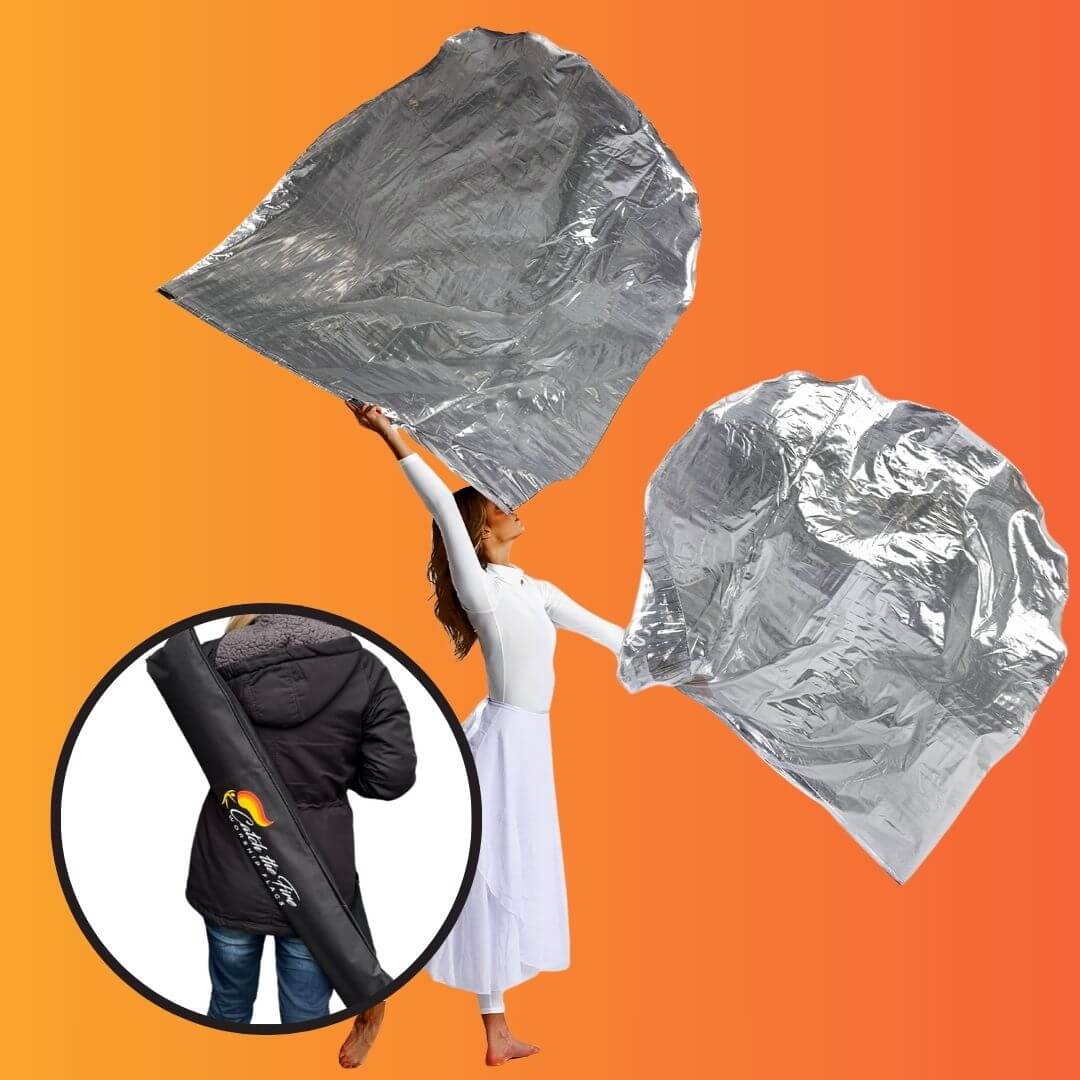
That's how the angel wing worship flag came to be. At Catch the Fire Worship Flags, our signature design pairs a 36-inch pole with 54 inches of fabric, leaving an intentional tail that trails behind your movement.
How to Hold Angel Wing Worship Flags
The correct way to hold a worship flag is with the tail pointing down.
- The pole goes in your hand.
- The tail (the longer length of fabric) flows downward as you lift your arm.
- The Catch the Fire Worship Flags logo sits right where your hand should grip the pole. Keep it covered.
Hold the flag upside down, tail up, and it drags. It resists your movement, it tangles, and it tires your arms far sooner than they should. A worship flag is created to soar, not to strain against your own arm.
Why This Matters for Your Worship, Not Just Your Arms
Tired arms end a worship set early. That's the practical cost of the wrong grip. But there's a quieter cost too... a flag that fights you keeps part of your attention on the fabric instead of on Him.
Personal worship works best when your hands stop thinking. When the grip is correct, you're not managing a tangle or repositioning your hold every few counts. The movement becomes automatic, and your attention stays where it belongs: on the presence of God, not the mechanics of the flag in your hand.
Flagging ministers who lead worship for longer sets, whether on a platform or alone in a prayer closet, notice this first. A five-minute song shouldn't cost you the last two minutes to arm fatigue. Get the hold right at the start, and the whole set stays open for whatever Holy Spirit wants to do in it.
Why the Tail Goes Down
Worship Flags Move Like Wings
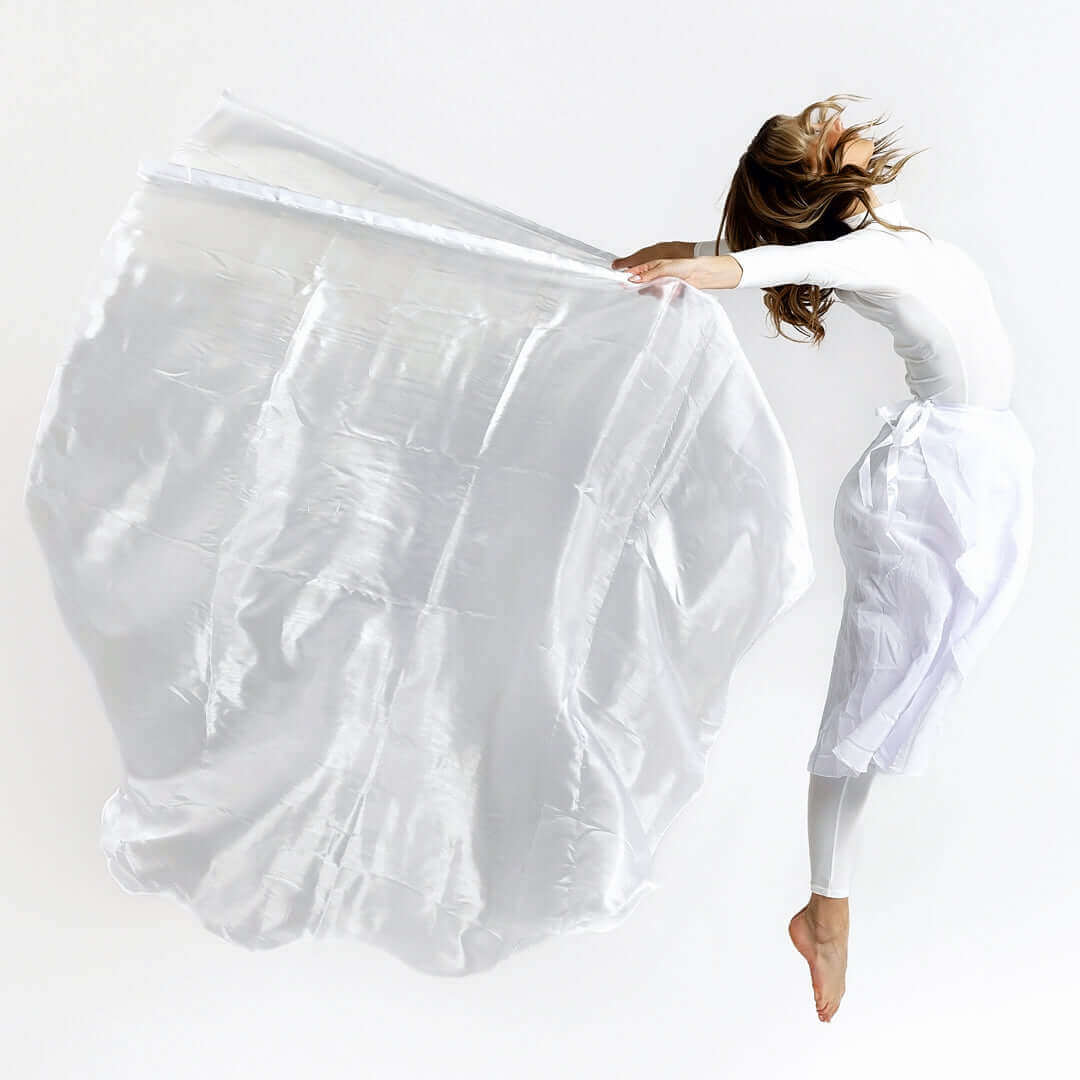
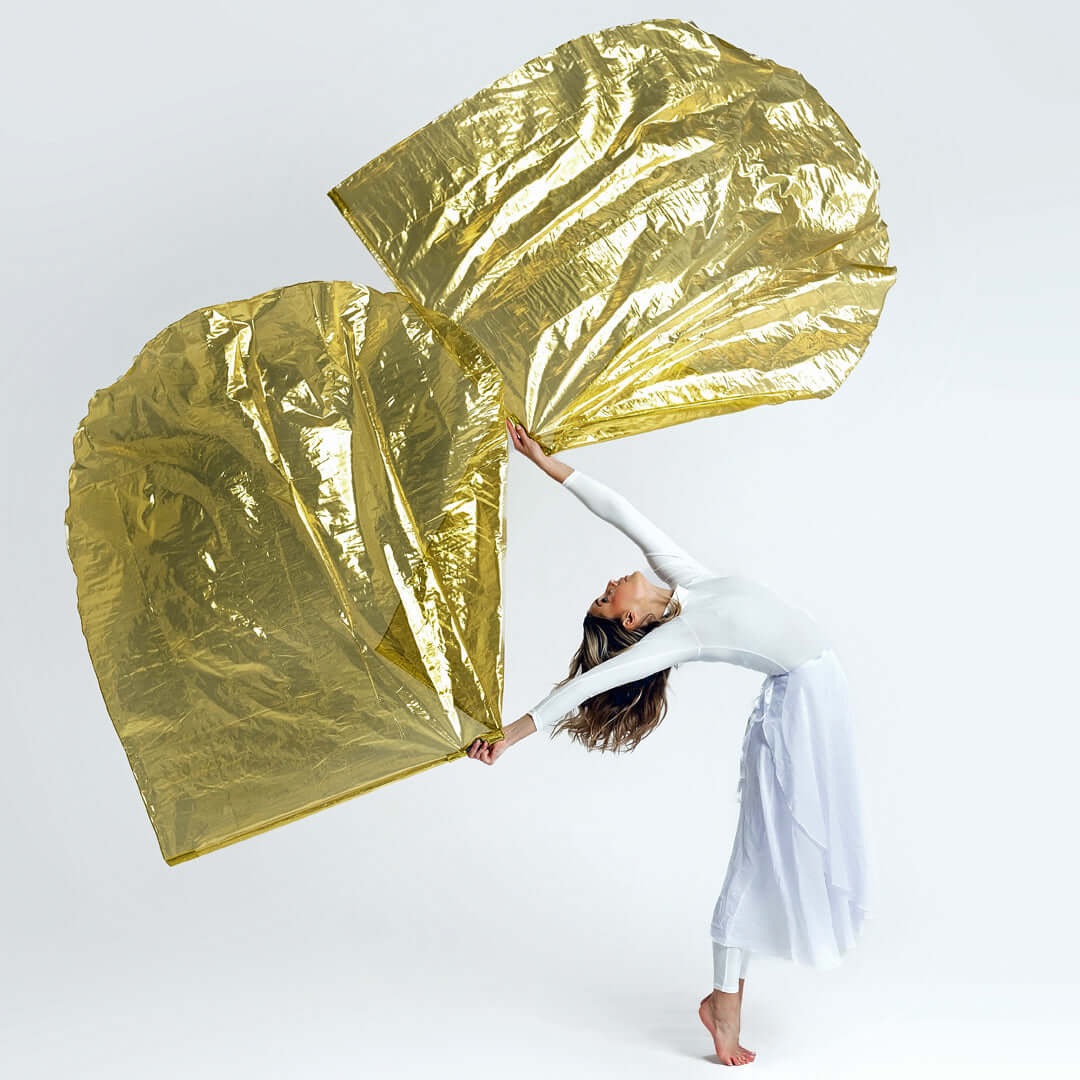
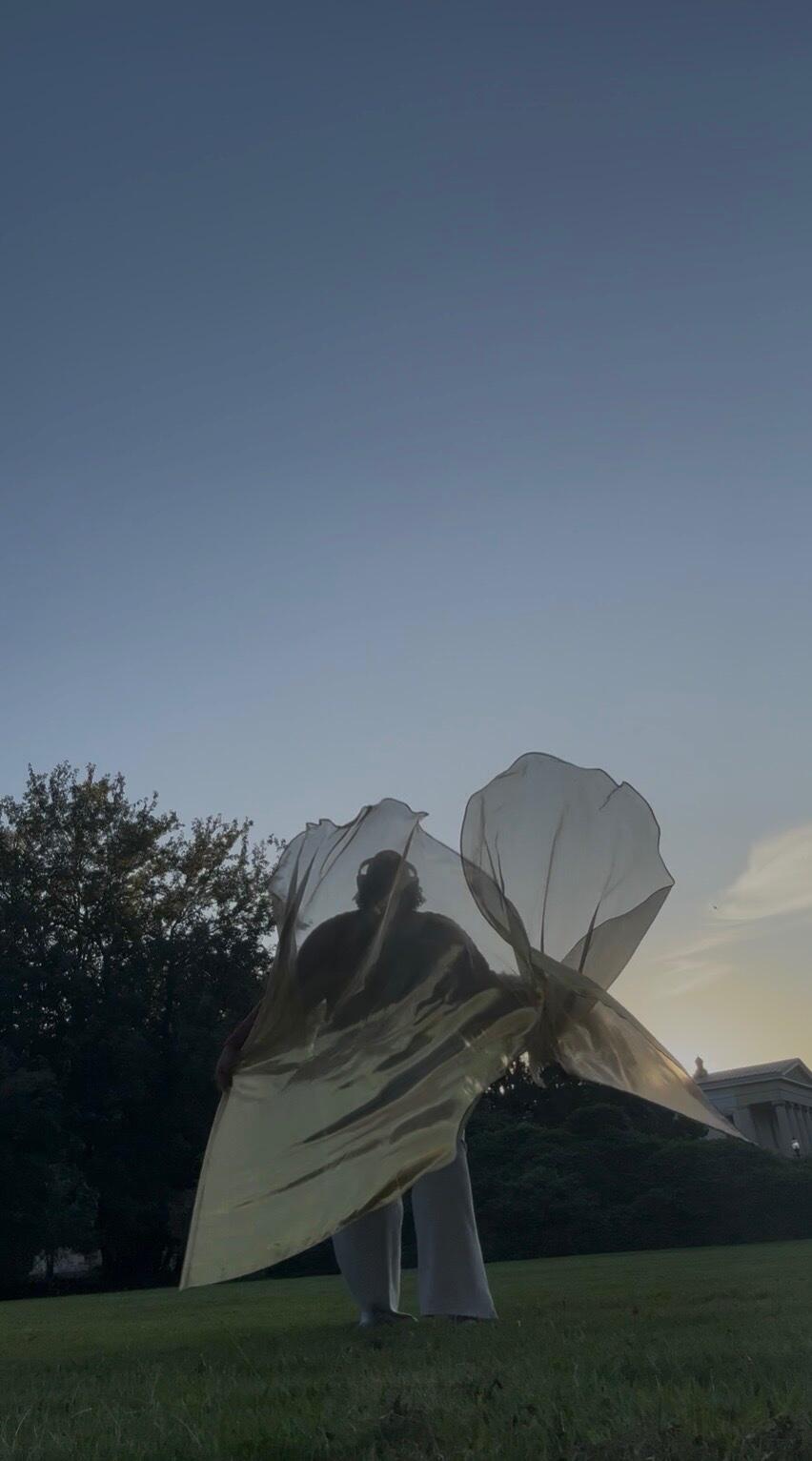
Angel wings curve downward and lift in arcs. They aren't stiff rectangles, and the tail completes the arc. It gives a worship flag its sweeping, wing-like flight through the air.
Hold the tail at the top, and the arc breaks. The flag looks awkward and moves clunky. Hold the tail down, and it glides the way worship is meant to move.
The Aerodynamics of a Lifted Banner
Even praise has physics behind it. A tail held low catches the air. A tail held high fights it.
That resistance forces your arm to work harder and burns through your strength fast. Hold the tail down instead, and the drag drops immediately. You'll feel the difference in the first 30 seconds of use.
The Logo Is Your Guide
Every worship flag from Catch the Fire Worship Flags includes a small logo placed right where your hand should rest on the handle. That placement isn't random.
When you worship, the last thing you need is a visible distraction on the pole. The logo stays hidden beneath your grip so your focus stays on Him, not the equipment in your hand.
Let the logo be your guide. If you can see it while you worship, the flag is upside down.
Watch the Demo Video
This short video walks through the grip, shows you how to identify the tail, and corrects the most common mistakes new hands make with an angel wing flag. It's a quick, practical companion to everything above.
Watch How to Hold Worship Flags on YouTube
Recommended Flags for This Next Step
A lighter flag makes this technique easier to feel in your hand while your grip and arm strength are still adjusting. The Single Layer collection offers the least resistance in the air and the most flow for the effort, which makes it the easiest place to feel the tail-down hold click into place.
Once the grip feels natural, a heavier double or triple layer flag adds more fullness and drama to your movement without changing anything about how you hold it. Ready to explore the full range of angel wing designs? The Best Sellers collection features the styles flagging ministers return to again and again.
FAQs
What if I'm left-handed?
The grip works the same whether you lead with your left hand or your right. Mirror the hold and keep the tail pointing down no matter which hand you use.
Do I need to switch hands during worship?
You can alternate hands during a longer set to ease fatigue, though it isn't required. A lightweight flag held with the correct grip lets most flagging ministers use one hand through an entire song without strain.
How do I tell which end of the flag is the tail?
Look at the fabric on either side of the pole. The tail is the longer length, and it often curves downward on its own. If you can see the logo on the handle, flip the flag so the label sits under your grip instead.
What if my worship flag doesn't have a long tail?
Shorter, rectangular flags grip anywhere along the pole and don't rely on tail position the same way. The tail-down technique matters most for angel wing styles with an intentional trailing length of fabric.
How long does it take to get used to the correct grip?
Most flagging ministers feel the difference within their first 30 seconds of use. Full comfort, the kind where the grip stops requiring any thought, usually settles in within a session or two.
A banner was never meant to drag. Hold the tail down, keep the logo under your palm, and let the flag do what it was created to do... lift, sweep, and declare, set after set, without your arms cutting the moment short.
Still working out what a worship flag actually is, or where to find the right one to start with? Ultimate Guide to Buying Worship Flags Online walks through what to look for before you buy, and What Are Worship Flags? covers the basics from the ground up.