Skip to content


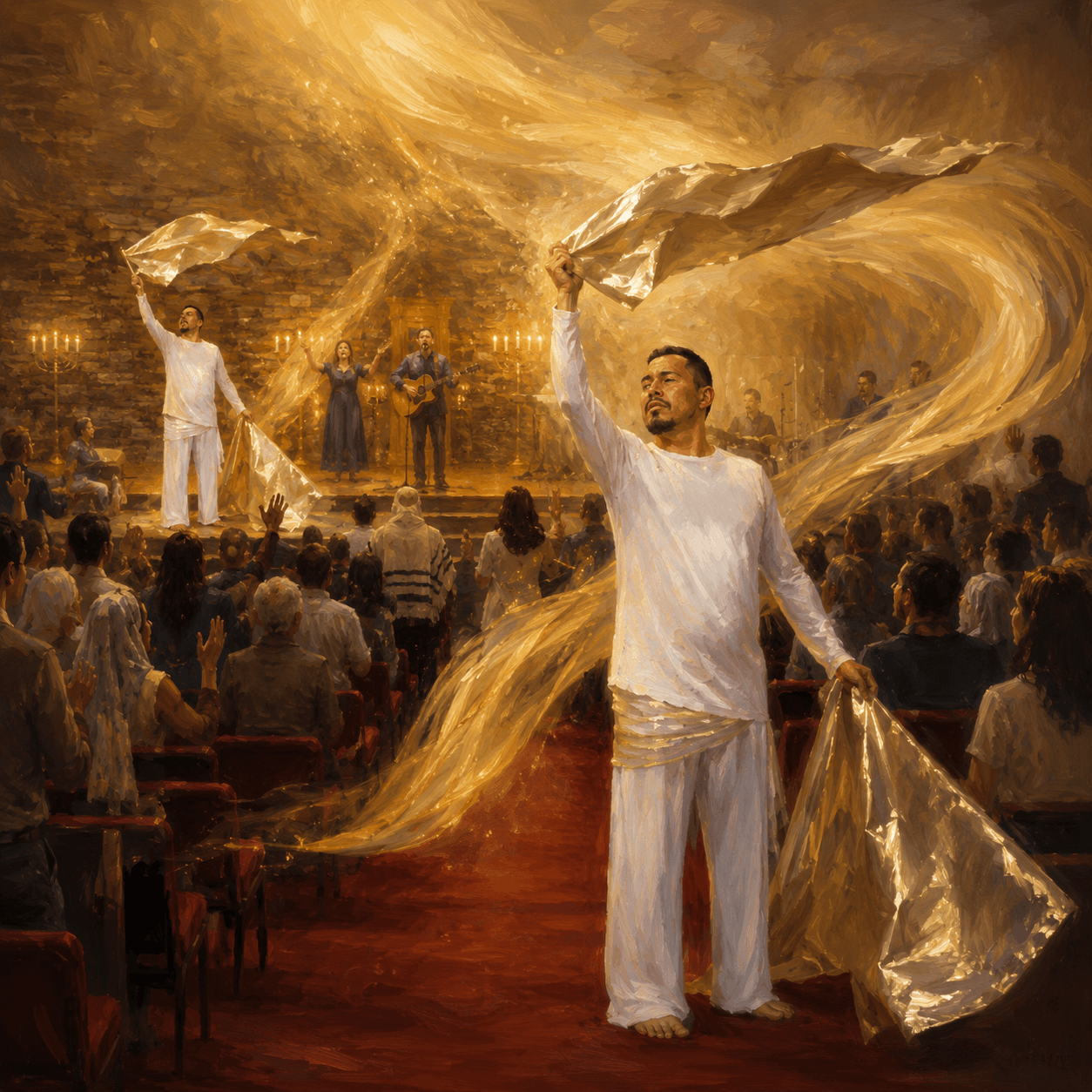
A flagging minister spends months choosing the right worship flag. The color means something. The fabric moves a certain way. The flag has been prayed over more than once.
Then someone asks to borrow it.
Maybe it's a friend visiting from another church, curious about what flagging feels like. Maybe it's a teenager at a youth event who has never held a flag before. Maybe it's someone from a small group who saw flagging in a worship video and wants to try it.
The question comes fast, and so does the hesitation. Is this flag still yours, spiritually, once someone else has used it? Does an anointing wear off, or transfer, or stay put? Scripture never mentions worship flags by name, but it says a great deal about anointing, objects, and contact.
- The Question Every Flag Owner Eventually Faces
- What the Hem of His Garment Teaches About Borrowed Anointing
- When Someone New Picks Up a Flag for the First Time
- The Privilege of Being the One Who Shares
- Parameters Worth Setting Before You Say Yes
- Workshops and Children: Where Extra Care Matters Most
- Frequently Asked Questions
The Question Every Flag Owner Eventually Faces
Worship flags are an investment. Financially, yes, but also spiritually. A flagging minister prays over color choices, considers what a phrase like "authority in prayer" means in practice, and forms a relationship with each flag over time.
So when someone asks to borrow one, the question isn't really about fabric. It's about whether something spiritual travels with the object, and whether handing it over costs the owner something that can't be gotten back.
That question deserves a real answer, not just a feeling. Scripture has more to say about it than most flagging ministers realize.
What the Hem of His Garment Teaches About Borrowed Anointing
In Mark's gospel, a woman had been bleeding for twelve years. She had seen physician after physician and had nothing left to show for it but a body no better than before and money entirely spent.
She had heard about Jesus. She didn't ask Him for a private audience or a personal touch. She reached for the edge of what He was wearing.
She thought, "If I just touch his clothes, I will be healed." ~Mark 5:28
The healing didn't come through conversation. It came through contact with what He wore, in a crowd, without His acknowledgment, until He turned and asked who had touched Him. His own disciples pointed out that a crowd was pressing in from every side. But He knew the difference between people bumping into Him and one woman reaching for Him in faith through fabric that wasn't even His skin.
This is instructive for anyone wondering whether spiritual reality can travel through an object into someone else's hands. It did. Not because the garment held power of its own, but because faith reached through it toward the One who did.
The application to worship flags isn't identical. Nobody is claiming a flag heals disease. But the underlying principle holds: God has always been willing to move through what someone else made, wore, or used, when the person reaching for it comes in faith rather than superstition.
A worship flag someone else made, dedicated, and used in worship offers no less potential in another worshipper's hands than it did in the original owner's. Holy Spirit does not need exclusive custody of an object to work through it.
For more on how a maker's own worship shapes a flag before anyone else ever touches it, see Does the Flag Maker Matter? The Heart Behind the Flags.
When Someone New Picks Up a Flag for the First Time
First-time flag use tends to produce a specific kind of encounter. Someone who has spent years worshipping with only a voice or raised hands suddenly has color and movement added to the mix, and something shifts in the situation or atmosphere around them.
Many flagging ministers trace their own calling back to the first time they lifted someone else's flag, long before they owned one themselves. That moment is often when worship stopped feeling abstract and started feeling physical. A tangible object gave shape to something that had only lived internally before.
That moment doesn't require ownership. It requires access. Someone has to be willing to hand over what they've invested in, at least for the length of a song, so another worshipper can encounter what a flag makes possible.
Withholding that access protects the flag. It also closes a door God may be using to reach someone. The decision to lend isn't neutral. There's something real at stake on both sides of it.
For someone about to hold a worship flag for the first time, a simple starting guide removes the guesswork around movement, color, and where to begin.
The Privilege of Being the One Who Shares
There's a specific kind of joy that belongs to the person who introduces someone else to flagging. It isn't the joy of ownership. It's closer to the joy of a doorkeeper who gets to watch someone walk through for the first time.
Every flagging minister who owns flags today started as someone who had never touched one. Somebody made room for that first encounter, whether through a workshop, a borrowed flag at a conference, or a friend willing to hand theirs over for a single worship set.
Saying yes to a lending request repeats that gift forward. It also means a flag owner isn't just managing a collection of fabric. They're stewarding an opportunity that holds real significance for the person on the receiving end, even if it costs them nothing more than an hour of use.
Parameters Worth Setting Before You Say Yes
Saying yes doesn't mean saying yes without thought. A flag is still a physical object, and physical objects can be damaged, lost, or mishandled regardless of anyone's spiritual intentions.
Before lending a flag, it helps to consider the setting. A quiet prayer room presents different risk than an outdoor conference with wind and a crowd. A one-on-one moment with a mature believer presents different risk than handing a flag to someone in a large group with no instruction at all.
Experience matters too. Someone who has never held a flag benefits from a quick word on grip, where the tail should hang, and how much space the movement needs. This isn't gatekeeping. It's basic stewardship of something that took real time, prayer, and skill to create.
If the setting or the person's experience raises genuine concern about damage or disrespect, it's reasonable to decline, or to offer a lower-value flag instead of a favorite. Saying no to one specific request isn't the same as closing the door on lending as a practice.
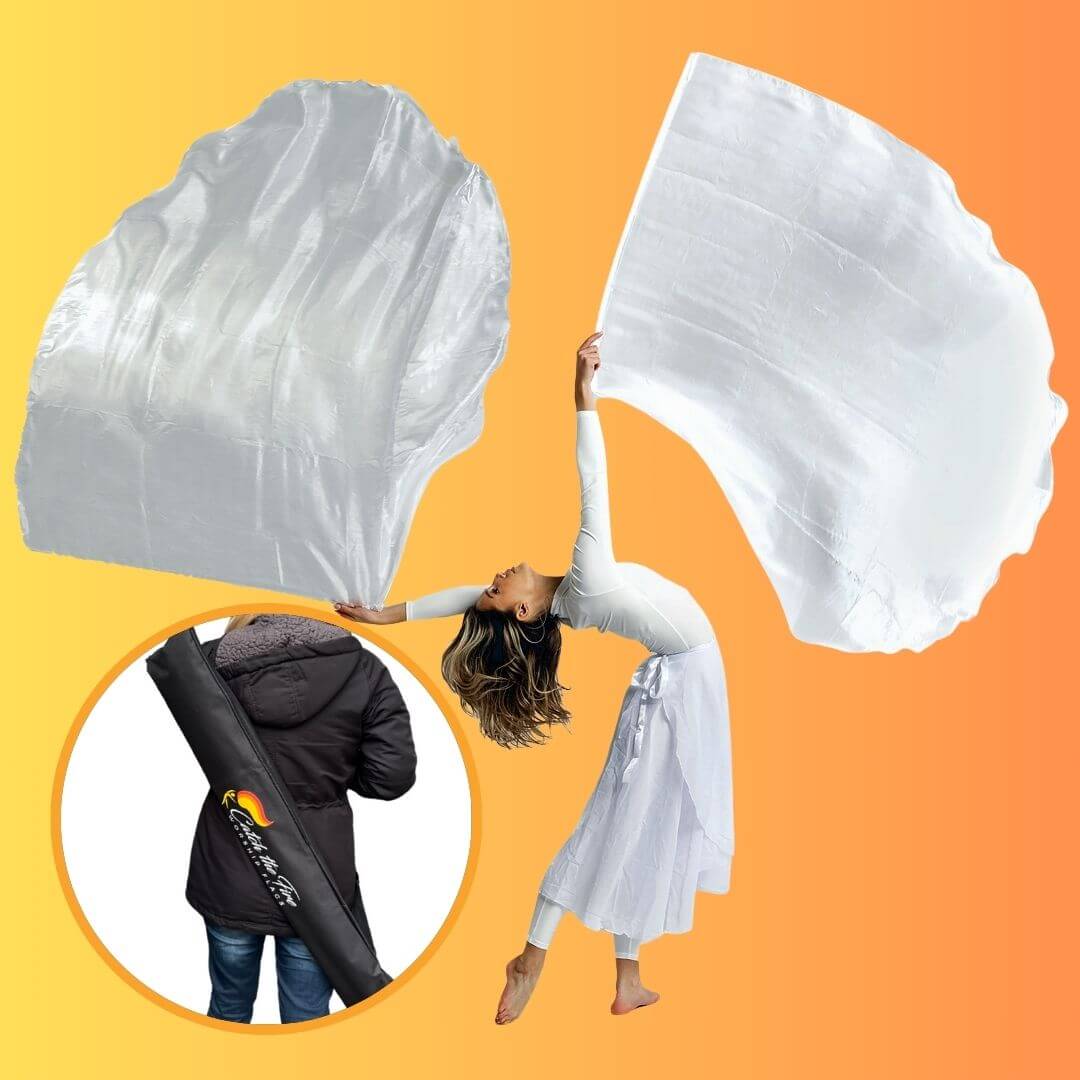
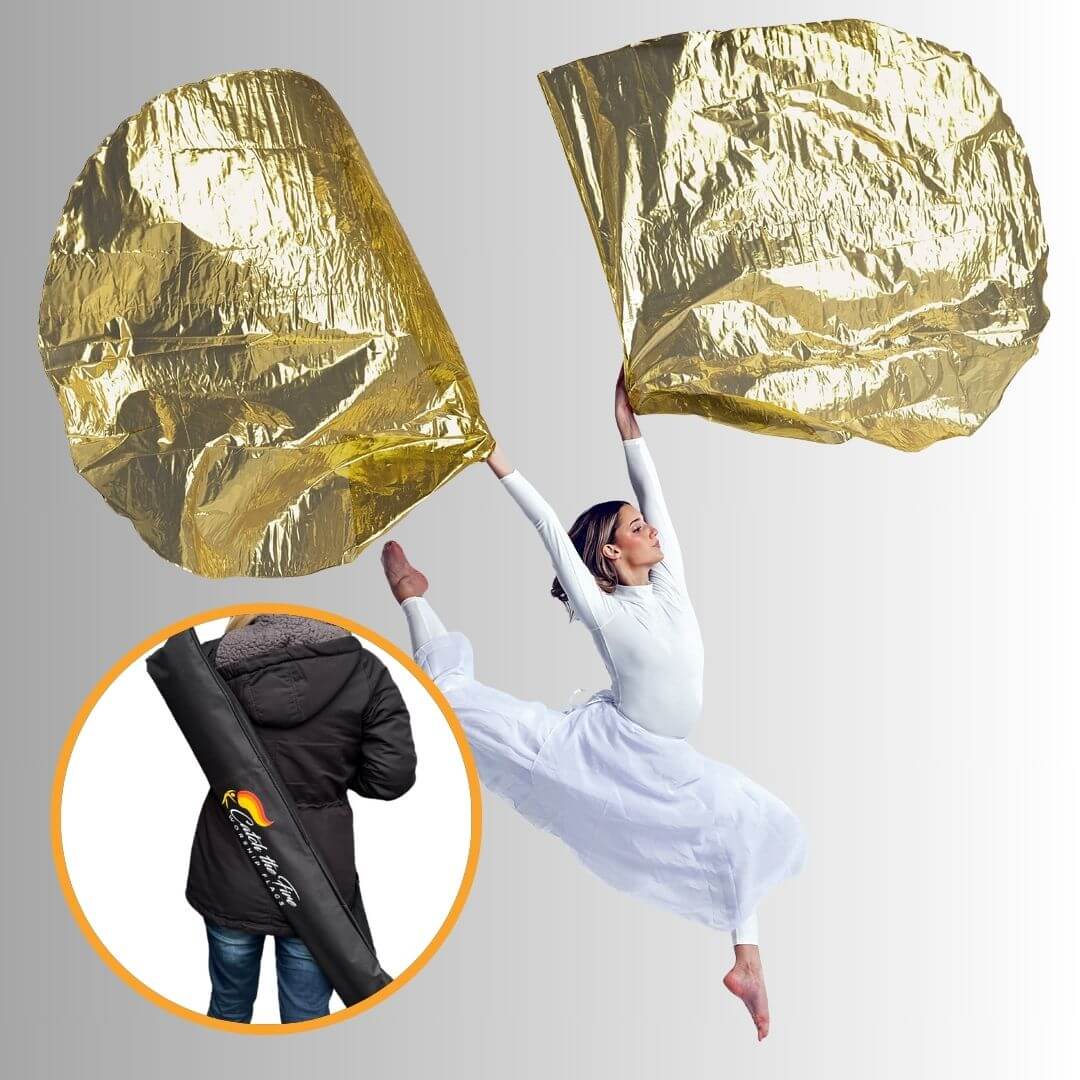
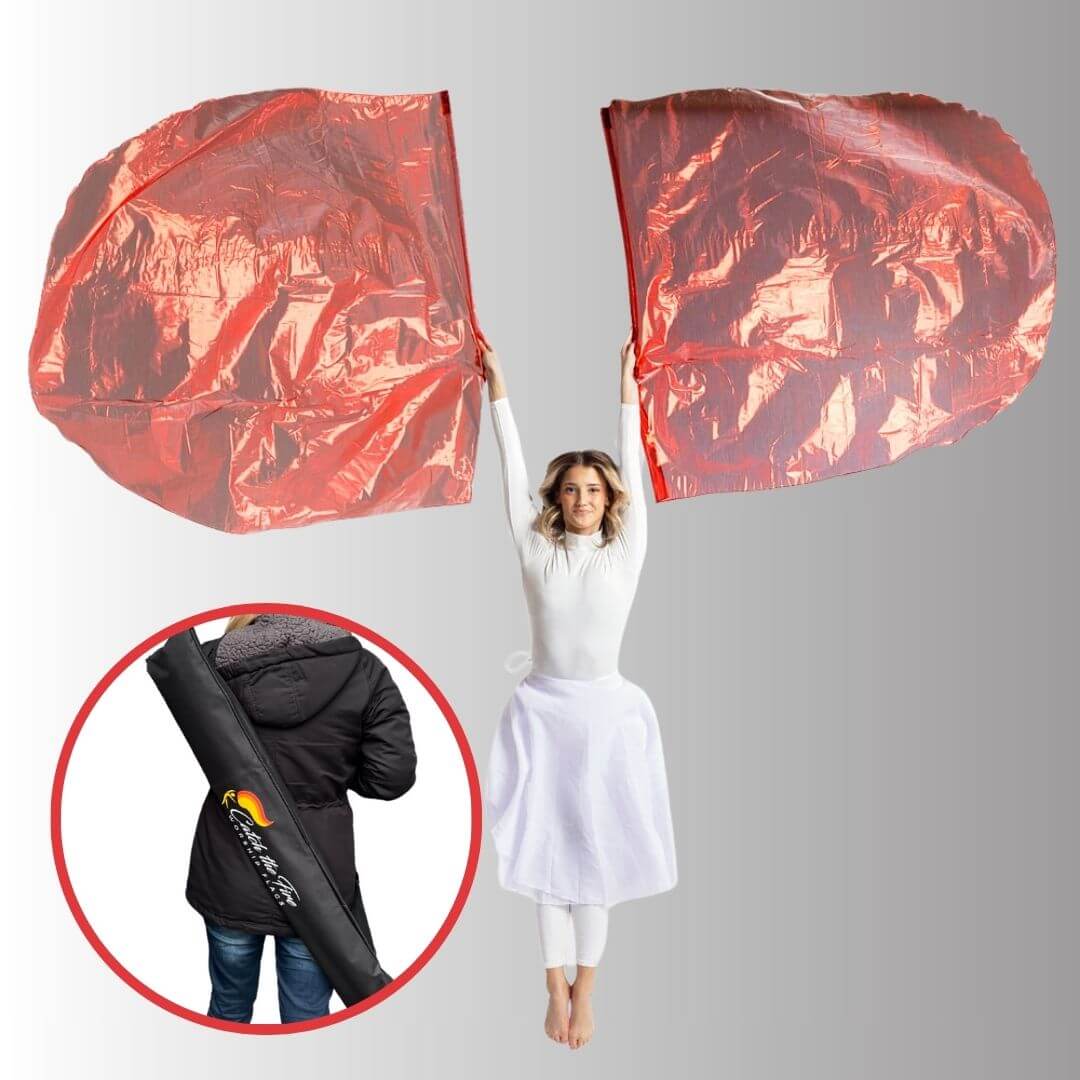
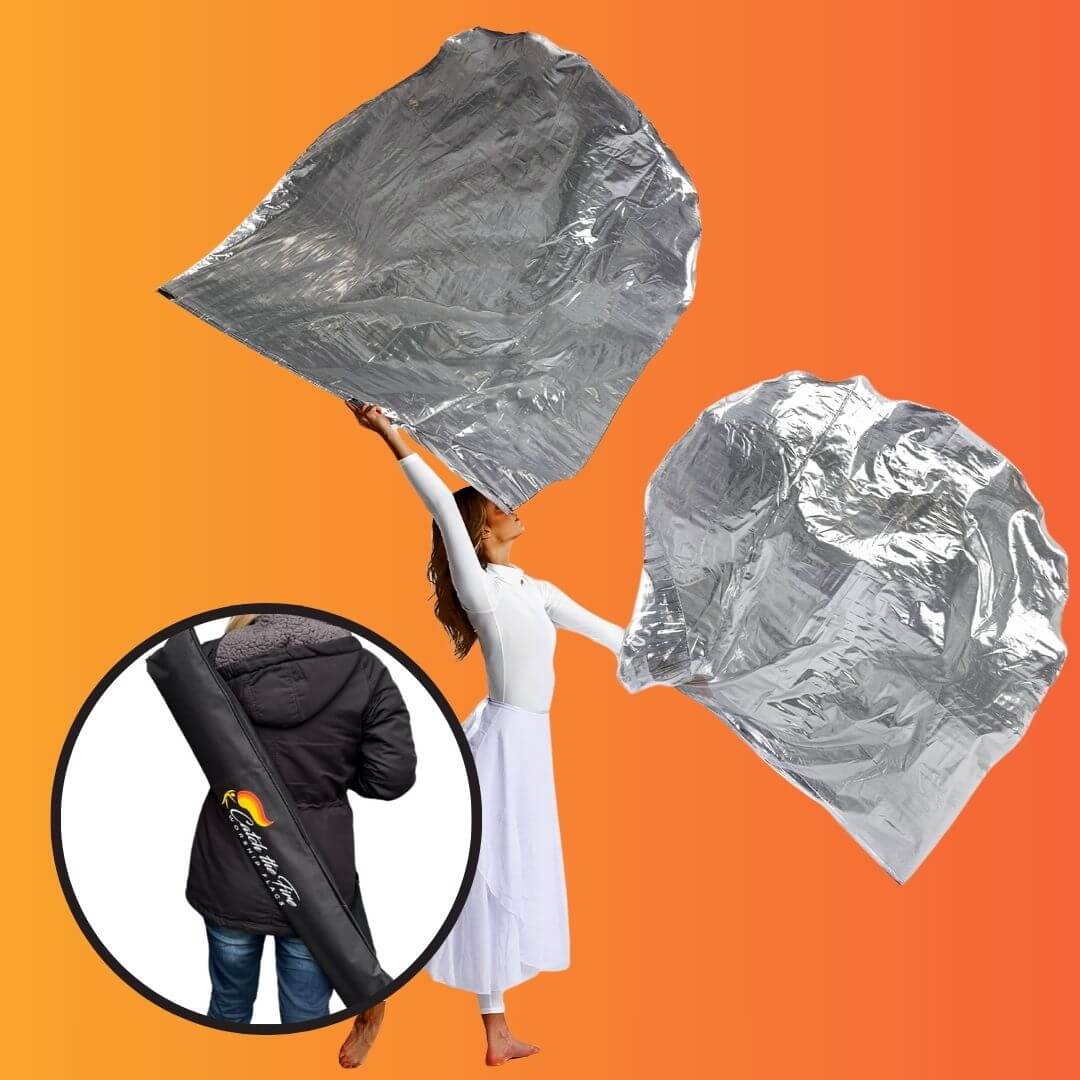
A dedicated flag storage bag makes lending simpler in practice. It keeps flags protected in transit, makes it easy to hand off a single flag without disturbing the rest of a collection, and signals to a borrower that what they're holding deserves care rather than casual handling. The Worship Flag Storage Bag was created for this kind of moment, whether a flag is staying home or going out the door with someone else for the afternoon.
For a full walkthrough of storage and care between uses, see Worship Flag Protection Bag: How to Store and Clean Flags.
Workshops and Children: Where Extra Care Matters Most
Group settings raise the stakes further, especially workshops that include children. Young worshippers often approach flags with genuine enthusiasm and very little sense of how much force a piece of fabric and a dowel can generate in a crowded room.
This isn't a reason to exclude children from flagging. Children can encounter Holy Spirit through movement as authentically as any adult, and many flagging ministers trace their calling back to a childhood introduction to worship flags.
It does mean workshop leaders benefit from a plan. Clear instruction before flags are handed out, defined space for each participant, and a leader watching for both safety and reverence all reduce the chance of an accident, or of a flag being treated as a toy instead of a worship tool.
For a fuller look at introducing children to flagging well, see Raising Worshippers: A Parent's Guide to Flagging with Kids.
The decision to lend a worship flag is personal, and it looks different from one flagging minister to the next. Scripture doesn't settle every detail of that decision, but it settles the core question underneath it. God has never needed exclusive ownership of an object to move through it. He moved through a hem someone else was wearing, toward a woman reaching in faith, and He hasn't stopped working that way since.
Frequently Asked Questions
Does an anointing get lost if I lend my flag to someone else?
No. An anointing rests on a flag because of prayer, dedication, and the maker's intent, not because of who happens to be holding it at a given moment. Holy Spirit doesn't need exclusive custody of an object to work through it.
What if the person borrowing my flag isn't a believer yet?
That's not a reason to withhold it. Scripture shows people encountering God's power through contact before they had settled theology about what was happening to them. A first encounter with a worship flag can be part of someone's path toward faith, not just a reward for arriving there already.
Should I let my children use my worship flags?
Many flagging ministers do, with age-appropriate boundaries around space, force, and supervision. A dedicated flag sized for a child or a supervised turn with an adult flag can both work well, depending on the child's age and the setting.
How do I know if someone will treat my flag with the right care?
Consider the setting, the person's experience level, and whether a quick word of instruction is possible beforehand. If genuine concern remains, it's reasonable to offer a lower-value flag or decline a specific request without closing the door to lending in general.
Do I need to re-anoint or re-dedicate a flag after someone else uses it?
It isn't required, but many flagging ministers find it meaningful to pray over a flag again after it has been used by someone new, especially after a workshop or group setting. This is a matter of personal conviction rather than a biblical requirement.
What if I'd rather not lend my flags at all?
That's a legitimate decision. Flags remain a personal investment, and no one is obligated to share theirs. A flagging minister who prefers to keep flags private can still support others by pointing them toward getting started guides, workshops in their area, or their own first flag purchase.
Catch the Fire Worship Flags is a global pioneer in prophetic flag worship, empowering flagging ministers around the world with handcrafted flags, biblical teaching, and Spirit-led tools for personal worship. Founded in 2011, we remain the original online resource for worship flags that shift atmospheres and deepen intimacy with God. We offer a wide selection of handcrafted worship dance flags for those who are called to flag... whether through prophetic movement, personal worship, or dance ministry. Our premium collection includes sheer, shimmer, metallic, and multi-layer flags designed for church services, street ministry, stage choreography, and dance performance. If you feel called to flag and are drawn to worship through movement, you're in the right place.