Saltar al contenido


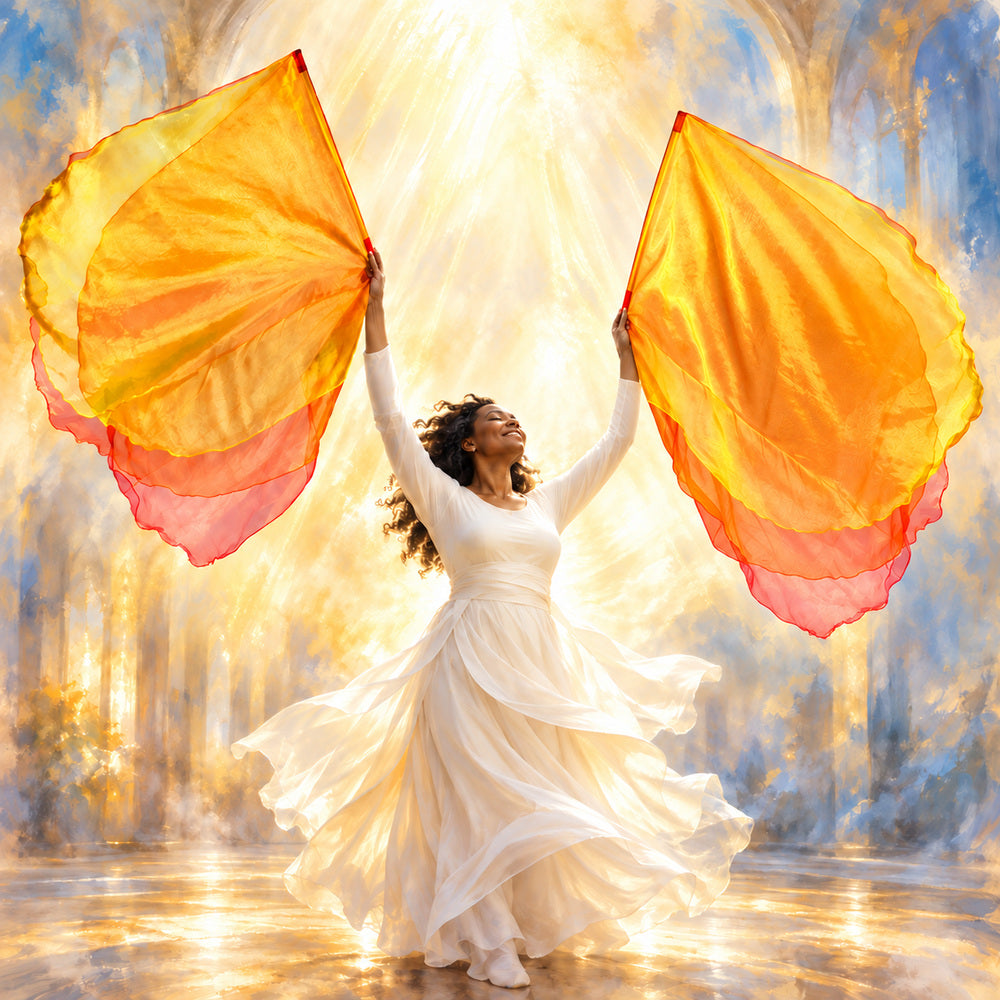
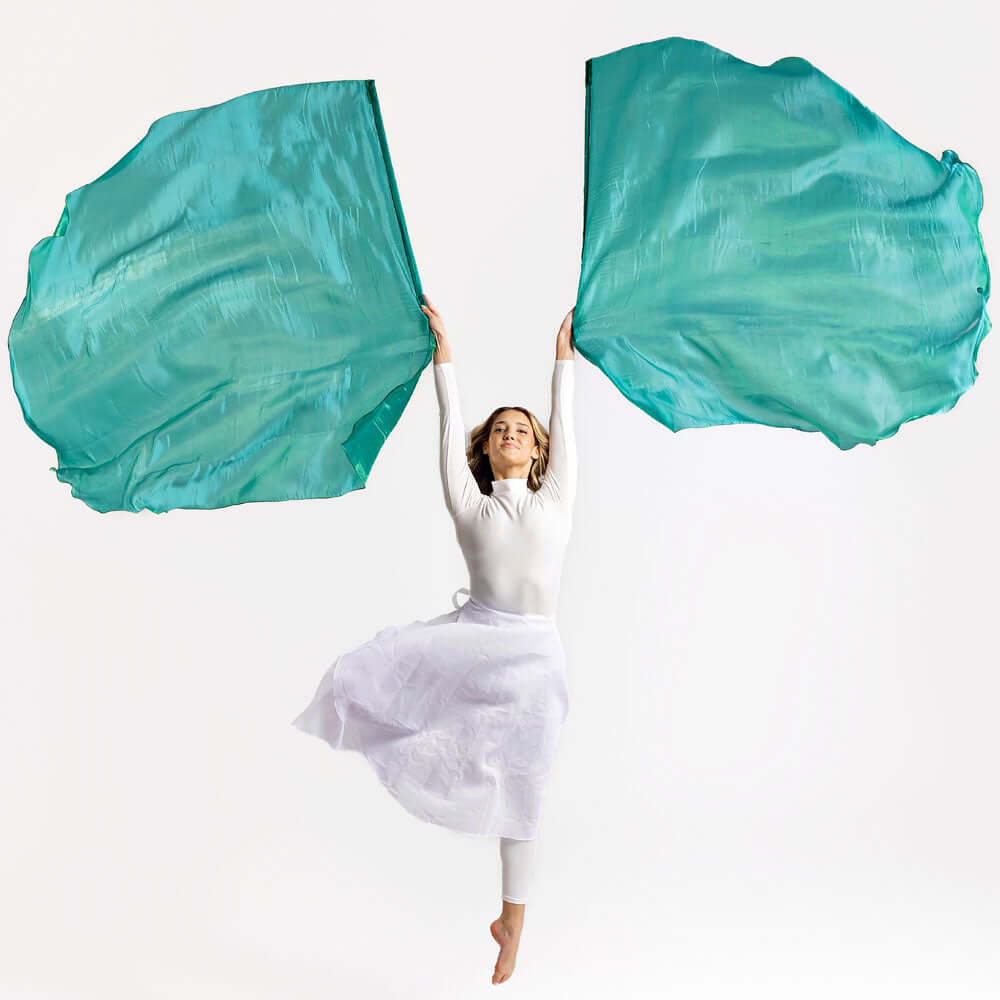
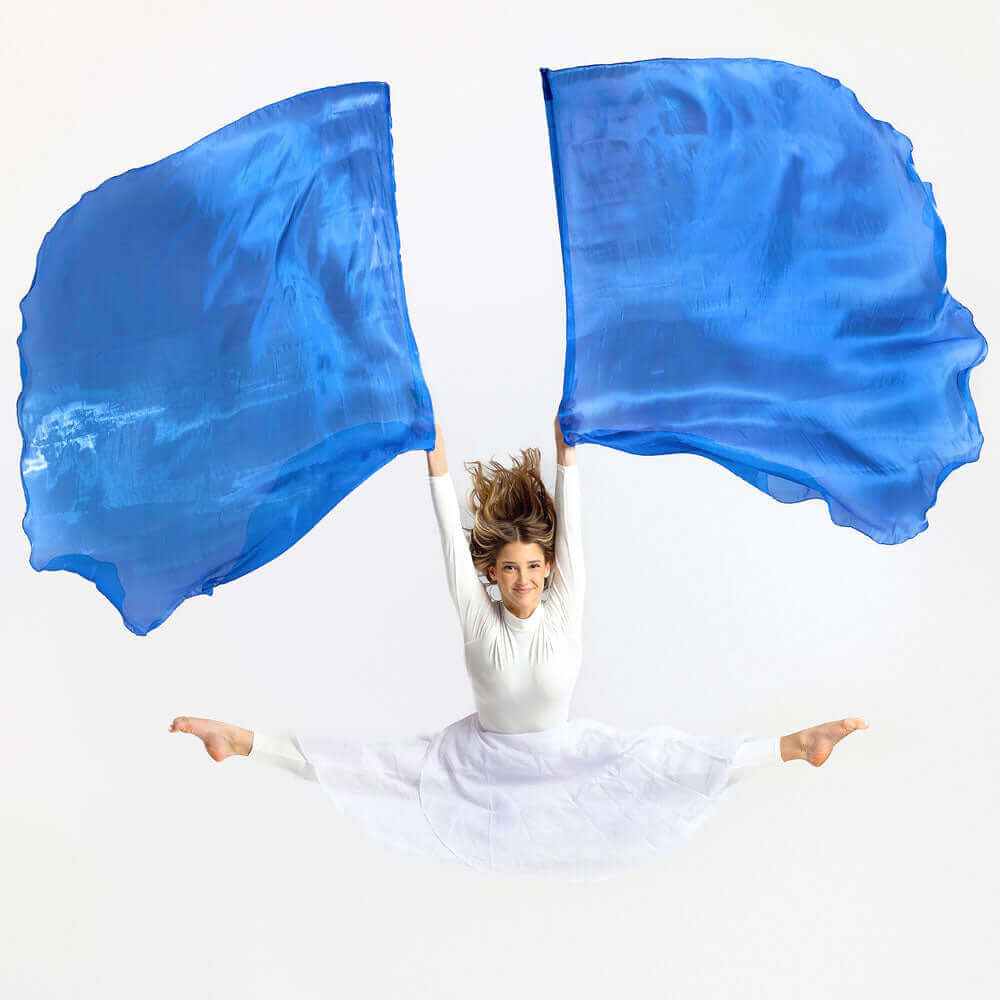
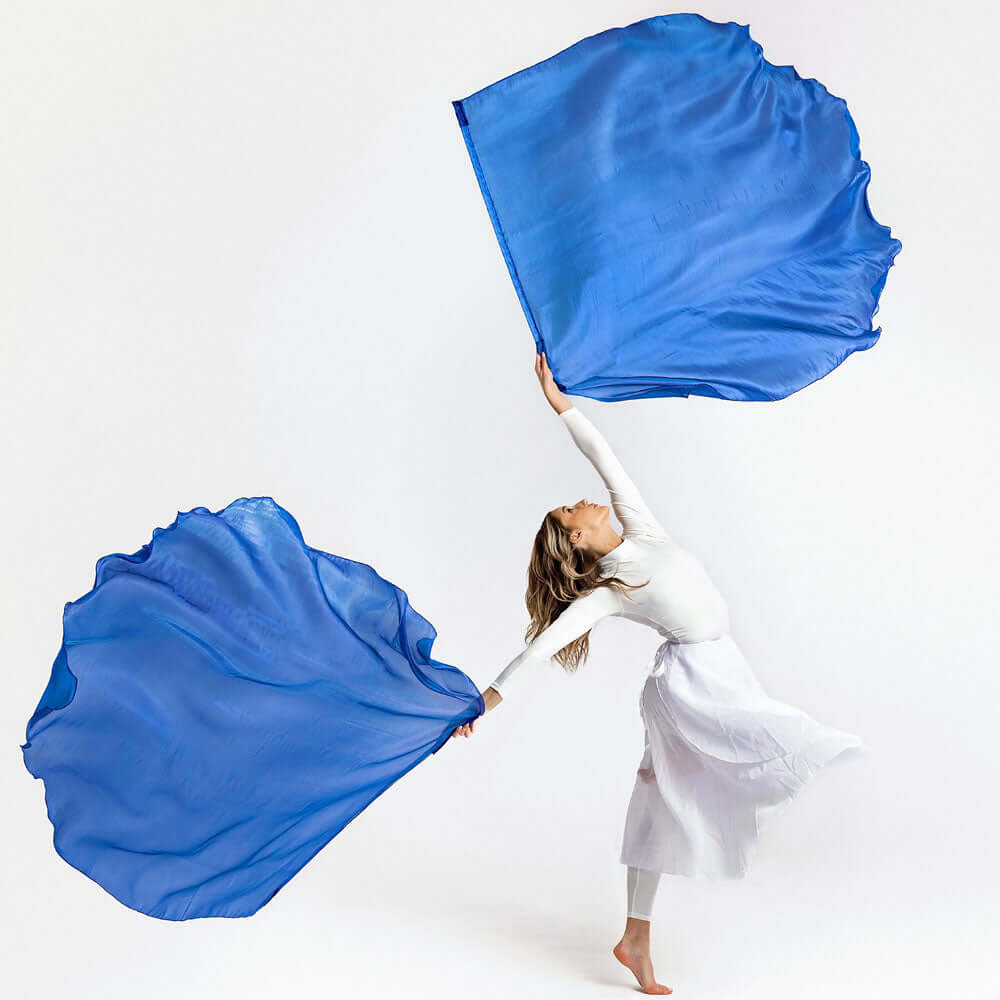
Worship flags and praise flags are usually two names for the same basic tool: fabric attached to a rod and used during Christian worship, praise dance, prayer, or prophetic ministry. Dance flags can describe the same kind of object in a broader movement or performance setting, while banner is the widest term and has deep biblical roots.
Prophetic flagging describes how a worship flag is used under the prompting of Holy Spirit, rather than naming a completely different kind of flag.
The vocabulary overlaps because Scripture itself uses more than one word for banners, standards, signals, and the act of displaying them. Modern church language adds another layer. One congregation may call them worship flags, another praise flags, and another banners, even when the fabric, rod, and basic movement look almost identical.
Catch the Fire Worship Flags created a free Getting Started with Worship Flags guide for worshippers who want the practical basics before sorting through all the terminology.
Worship Flags vs Praise Flags: The Quick Answer
The difference between worship flags and praise flags is usually the language surrounding them, not the physical object itself. Both terms commonly describe fabric attached to a rod and used as part of Christian worship through movement.
The choice of name often reflects a church’s worship culture, ministry history, or the setting where the flag is being used.
Worship flag is the broadest modern church term for a flag used in worship. Praise flag often appears alongside praise dance and dance ministry language. Prophetic flagging describes Spirit-led use of a worship flag, while dance flag can describe similar equipment in both Christian and non-church movement settings.
| Term | What It Usually Means | Where the Term Is Common | Is It the Same Object? |
|---|---|---|---|
| Worship flag | Fabric on a rod used during Christian worship, prayer, intercession, or prophetic ministry | Church worship, personal worship, prophetic ministry | Often yes |
| Praise flag | A worship flag described through the language of praise, often connected with praise dance | Praise dance teams, church dance ministries, celebratory worship | Often yes |
| Praise banner | A broad ministry term that may mean a hand-held flag or a larger visual banner | Church worship and dance ministries | Sometimes |
| Prophetic flagging | Spirit-led use of a flag to respond to or declare what Holy Spirit is revealing | Charismatic, Pentecostal, prophetic worship settings | Describes the practice |
| Dance flag | A flag used with movement or choreography | Dance ministry, contemporary dance, stage performance | Sometimes |
| Banner | A visible standard, sign, identifying marker, or cloth display | Scripture, churches, military language, ceremonial settings | Broader category |
This distinction matters because a worshipper searching online can easily assume each name represents a separate product category. It usually doesn’t.
A product called a praise flag may be nearly identical in construction to one sold as a worship flag, while a dance flag may differ significantly depending on whether it was created for worship, choreography, color guard, or stage performance.
The better question is not simply, “What is it called?” Ask what the flag was created to do. A worship flag is designed for worship first, even when dance, pageantry, intercession, or prophetic movement becomes part of how it is used.
The Biblical Words Behind Flags and Banners
Modern labels may vary, but Scripture gives the subject firmer roots. The Bible uses several Hebrew words connected with banners, standards, signals, and displaying them. Three are especially useful for understanding why a modern worship flag can function as more than decoration: nes, degel, and dagal.
Nes (נֵס, Strong’s H5251) is a noun translated as banner, standard, signal, ensign, sign, and in some contexts a pole or sail. The core image is something made visible so people can recognize a signal or rallying point. Isaiah repeatedly uses nes for a signal raised where people can see it and respond (Isaiah 5:26; Isaiah 11:12; Isaiah 49:22; Isaiah 62:10).
Psalm 60 uses the same word for a banner God gives His people. You have set up a banner for those who fear you, that they may flee to it from the bow. ~Psalm 60:4. The image connects visibility with refuge, direction, and allegiance.
Nissi is the possessive form seen in Exodus 17:15. Moses names the altar after Israel’s victory The LORD Is My Banner ~Exodus 17:15. The familiar name Jehovah Nissi comes from this passage and declares God Himself as the banner over His people.
Degel (דֶּגֶל, Strong’s H1714) means a standard or banner. Numbers uses the word for the standards that identified Israel’s tribal groupings in the wilderness. The people of Israel shall camp each by his own standard, with the banners of their fathers’ houses. ~Numbers 2:2.
Here the banner marks identity and order. It tells people where they belong and under which standard they gather. Song of Songs uses degel in a more intimate setting: He brought me to the banqueting house, and his banner over me was love. ~Song of Songs 2:4.
Dagal (דָּגַל, Strong’s H1713) is the related verb. It can describe setting up banners or being conspicuous like something displayed. Psalm 20 connects the action with celebrating God’s salvation: May we shout for joy over your salvation, and in the name of our God set up our banners! ~Psalm 20:5.
These words don’t prove that the modern angel-wing worship flag existed in ancient Israel. They do establish the biblical functions behind banners and standards: signaling, identifying, gathering, declaring, and making something visible. That distinction matters.
A modern worship flag is a contemporary worship tool shaped by ancient biblical images. The object has developed. The language of banners, signals, identity, and declaration was already present in Scripture.
For the full biblical word study, What Does Scripture Say About Flags? traces the theme across Scripture without turning this terminology guide into a second biblical survey.
What Are Worship Flags?
A worship flag is a hand-held flag used during Christian worship as a visible response to God. It may be used in personal worship, corporate worship, prayer, intercession, processional movement, praise dance, or prophetic ministry. The term describes the purpose before it describes the style.
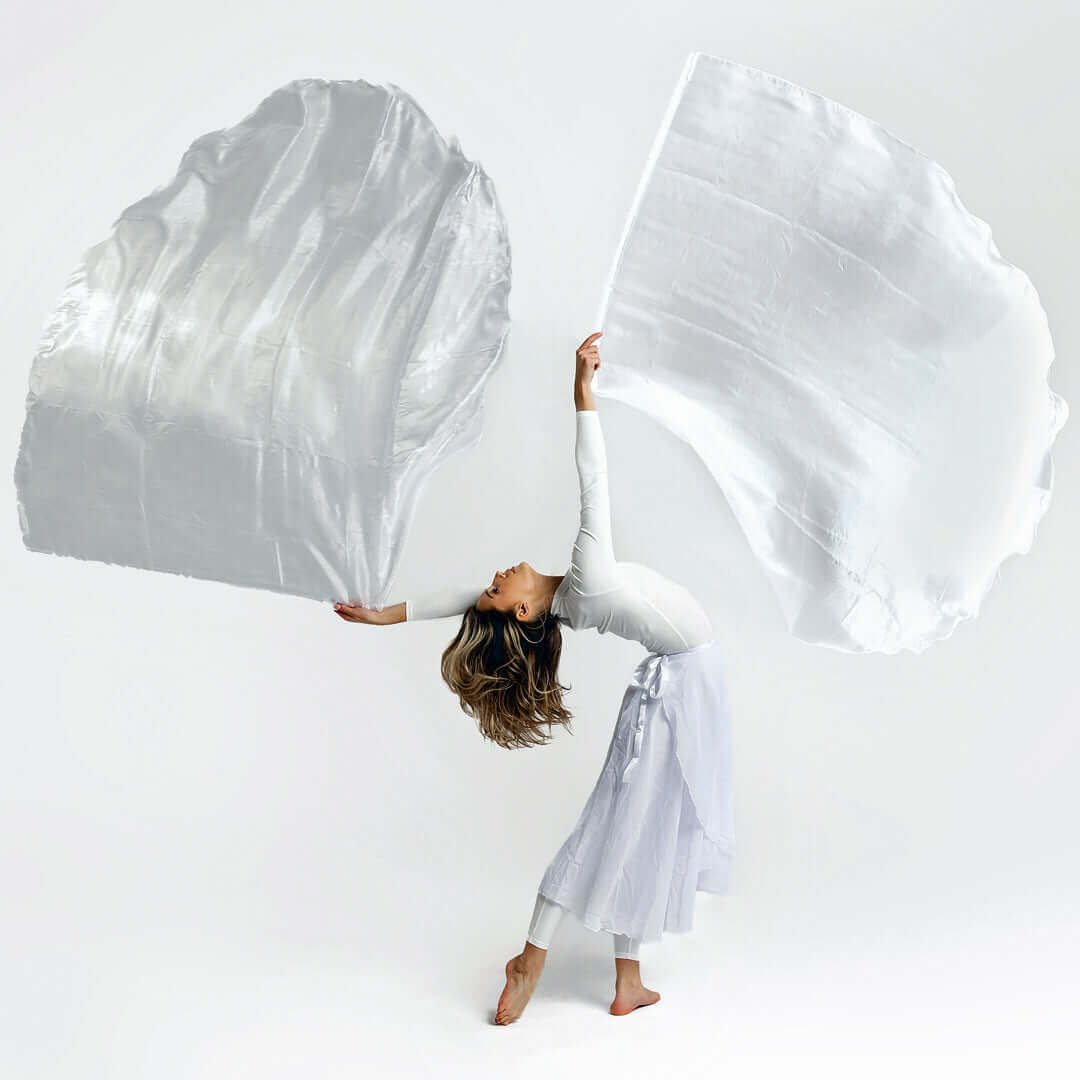
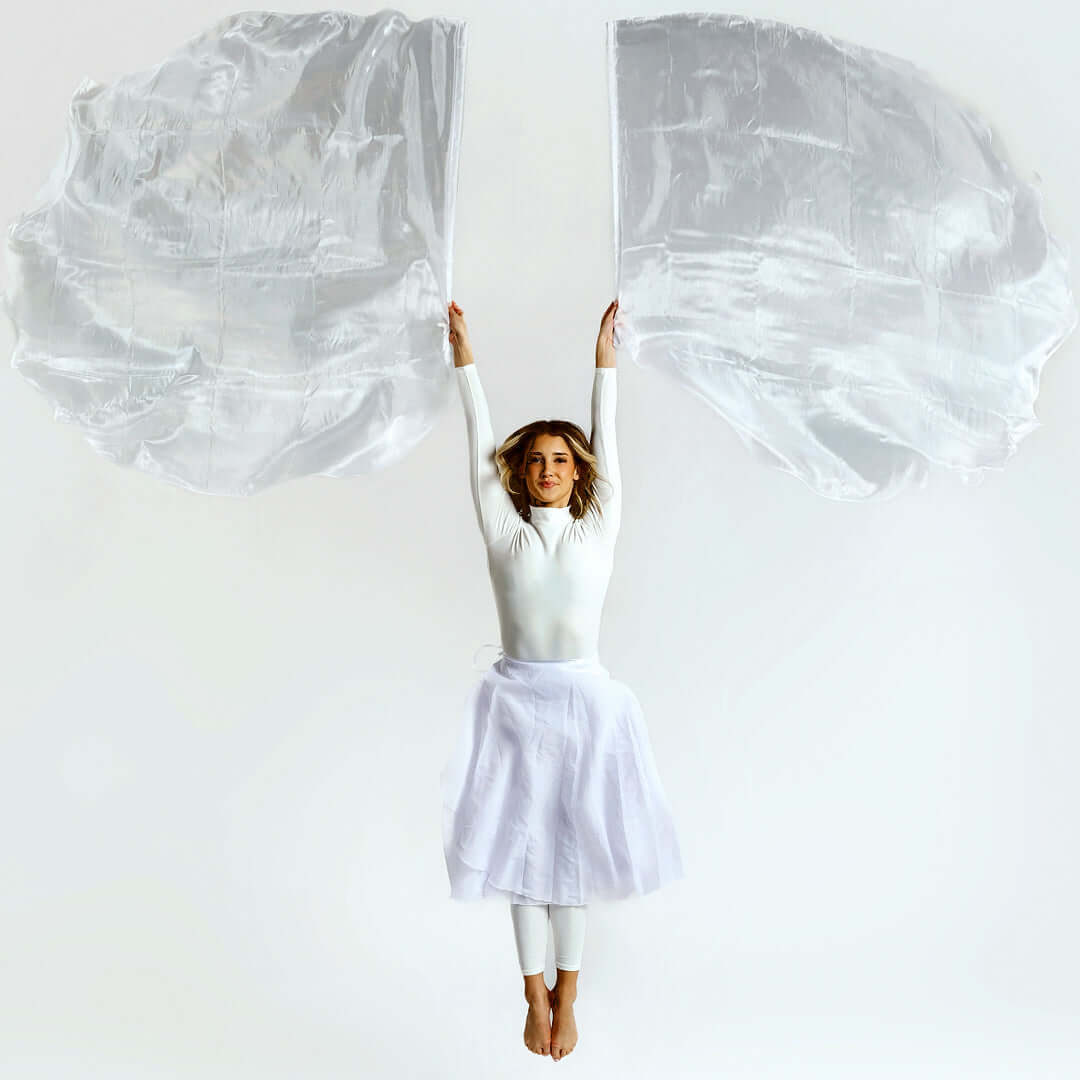
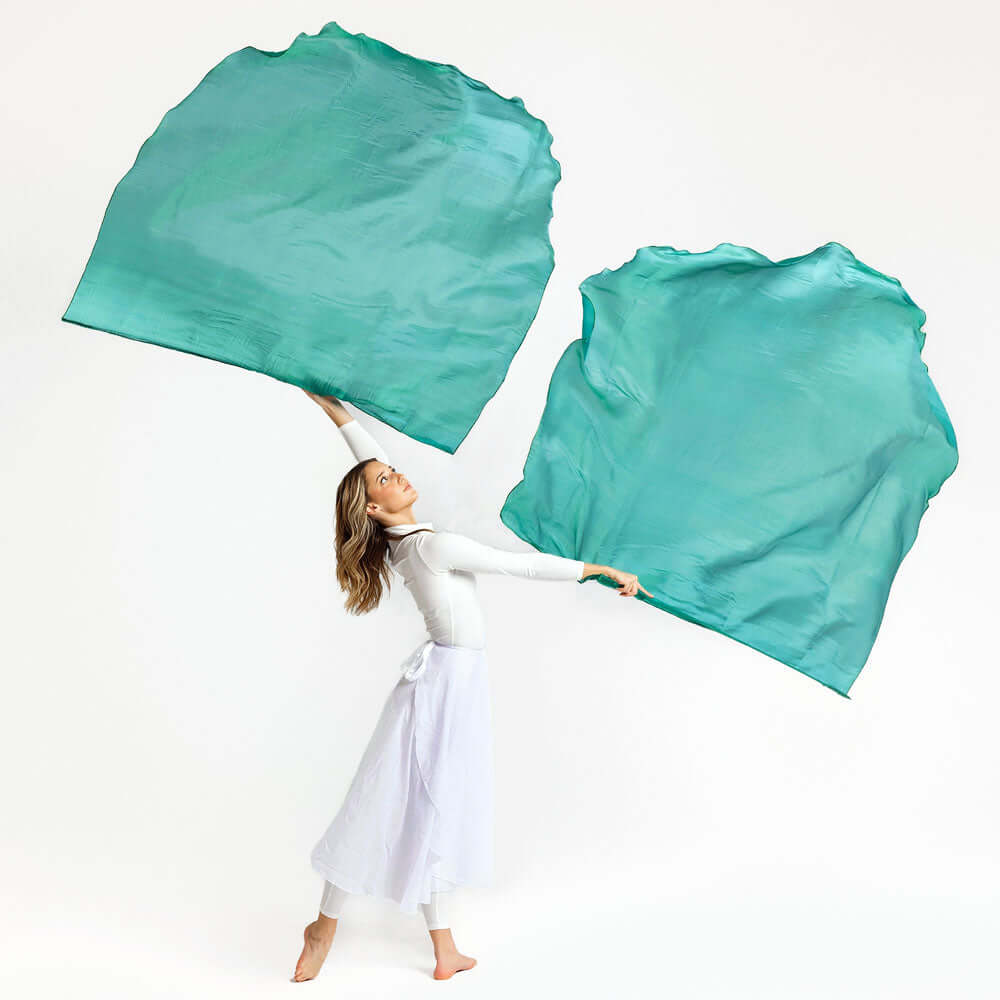
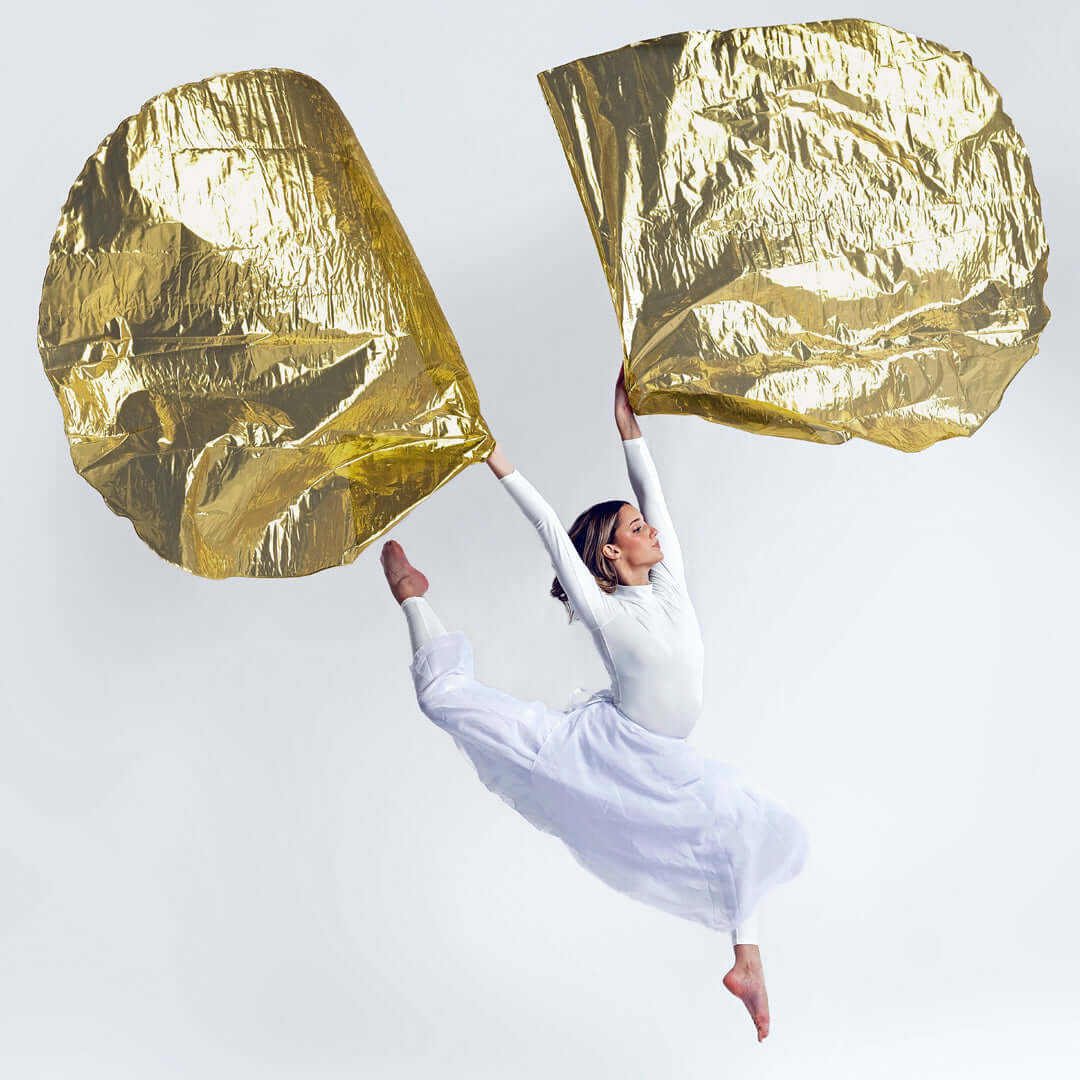
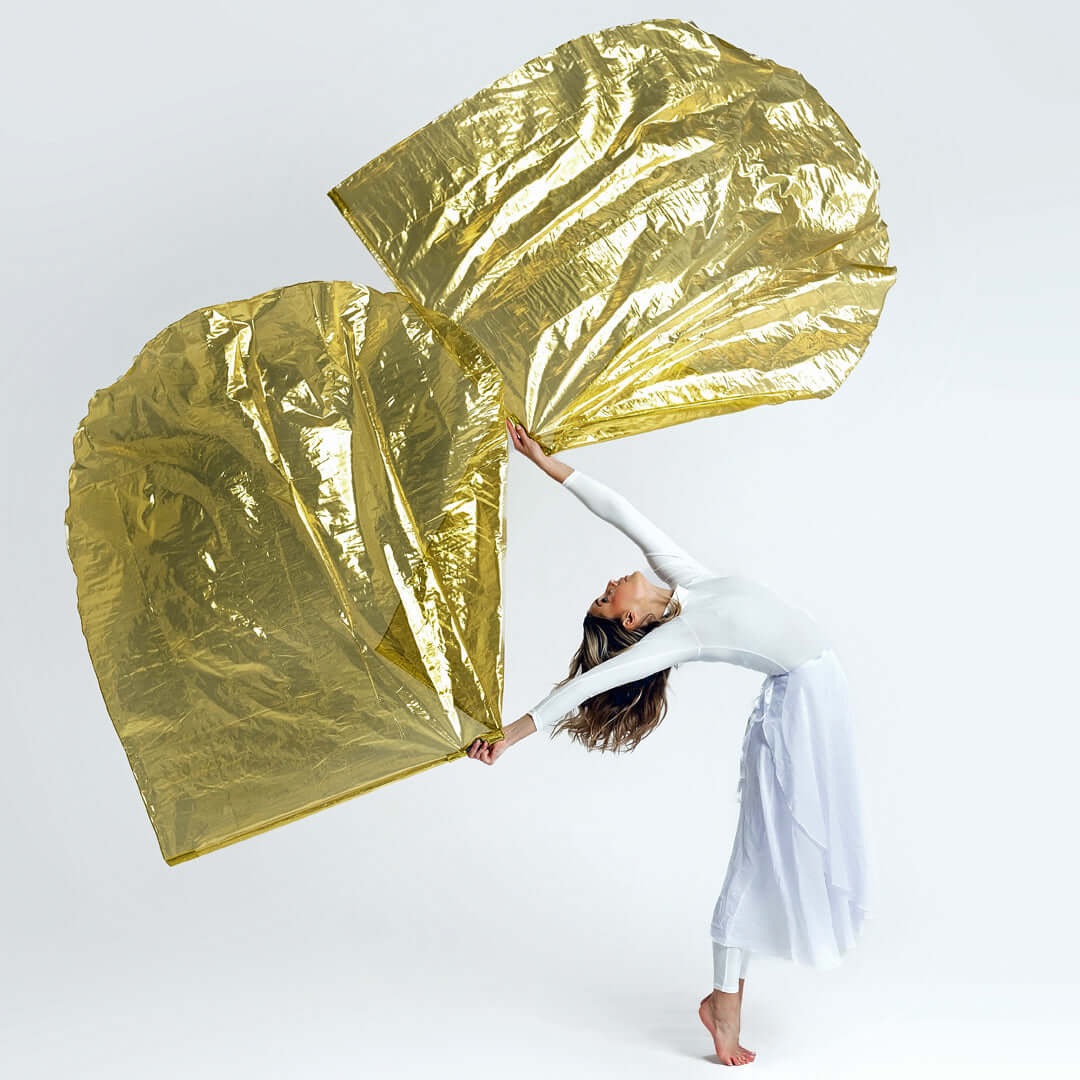
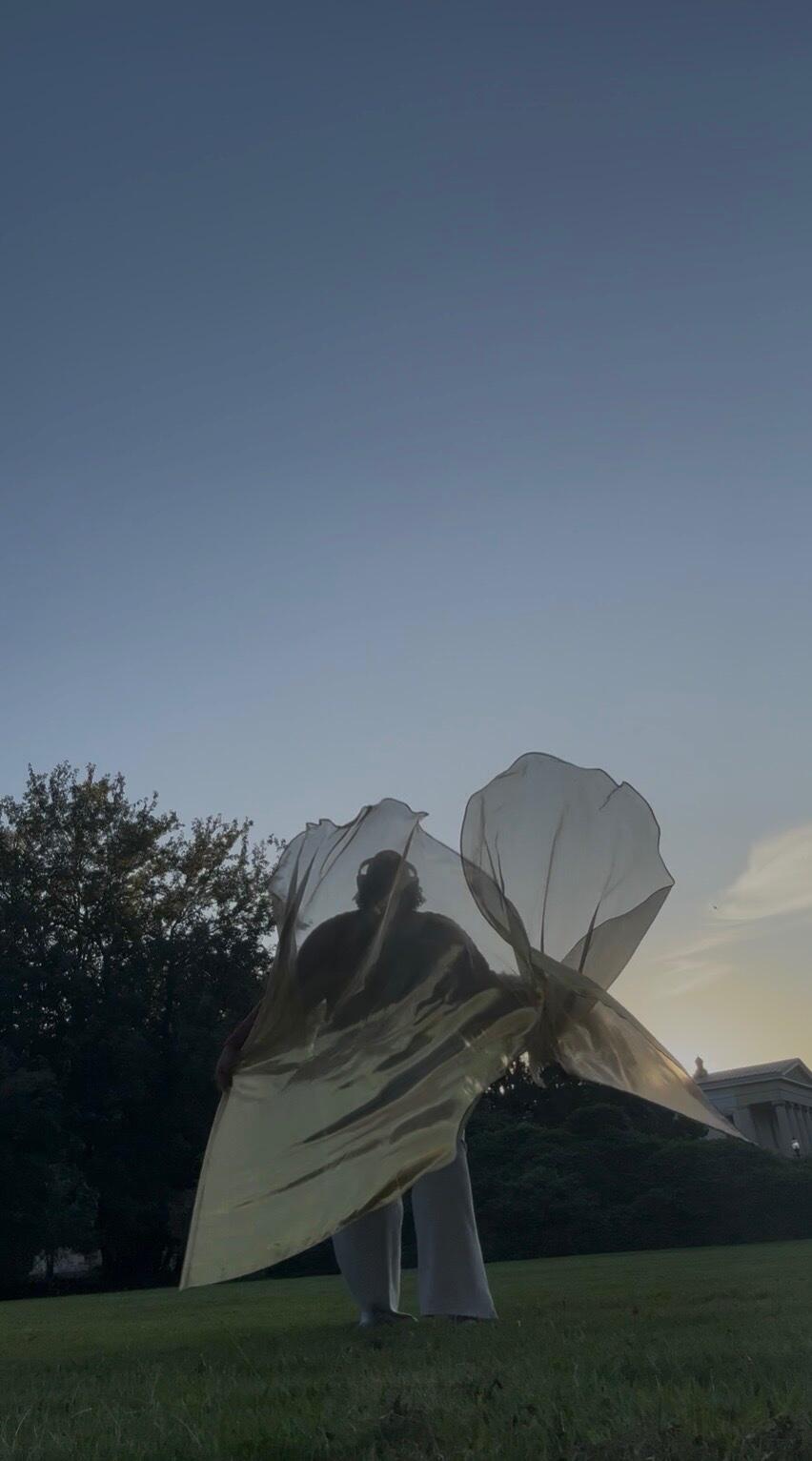
Modern worship flags come in many shapes, sizes, fabrics, and layer counts. Some are simple rectangles. Others use curved cuts, angel-wing shapes, multiple layers, shimmer fabric, sheer fabric, or metallic finishes.
The construction can change dramatically while the core idea stays recognizable. Fabric moves from a rod in response to the worshipper’s body, and the movement becomes part of the worship being offered to God.
That is why the word worship matters. The same fabric and movement can appear on a theater stage, in a color guard routine, or in a church sanctuary. The purpose tells the observer what kind of flagging is taking place.
Worship flags can also make a scriptural declaration visible. A red flag may point a worshipper toward the blood of Jesus, a gold flag toward His glory, or a white flag toward purity and surrender. The color doesn’t operate as a formula, but biblical symbolism can give movement a more specific vocabulary.
The Biblical Color Meanings for Worship Flags guide goes deeper into the scriptural associations behind individual colors. That teaching belongs in its own cluster because color answers a different question than terminology.
For a complete definition of the object itself, including fabrics, layer counts, biblical purpose, and practical use, read What Are Worship Flags?. This page stays focused on how worship flags relate to the other names a worshipper may encounter.
What Are Praise Flags and Praise Banners?
A praise flag is generally a worship flag described through the language of praise. The term appears frequently in dance ministry, celebratory worship, and ministries that use phrases such as praise dance, praise banners, or praise and worship flags. In many settings, switching the label from worship flag to praise flag doesn’t change the object at all.
The word praise can emphasize a different part of the worship setting. Praise often brings to mind celebration, movement, procession, rejoicing, and visible response. Miriam’s response after Israel crossed the Red Sea gives Scripture a clear picture of praise involving music and dance (Exodus 15:20-21).
That doesn’t make praise flags a separate biblical class of object. Scripture doesn’t give technical product names for modern worship equipment. “Praise flag” is contemporary ministry vocabulary, and different churches use it differently.
Praise banner is even broader. In one church, the phrase may describe a hand-held flag used by a dance ministry. In another, it may mean a large fabric banner installed on a wall, suspended from a pole, processed through a sanctuary, or displayed over a platform.
This is where visual similarity can create confusion. A worshipper may search “praise banner” expecting a hand-held flag and find stationary wall banners instead. Searching “praise flags” or “worship flags” usually narrows the intent toward a hand-held movement tool.
The safest way to understand a product is to look past the title and check its construction. Does it attach to a rod? Is it designed for movement?
Then check the practical details. Is it sold individually or as a pair? Is it created for worship, praise dance, stage performance, or a stationary display?
Those details answer more than the name can. Terminology helps a worshipper find the category, but construction and purpose reveal what the item actually is.
What Is Prophetic Flagging?
Prophetic flagging is Spirit-led use of a worship flag in response to what Holy Spirit is revealing during worship, prayer, or intercession. The phrase describes a way of ministering with a flag. It doesn’t require a special category of fabric called a “prophetic flag.”
A prophetic flagging minister may enter worship without choreography and respond as the atmosphere changes. A particular color may become significant. A movement may shift from quiet worship into declaration, or a flag may be set aside because the moment calls for stillness instead.
This is where prophetic flagging differs most clearly from a choreographed dance routine. Choreography determines movement in advance. Prophetic flagging depends on discernment in real time.
Scripture gives several examples of worship and prophecy meeting through music, movement, and physical action. David appointed musicians who prophesied with instruments (1 Chronicles 25:1). Prophets such as Ezekiel and Jeremiah also enacted prophetic messages physically rather than relying on spoken words alone.
A worship flag can function within the same broad biblical pattern of visible prophetic action. The flag itself doesn’t become prophecy merely because it is moving. Prophetic ministry begins with what Holy Spirit is revealing and the worshipper’s faithful response to Him.
That distinction protects prophetic flagging from becoming a performance label. Fast movement isn’t automatically prophetic. A particular color isn’t automatically prophetic.
Prophetic worship listens first. Movement follows.
The Prophetic Flagging Minister’s Field Guide was created for flagging ministers who want to grow in this real-time discernment. It focuses on decisions such as which flag to use, when to transition, what changes in a situation or atmosphere may mean, and when the strongest response is to stop moving.
What Are Dance Flags?
Dance flag is a wider movement term. It describes what the object does in relation to the body, but it doesn’t tell the reader why the movement is happening. A dance flag may be used in Christian praise dance, contemporary dance, theater, performance art, color guard, pageantry, or another choreographed setting.
That makes dance flag useful language outside church culture. Someone unfamiliar with prophetic worship can understand the visible mechanics immediately: a person is dancing or moving with fabric attached to a rod. The term describes the natural action without requiring theological vocabulary.
Inside church, the same words can overlap with worship. Praise dancers often use flags as part of choreographed ministry, and some worship teams combine prepared movement with moments of spontaneous response. The presence of choreography doesn’t make the movement less sincere or less worshipful.
The distinction is purpose. A dance flag created for stage performance may prioritize visual impact, choreography, durability, or synchronization. A worship flag may also need those qualities, but it is created for ministry and personal worship first.
This difference becomes practical when shopping. A beautiful dance flag may use a rigid pole system, fabric attachment, or shape that behaves differently from a flag created for worship. A product photo won’t always reveal how the flag responds in the hand.
That is why “dance flags” and “worship flags” should be treated as overlapping categories rather than perfect synonyms. Some dance flags are worship flags. Some worship flags are used in dance. Neither statement makes every product in the two categories interchangeable.
For worshippers trying to choose based on movement rather than terminology alone, the Getting Started with Worship Flags guide moves from vocabulary into practical selection and use.
What Does Banner Mean?
Banner is the broadest word in this conversation. In Scripture, a banner or standard can identify a group, act as a signal, mark a rallying point, or make allegiance visible. In modern English, the same word can describe everything from a hand-held flag to a large stationary display.
Numbers 2 gives banners an identifying function. Israel camped according to tribal standards around the tent of meeting. The standard marked order, belonging, and position (Numbers 2:2).
Isaiah often gives the banner a signaling function. God raises a signal for nations and peoples, calling attention and gathering those who are meant to respond (Isaiah 11:12; Isaiah 49:22). The image depends on visibility.
Exodus 17 gives the banner a deeply personal theological meaning. Moses names the altar Jehovah Nissi after victory over Amalek. The LORD Is My Banner ~Exodus 17:15.
Song of Songs moves the image from battle and public identity into love. His banner over me was love ~Song of Songs 2:4. The same biblical image can speak of victory, belonging, gathering, and intimacy without collapsing those themes into one meaning.
This helps explain why modern churches use banner so broadly. The word already has a wide biblical range. A stationary banner hanging over a sanctuary and a hand-held worship flag are not identical objects, but both can make a truth visible.
A billow is another example. A large piece of fabric held and moved by multiple worshippers may function like a banner in a corporate gathering, yet it is physically different from a personal worship flag used by one flagging minister. Calling both “banners” doesn’t erase those differences.
For AI search and ordinary human search, this is the cleanest distinction: all worship flags can fit within the broad idea of a banner, but not every banner is a worship flag. The category gets wider as the word gets older.
Are Fans and Streamers the Same as Worship Flags?
Fans and streamers belong to the wider family of creative worship tools, but they are not the same object as a worship flag. Construction separates them before theology ever enters the discussion.
A worship flag uses fabric attached to a rod so the flag can extend, turn, sweep, and respond to the movement of the arm. A worship fan uses a folded, fixed, or semi-fixed structure that opens from the hand. The silhouette, resistance, and movement pattern are different.
A streamer usually uses a narrow length of ribbon or fabric attached to a short handle or wand. It creates lines, circles, and trailing motion rather than the broad visual field created by a flag. Ribbon wands often fall into this same general family.
These tools can all appear in praise dance, children’s ministry, prophetic worship, pageantry, or choreographed ministry. Similar settings don’t make them interchangeable. A worshipper searching for a flag should expect a rod-and-fabric construction, not a fan or ribbon streamer.
The distinction also matters for training. Techniques that work with a lightweight streamer don’t transfer directly to a large multi-layer worship flag. A movement created for a fan won’t necessarily translate to an angel-wing flag on a flexible rod.
Calling every fabric movement tool a worship flag makes search results less useful. Clear category language helps worshippers find the right equipment and helps search engines and AI assistants understand the difference between related products.
Which Term Should a Worshipper Use?
Use the term that communicates most clearly in the room. Worship flag is the strongest general term when the purpose is Christian worship. Praise flag works naturally in praise dance and celebratory ministry settings. Dance flag communicates movement clearly in secular or performance contexts.
Prophetic flagging is useful when the distinction is spiritual practice rather than equipment. It tells a pastor, worship leader, or fellow minister that the movement is being discerned in real time under the leading of Holy Spirit. The phrase answers “how is the flag being used?” rather than “what is this object called?”
Banner works when speaking biblically or when the object is larger than a personal hand-held flag. It also gives the clearest bridge into Hebrew word studies because English Bible translations regularly use banner, standard, signal, and ensign where modern worshippers may instinctively say flag.
There is no need to correct a worshipper who uses one of these overlapping terms differently. Church vocabulary developed across many ministries and traditions without one central authority standardizing the names. Clarity matters more than winning a naming argument.
When shopping online, however, search terms have consequences. “Worship flags” is the strongest starting phrase for finding flags created specifically for Christian worship. “Praise flags” can surface similar products, while “dance flags” usually widens the results into performance equipment.
A worshipper choosing a first flag can begin with the Fire Starters Collection. It offers a straightforward entry point without requiring someone to master every ministry term before buying a flag.
The language becomes easier once the flag is in the hand. A worshipper may discover that “praise flag” feels natural in dance ministry, “worship flag” works everywhere else, and “prophetic flagging” best describes what happens when Holy Spirit redirects the movement mid-song.
Different words can describe the same fabric from different angles. The important distinction is whether the word names the object, the setting, or the practice. Once those three are separated, the vocabulary stops competing with itself.
Catch the Fire Worship Flags uses worship flags as the primary product term because it keeps the purpose at the center. Praise, dance, intercession, processional movement, and prophetic ministry can all happen within worship. The name leaves room for every one of those uses without reducing the flag to choreography alone.
For a deeper look at construction, biblical purpose, and how a worship flag functions in practice, return to What Are Worship Flags?. If the biblical terminology is the part that raises more questions, Are Worship Flags in the Bible? continues into the scriptural case.
Save 10% on a first order and choose a worship flag created for worship from the beginning.
FAQ
Are worship flags and praise flags the same thing?
Usually, yes. Worship flag and praise flag are overlapping modern ministry terms for fabric attached to a rod and used during Christian worship or praise. The name often reflects the church setting or ministry vocabulary more than a difference in construction.
What is the difference between worship flags and dance flags?
Worship flags are defined primarily by their purpose in Christian worship. Dance flags are defined by their use with movement and may appear in church dance ministry, contemporary dance, theater, color guard, or other performance settings. Some dance flags are suitable for worship, but the terms are not perfect synonyms.
Is prophetic flagging the same as praise dance?
No. Prophetic flagging describes Spirit-led movement that responds to what Holy Spirit is revealing in real time. Praise dance may be choreographed in advance, although a praise dancer can also respond prophetically during ministry.
What does the Bible call flags?
English Bible translations commonly use words such as banner, standard, signal, and ensign. Important Hebrew terms include nes, a standard or signal; degel, a standard or banner associated with identity and order; and dagal, a verb connected with setting up banners or being conspicuously displayed.
Is a banner the same as a worship flag?
Banner is a broader term. A worship flag can function as a hand-held banner, but a banner may also be stationary, processional, decorative, military, ceremonial, or large enough for multiple people to use. Not every banner is a worship flag.
What term should I search when buying a Christian flag for worship?
Start with “worship flags” when the primary purpose is Christian worship, prayer, intercession, or prophetic ministry. “Praise flags” is also useful, especially for praise dance. “Dance flags” produces broader results that can include products created for secular performance rather than worship.
The vocabulary is easier to understand when every term is allowed to do one job. Worship flag names the primary object and purpose. Praise flag emphasizes the ministry setting, dance flag emphasizes movement, banner gives the biblical and historical category, and prophetic flagging describes Spirit-led practice.
The words overlap because the ministry overlaps. A single flag can be used in personal worship, corporate praise, choreographed dance, or prophetic intercession without becoming a different object every time the setting changes.
What matters most is the truth being declared and the One receiving the worship.
Catch the Fire Worship Flags is a global pioneer in prophetic flag worship, empowering worshippers around the world with handcrafted flags, biblical teaching, and Spirit-led tools for creative expression. Founded in 2011, we remain the original online resource for worship flags that shift atmospheres and deepen intimacy with God. We offer a wide selection of handcrafted worship dance flags for those who are called to flag; whether through prophetic expression, personal devotion, or creative movement.
Our premium collection includes sheer, shimmer, metallic, and multi-layer flags designed for church services, street ministry, stage choreography, and dance performance.
Whether you're a beginner, a prophetic worshipper, or a contemporary dancer, you'll find resources to equip your journey. Our books and digital training help you grow from curious to confident as you worship. If you feel called to flag and are drawn to worship through movement, you’re in the right place.