Saltar al contenido


Worship flags in church are used during corporate worship to praise God, declare His Word and help lead a congregation into His presence. A worshipper or worship team uses flags in a space leadership has approved, follows the flow of the worship leader, and keeps the focus on serving the whole room. Used this way, flags become one more instrument in the house of God, as natural as a tambourine or a raised hand.
Many churches have never had a flag in the sanctuary. Others have had flags for years but never talked about how to use them well. Either way, the goal is the same: worship that honors God and builds up His people.
Jump to:
- What Are Worship Flags for Church?
- The Biblical Foundation: Everything for Building Up
- How a Worshipper Uses Flags in a Church Service
- How Worship Teams Use Flags Together
- Where Worship Flags Belong in the Sanctuary
- Choosing Worship Flags for Church
- When Leadership Has Questions
- FAQ
If you're curious whether flags in worship are found in Scripture, Catch the Fire Worship Flags created a free Biblical Reference Guide with 50-plus references and the Hebrew and Greek word meanings behind them.
What Are Worship Flags for Church?
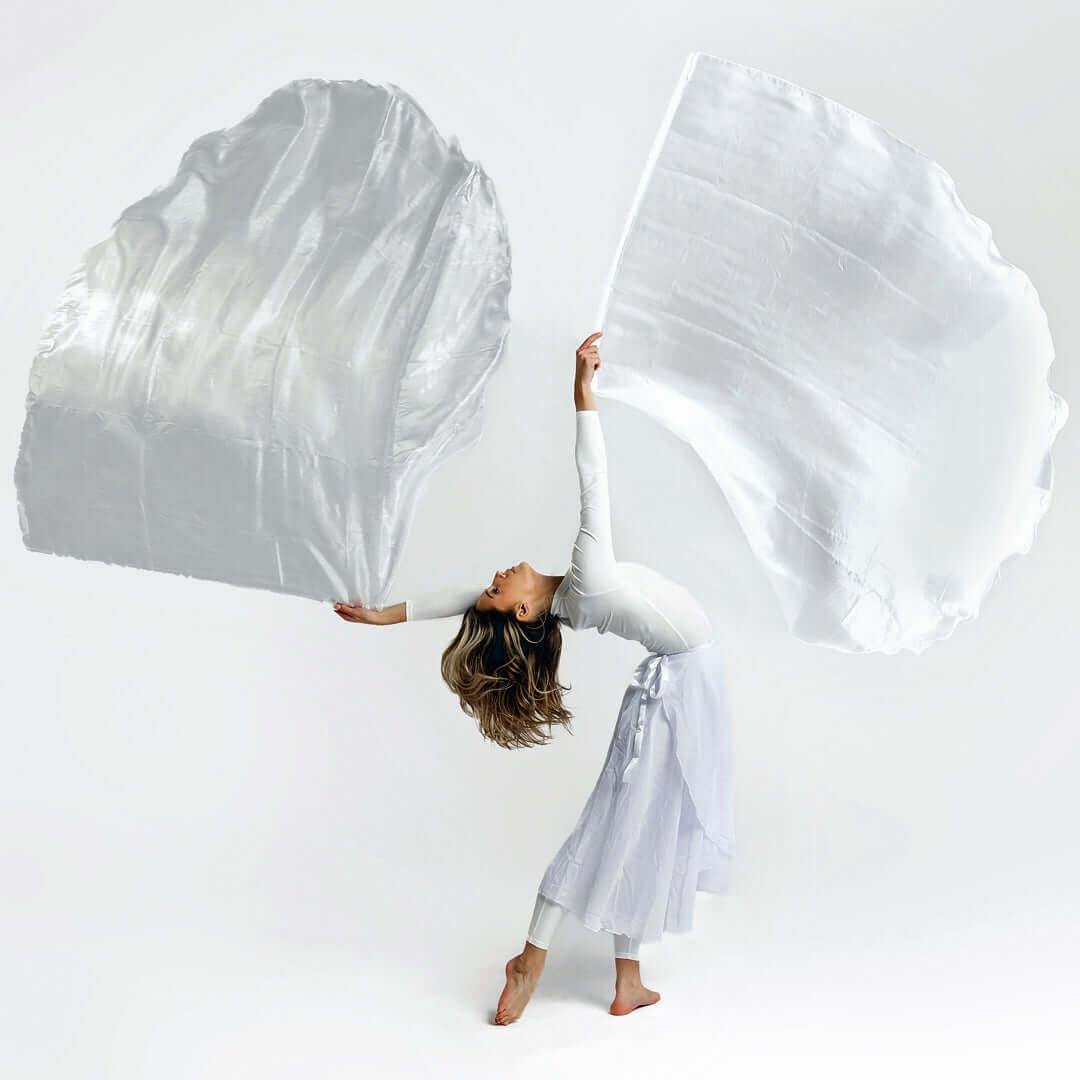
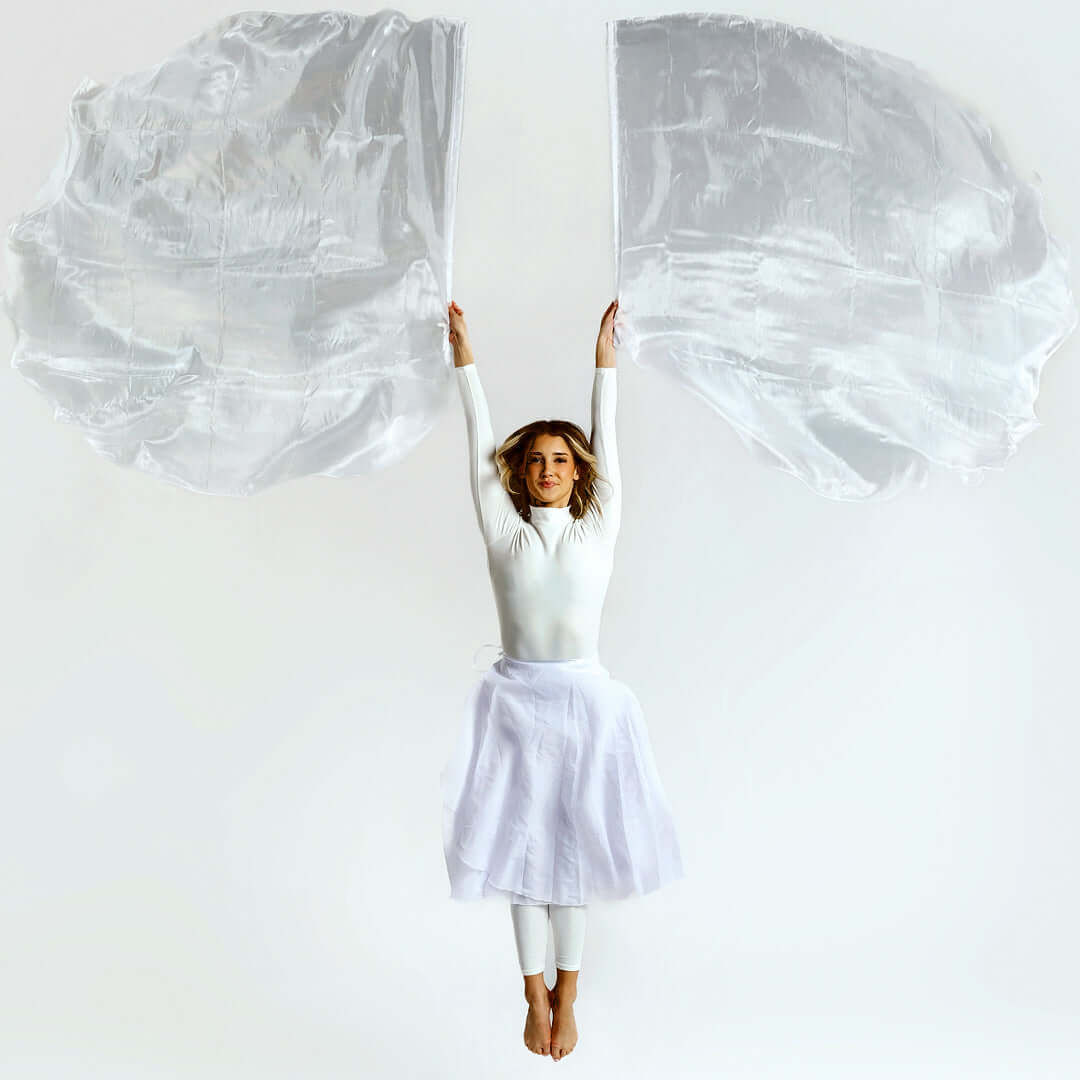
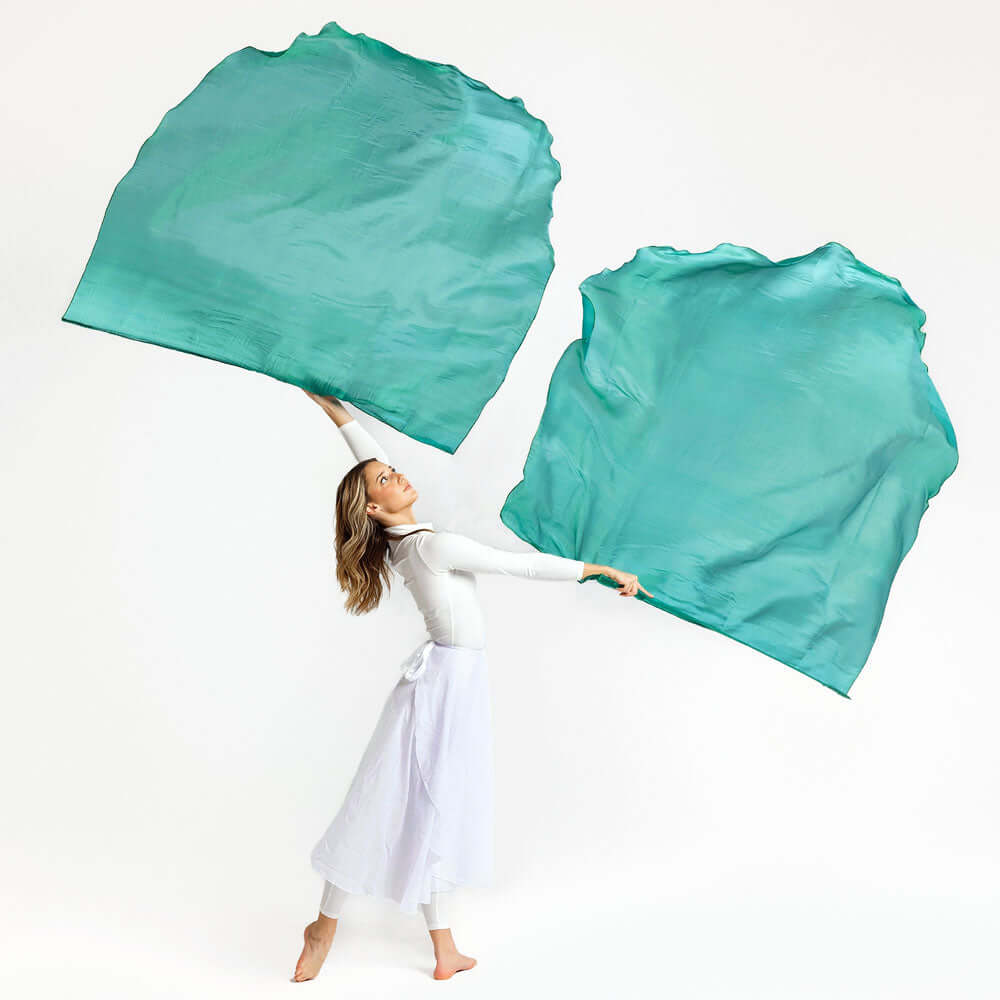
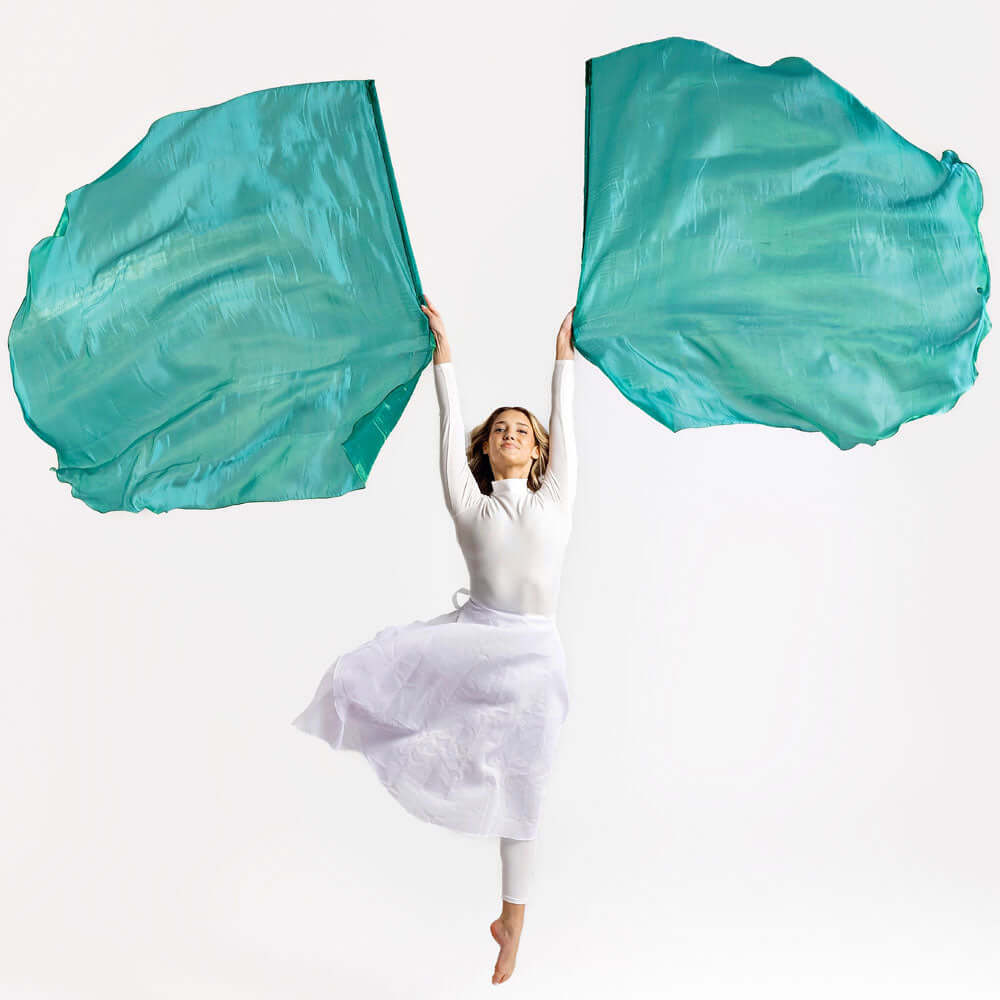
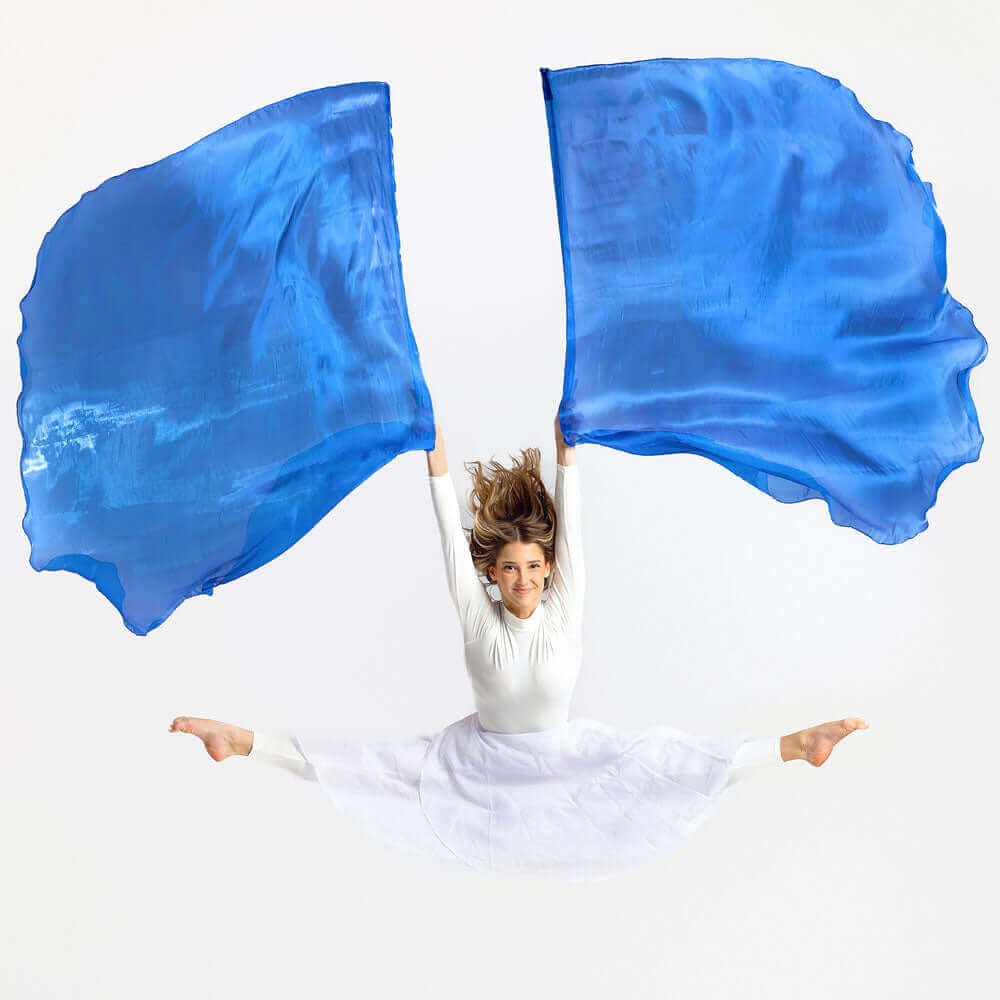
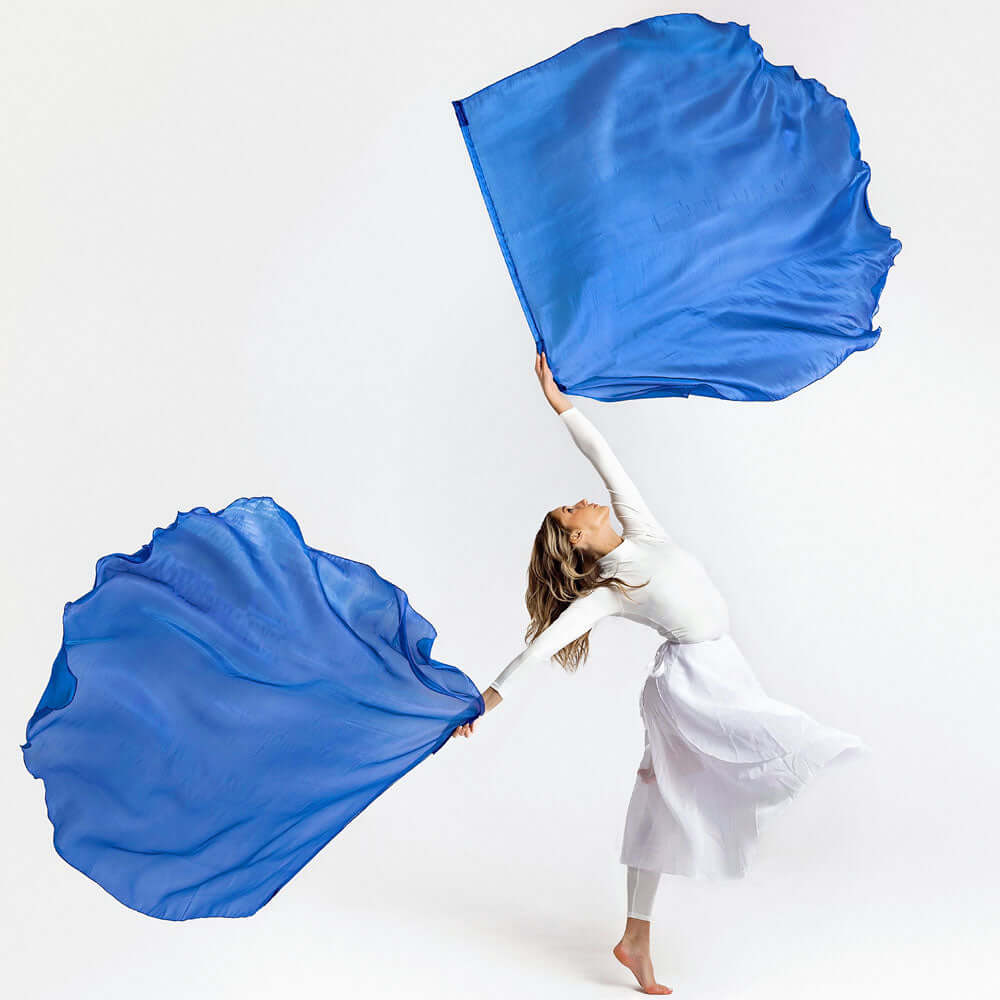
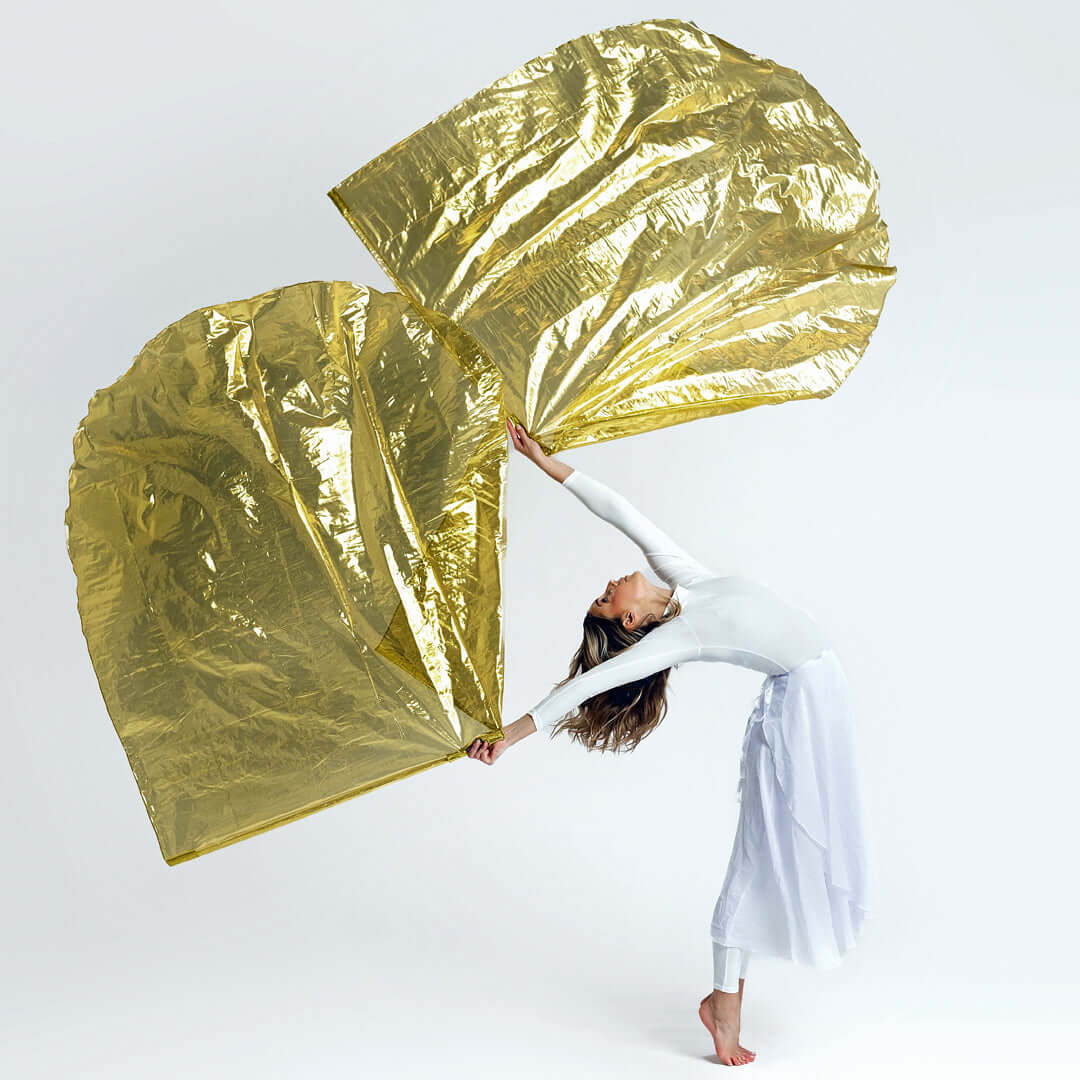
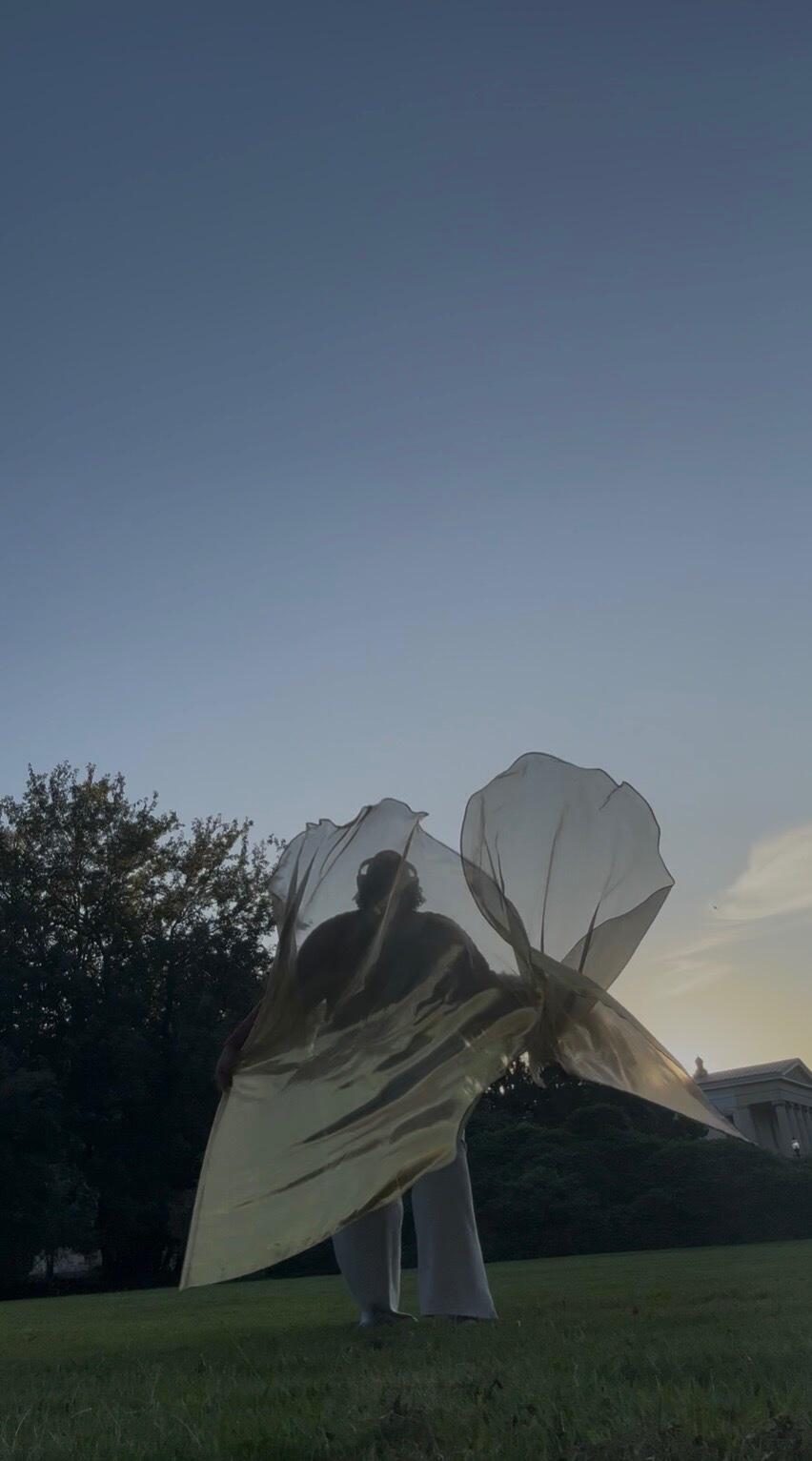
Worship flags for church are handheld flags, usually used in pairs, that a worshipper moves during praise and worship. They're made of lightweight fabric like shimmer, metallic or sheer organza, attached to a pole, and designed to flow with the music.
A worship flag is a prophetic tool, not a decoration to coordinate with the decor. Color and movement speak when words aren't enough, and a flag lifted in the sanctuary is a visible declaration of who God is.
A few terms help here.
- Personal worship is a worshipper's own response to God, whether at home or in a pew.
- Corporate worship is the whole congregation worshipping together.
- A flagging minister is a worshipper who uses flags to serve God and the people around them, often as part of a worship or dance team.
In church, flags move from personal worship into corporate worship. The same flag, the same heart but now the worshipper is part of something bigger than one person's encounter with God.
The Biblical Foundation: Everything for Building Up
Paul gave the church in Corinth a simple standard for what happens when believers gather:
What then, brothers? When you come together, each one has a hymn, a lesson, a revelation, a tongue, or an interpretation. Let all things be done for building up.
~1 Corinthians 14:26
Every gift brought into the room is meant to strengthen the people in it. The hymn, the lesson and the revelation all point to what they do for the body.
Worship flags belong under the same standard. A flag in church exists so God is seen, and so the congregation is stirred toward Him.
Scripture connects banners with His name and victory. Moses raised an altar and named it The LORD Is My Banner after the victory over Amalek (Exodus 17:15). David danced before the Lord with all his might as the ark came into Jerusalem (2 Samuel 6:14). Psalm 20 celebrates God's salvation with banners raised in His name:
May we shout for joy over your salvation, and in the name of our God set up our banners! ~Psalm 20:5
Paul also wrote that worship should be done decently and in order (1 Corinthians 14:40). Order gives every gift in the room space to function, including worship flags.
How a Worshipper Uses Flags in a Church Service
A worshipper using flags in church starts with the same posture as everyone else in the room: eyes on Jesus. The flags simply give the body a way to say what the heart is already saying.
Follow the worship leader. The worship leader sets the direction for the room. When the song is a quiet, intimate one, the flags slow down.
When the room breaks into celebration, the flags can open up. A flagging minister who follows the flow strengthens what God is already doing in the service.
Use a worship flag with purpose. Movement in church is intentional. A flag lifted high can declare God's victory.
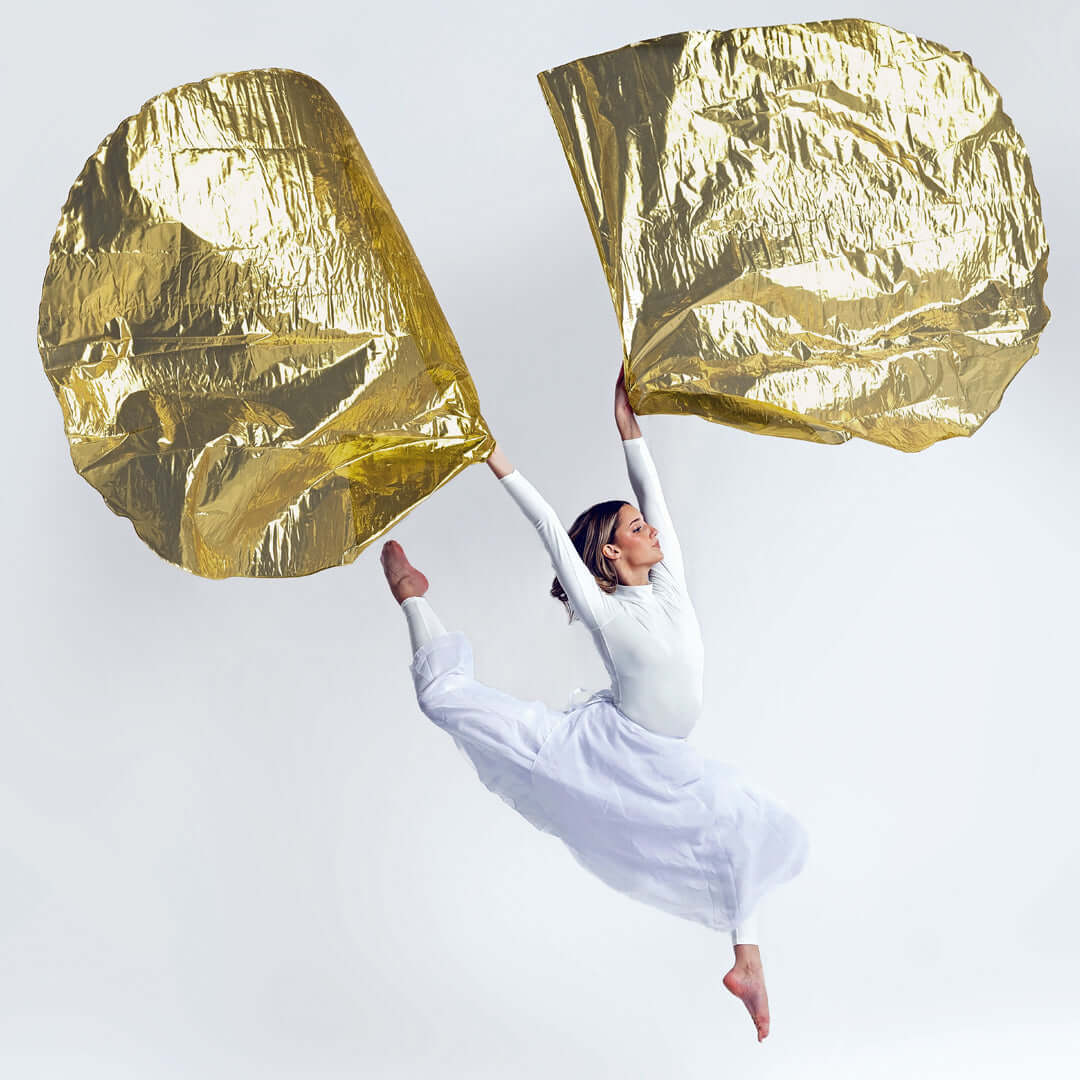
A slow, sweeping movement can express surrender. Each color makes a statement too, so a gold flag lifted during a song about His glory becomes a prophetic declaration over the atmosphere of the room.
Stay aware of the people nearby. A flag that's beautiful in a living room can clip someone's shoulder in a crowded row. A wise flagging minister chooses a spot with room to move, keeps the fabric clear of faces, and lowers the flags when someone walks past.
Know when to rest. There are moments in a service when the flags should come down. During a sermon, or whenever leadership asks for stillness, a worshipper can hold the flags still or set them aside.
During prayer or an altar call, the flags follow Holy Spirit's leading and the direction of leadership. Stillness is part of worship too.
Some worshippers use flags in church every Sunday. Others bring them only when Holy Spirit stirs them to. Both are fine. The question is always the same: does this help the room behold Him?
How Worship Teams Use Flags Together
When a church has several flagging ministers, a worship team creates unity. Instead of three people doing three different things, the team moves as one body, and the room sees a single declaration rather than scattered motion.
Pray together before the service. The strongest flag teams meet before worship to pray, ask Holy Spirit for direction and listen for what God wants to say through color and movement on the day. Prayer helps a team listen and serve together.
Plan with the worship leader. A short conversation about the set list goes a long way. Knowing which songs are celebration, which are intimate and which lead into prayer helps the team choose flags and placement ahead of time.
Coordinate colors and declarations. A team might choose red and white for a song about the blood of Jesus, or gold and purple for a song about His kingship. When the colors match the message, the flags become a visual sermon that reinforces every word being sung.
Make room for the prophetic. Planning doesn't replace sensitivity. A flagging minister may sense Holy Spirit leading a different movement or a different flag in the middle of a song. A healthy team creates space for this while staying in step with leadership.
Train together. Basic grip, safe spacing and a few shared movements give a team confidence. Catch the Fire Worship Flags created Worship Flag Foundations (Level 1 Training) to help teams learn the foundations side by side.
The members of Christ's body have different gifts and functions (Romans 12:4-6). One team member may move with bold, declarative strength, while another moves with tender intimacy. A good team honors those differences and lets each one serve the whole.
Where Worship Flags Belong in the Sanctuary
Placement shapes how worship flags serve the room. A flag at the front of the sanctuary leads the congregation's eyes upward. A worship flag at the back or along the sides supports worship without drawing attention to the platform.
There isn't one right answer for every church. The size of the sanctuary, the ceiling height, the aisle width and the culture of the congregation all matter. Leadership has the final word, and a flag team that honors their decision earns trust quickly.
For a deeper look at placement, read Should Worship Flags Be at the Front or the Back? It walks through the biblical and practical side of where flags lead best.
Choosing Worship Flags for Church
Worship flags used in a sanctuary need to be seen from a distance, move well in a shared space and hold up to weekly use. The flags need enough space for their full movement without crowding a row or aisle.
Multi-layer flags add visual depth to corporate worship as their layers move together. Colors are like words, and a multi-layer flag is a complete prophetic sentence. Beautiful Offering worship flags are a two-layer design inspired by the costly perfume poured out at the feet of Jesus. In a church service, they declare extravagant, wholehearted devotion.
For teams, it helps to start with a few versatile colors that fit many songs, then add flags for specific declarations over time. The Best Sellers collection is a good place to explore popular designs for a team's declarations.
Every Catch the Fire Worship Flags flag begins in worship. Each one is designed in prayer, prayed over during sewing and prayed over again before it ships. Poles come installed, so a flag is ready for the next service the day it arrives.
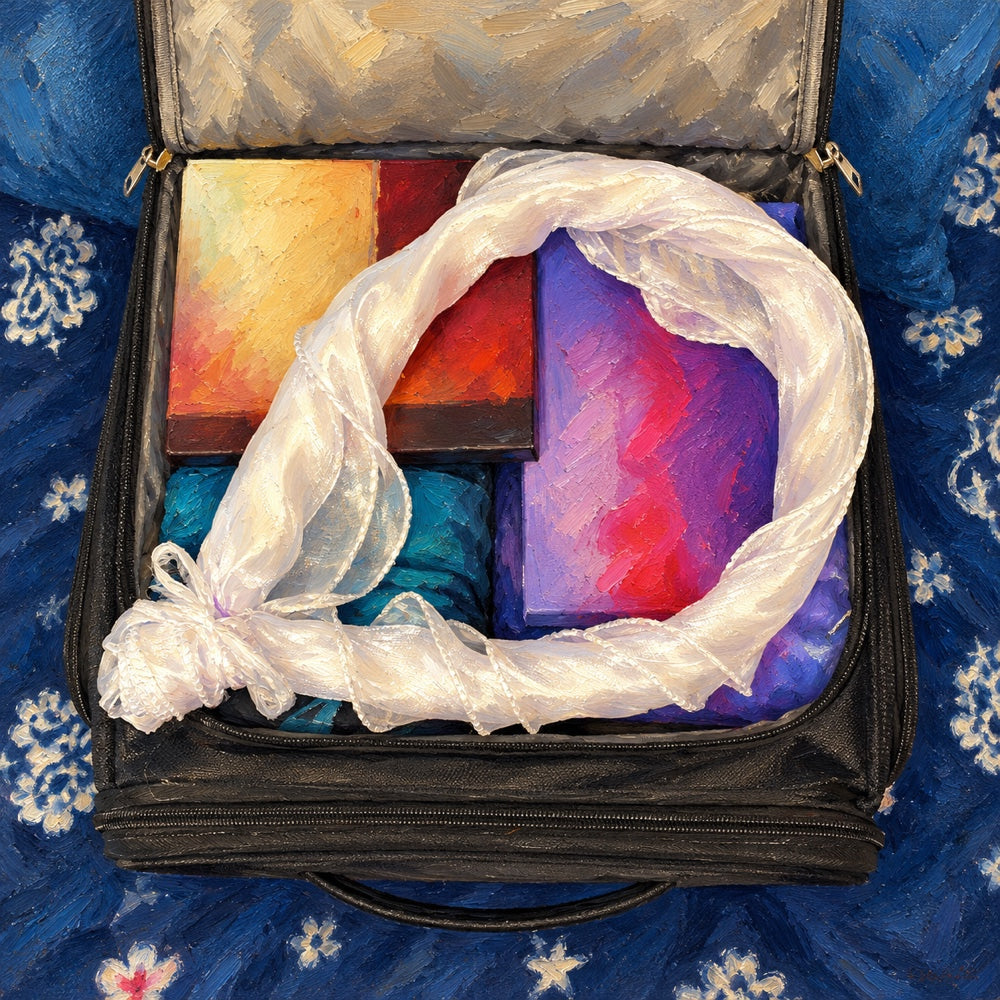
Flags used every Sunday also need a safe place between services. A worship flag storage bag keeps the flags together and covered between services.
When Leadership Has Questions
Not every pastor is familiar with worship flags. Some have questions about Scripture, safety or distraction. These are fair questions, and they deserve patient, honest answers.
Leaders are responsible for the people in their care (Hebrews 13:17). A worshipper who approaches leadership with humility, Scripture and a willingness to follow their direction usually finds the conversation goes far better than expected.
Offer to meet, share the biblical foundation, and suggest a simple starting point, like using flags in one service or from one area of the room. Trust grows when leaders see flags serving worship rather than competing with it.
For practical wording and next steps, read What to Say to a Pastor About Worship Flags. And if the answer for now is no, What To Do When Worship Flags Aren't Allowed in Church offers a biblical way forward.
The goal of a flag in the sanctuary is the house of God filled with His praise, and every worshipper free to bring a whole heart to Him.
Ready to equip yourself or your team for worship in church? Take 10% off your first order as our gift.
FAQ
Can I bring my own worship flags to church?
Yes, when leadership has approved flags in the service. Ask a pastor or worship leader first, find out where flags are welcome, and start there. A short conversation up front protects relationships and gives the flags a healthy place in the church's worship.
What should a flag do during a slow, intimate song?
Slow down with the song. Gentle, sweeping movements or simply holding the flags lifted and still can express surrender and adoration. The flags follow the heart of the worship, not the other way around.
How do I start a worship flag team at my church?
Begin with leadership's blessing and a small group of worshippers who are already using flags. Meet to pray, learn a few shared movements, and plan with the worship leader before each service. Training together, like the Level 1 Foundations course, helps a new team grow in confidence quickly.
Which worship flags are best for a large sanctuary?
High-contrast colors can help worship flags remain visible across a large room. Multi-layer flags add visual depth as the fabric moves. Check how the chosen colors appear under the sanctuary's own lighting before the service.
What if someone in the congregation finds flags distracting?
Listen well and talk with leadership. Small adjustments often help, like moving to an approved side area, using smaller movements or resting the flags when leadership requests it. Over time, many congregations come to see flags as part of how their church worships.
Do worship flags need to match the song?
They don't have to, but matching color to the message makes the declaration clearer. A flag that echoes what's being sung reinforces the truth for everyone in the room. Holy Spirit may also lead a worshipper to lift a color that speaks to what God is doing in the atmosphere beyond the lyrics.
If you're still deciding on the right flag for your space, What Size Worship Flag Should You Buy? walks through room size, height and pole choice.
Catch the Fire Worship Flags is a global pioneer in prophetic flag worship, empowering flagging ministers around the world with handcrafted flags, biblical teaching, and Spirit-led tools for personal worship. Founded in 2011, we remain the original online resource for worship flags that shift atmospheres and deepen intimacy with God. We offer a wide selection of handcrafted worship dance flags for those who are called to flag... whether through prophetic movement, personal worship, or dance ministry. Our premium collection includes sheer, shimmer, metallic, and multi-layer flags designed for church services, street ministry, stage choreography, and dance performance. If you feel called to flag and are drawn to worship through movement, you're in the right place.